Welcome to Guangzhou
Guangzhou, the vibrant capital of Guangdong Province, is a sprawling metropolis where ancient history and futuristic ambition collide. Often called the 'Southern Gateway to China,' this city of over 15 million is a powerhouse of commerce, culture, and culinary excellence. Its skyline, punctuated by the iconic, twisting form of the Canton Tower, tells a story of relentless growth, while its ancient temples and winding old-town alleys whisper tales of its 2,200-year history as a pivotal port on the Maritime Silk Road. As a first-tier city and host of the famed Canton Fair, Guangzhou welcomes a constant stream of international visitors, a fact reflected in its vast and varied accommodation options. With over 3,731 hotels ranging from luxurious high-rises to charming boutique guesthouses, finding a comfortable base for your 5 to 7-day exploration is effortless, with an average nightly rate offering remarkable value. From the thrilling Chimelong Tourist Resort to the serene peaks of Baiyun Mountain, Guangzhou is a city of exhilarating contrasts waiting to be discovered.
Overview
Guangzhou's history is deeply intertwined with global trade. For centuries, it was China's primary port for foreign merchants, a legacy visible in the European architecture of Shamian Island and the enduring influence of its massive biannual Canton Fair. Culturally, it is the heart of Cantonese (Yue) culture, renowned for its language, opera, and, most famously, its cuisine. The city is administratively divided into eleven districts, each with its own character. Yuexiu District is the historical and political center, home to Yuexiu Park and relics of the past. Tianhe District is the modern CBD, a forest of skyscrapers and high-end malls. Liwan District retains traditional charm with its markets and Xiguan mansions, while Haizhu District, with the Canton Tower and Guangzhou Opera House, represents the city's bold, artistic future. Panyu District is where you'll find the massive Chimelong resort complex. Guangzhou is famous as a culinary capital, a shopping paradise, and a city that seamlessly blends its rich Lingnan cultural heritage with breathtaking modernity.
🗓️ Best Time to Visit
The best times to visit Guangzhou are during the autumn (October to early December) and spring (March to April). Autumn offers clear, sunny skies, comfortable temperatures, and low humidity, making it ideal for extensive sightseeing. Spring is pleasant but can be rainy. The major event during these periods is the Canton Fair, held in April-May and October-November, which causes hotel prices to spike and requires advanced booking. Summer (May-September) is hot, humid, and prone to heavy rainfall and occasional typhoons, though it's peak season for the Chimelong water parks. Winter (January-February) is mild and dry but can be chilly, especially indoors. The Lunar New Year (January/February) is a fascinating but very busy time to experience local traditions, though many businesses close. For the best balance of weather and manageable crowds, target late October, November, or March.
🌤️ Weather & Climate
Guangzhou has a humid subtropical climate characterized by long, hot, and rainy summers, and short, mild, and relatively dry winters. High humidity is a constant feature throughout much of the year.
Seasons
Spring
💨 Humidity: high
Warming up with increasing rainfall. Pleasant but can be humid and showery.
Summer
💨 Humidity: very high
Hot, humid, and wet. Frequent afternoon thunderstorms and risk of typhoons.
Autumn
💨 Humidity: moderate
The most pleasant season. Warm, sunny days with lower humidity and little rain.
Winter
💨 Humidity: moderate
Mild and dry, but can feel chilly due to indoor lack of heating. Rarely drops below freezing.
Monthly Weather Details
January Weather
Best for: sightseeing, cultural visits
February Weather
Best for: Lunar New Year festivities
March Weather
Best for: park visits, early spring exploration
April Weather
Best for: Canton Fair (business), indoor/outdoor mix
May Weather
Best for: indoor activities, early summer visits
June Weather
Best for: water parks, indoor attractions
July Weather
Best for: water parks, evening activities
August Weather
Best for: water parks, mall shopping
September Weather
Best for: late summer outings, indoor sights
October Weather
Best for: ideal sightseeing, outdoor exploration
November Weather
Best for: perfect sightseeing, hiking
December Weather
Best for: sightseeing, cultural visits
🎒 What to Pack
All Year Round
- Umbrella or raincoat
- Comfortable walking shoes
- Power adapter
- Reusable water bottle
🚗 Getting Around
Guangzhou boasts an excellent and affordable public transportation system. The extensive metro network is the most efficient way to travel, covering most tourist areas, with fares starting around 2-4 RMB. Buses are ubiquitous and cheaper but can be challenging without Mandarin. Taxis are plentiful and reasonably priced; ensure the meter is used. Ride-hailing apps like Didi are widely used and convenient. For short distances in areas like Zhujiang New Town or along the Pearl River, shared bikes (Mobike, HelloBike) are a popular option. The city is vast, so walking is best confined to specific districts. For airport transfers, the metro Line 3 connects directly to Baiyun International Airport (CAN) in about 45 minutes. Airport buses and taxis are also available. A Yang Cheng Tong transit card is highly recommended for seamless travel on metro, buses, and ferries.
🎯 Top Attractions
Chimelong Water Park
Large water park with thrilling slides and family-friendly attractions.
Chimelong Bird Park
Large aviary showcasing a diverse collection of bird species.
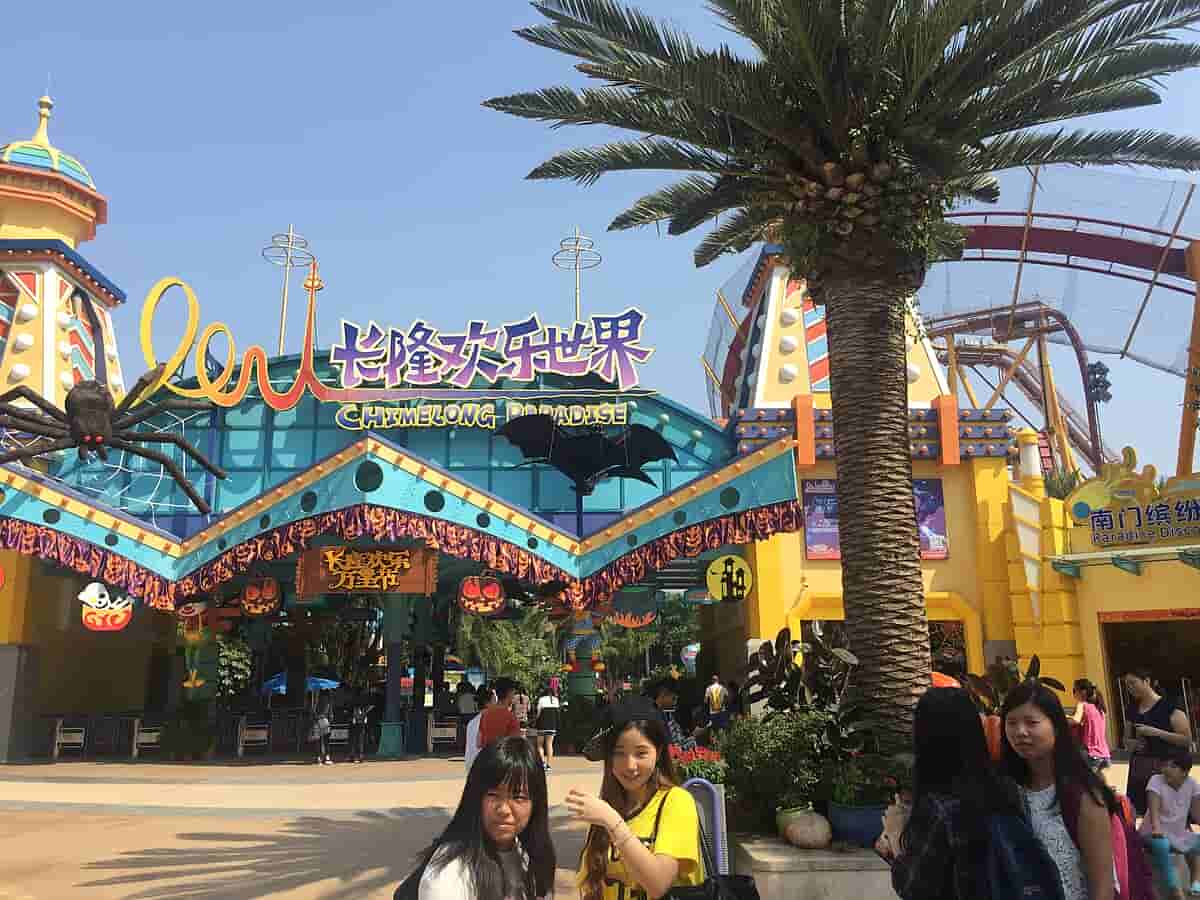
Chimelong Paradise
A large theme park with thrilling roller coasters, water rides, and live entertainment.
Chimelong Tourist Resort
A large entertainment complex featuring amusement parks, a safari park, and a water park.
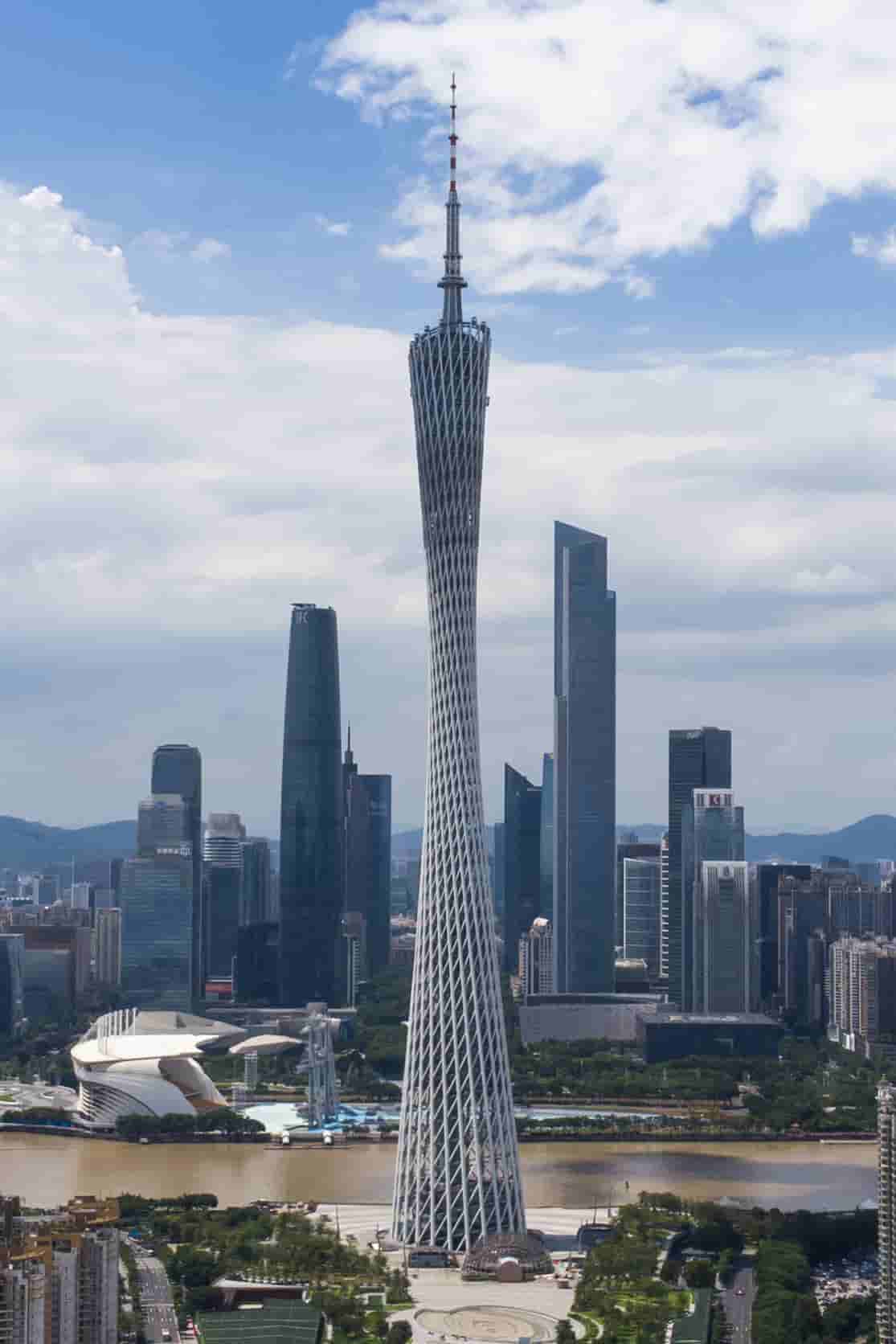
Canton Tower
The iconic landmark of Guangzhou, offering breathtaking views of the city from its observation deck and rotating restaurant.
Baiyun Mountain
A popular mountain park known as the 'lung of Guangzhou,' offering hiking, cable cars, and city views.
Chimelong Safari Park
A vast wildlife park offering a chance to see rare and endangered species up close, with safari tours and animal shows.
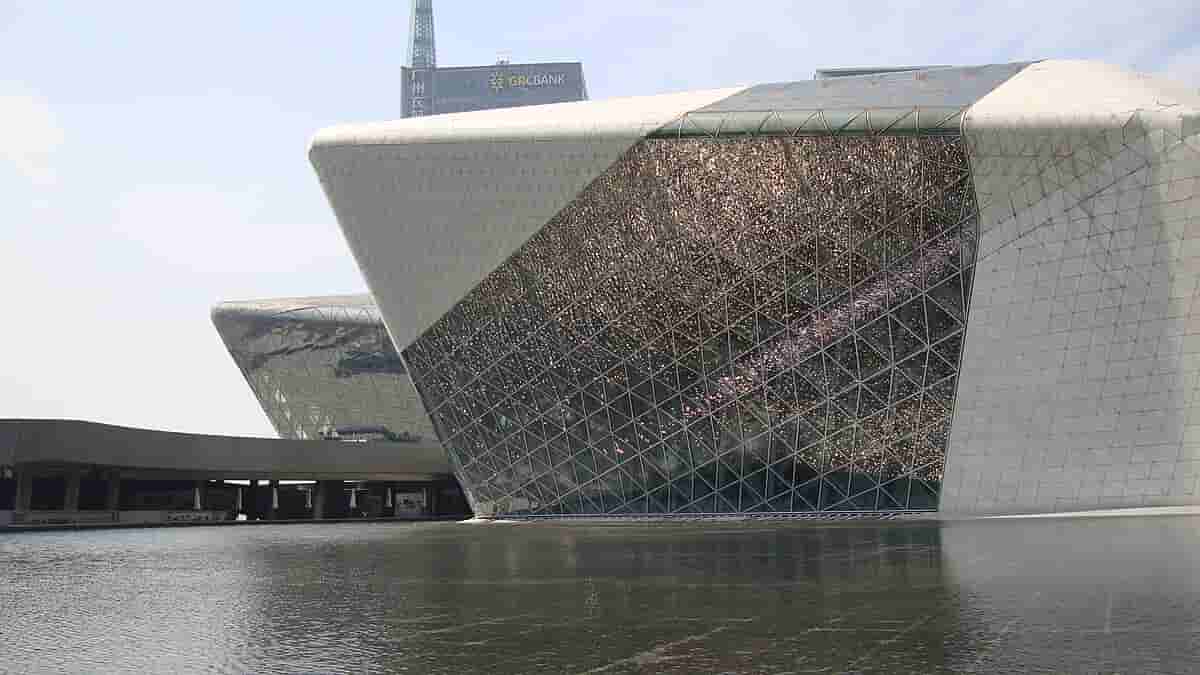
Guangzhou Opera House
Marvel at the striking modern architecture and catch a performance of classical music, opera, or ballet at this renowned cultural landmark.
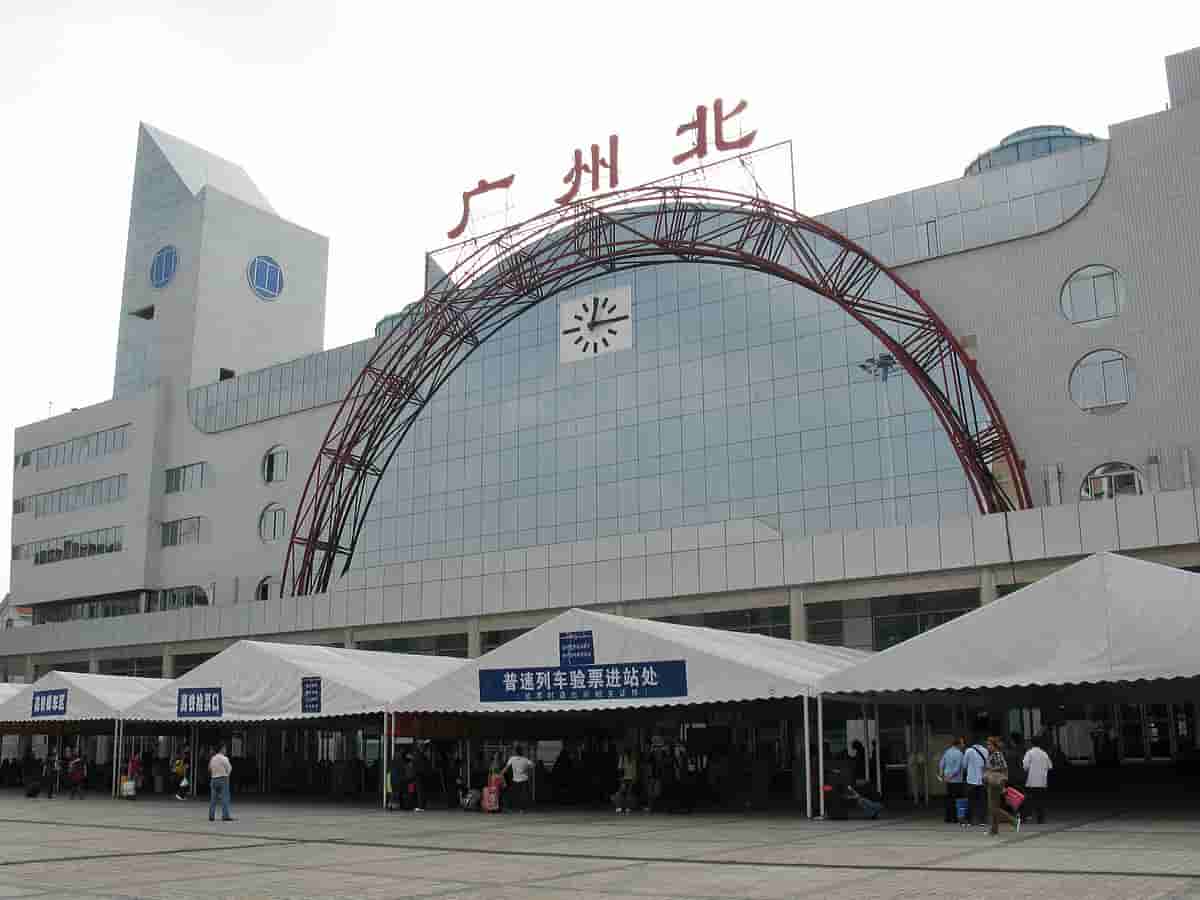
Guangzhou North Railway Station
A major railway station handling high-speed and conventional trains to northern destinations.
Yuexiu Park
Explore this vast urban green space, home to scenic lakes, historic landmarks, and the iconic Zhenhai Tower, offering panoramic views of Guangzhou.
Chenjiaci Ancestral Temple
Historic temple complex with cultural exhibits and events
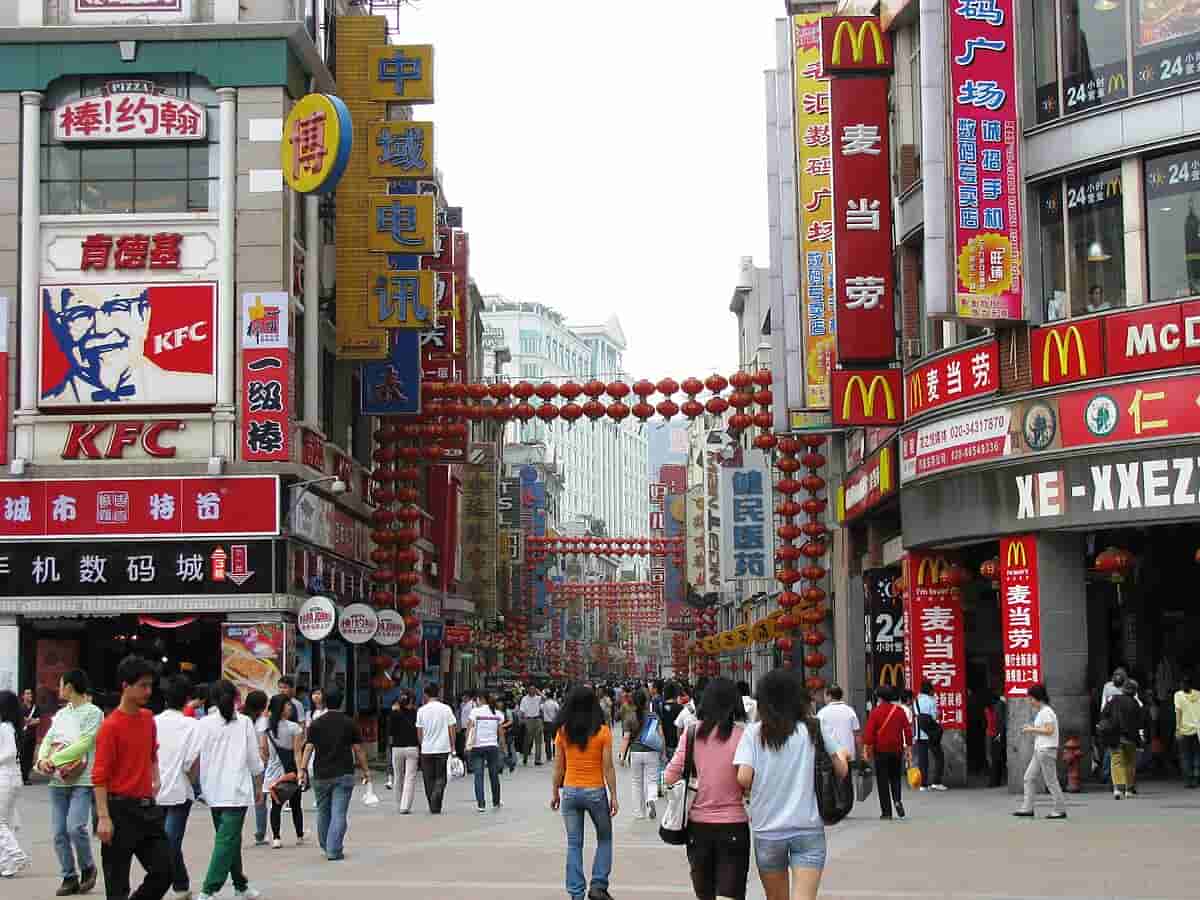
Shangxiajiu Pedestrian Street
A vibrant shopping street famous for its traditional Qilou buildings and endless variety of shops and snacks.
🏘️ Neighborhoods
Yuexiu
The historical and administrative heart of Guangzhou, home to Yuexiu Park, the Sun Yat-sen Memorial Hall, and the old city wall remnants.
Tianhe
The modern Central Business District, a forest of skyscrapers, luxury malls, and the Guangdong Museum. Vibrant and fast-paced.
Liwan
Retains old Guangzhou charm with traditional Xiguan houses, the bustling Shangxiajiu Pedestrian Street, and historic temples.
Haizhu
Centered on the iconic Canton Tower and Guangzhou Opera House. A modern arts and entertainment hub on Pazhou Island.
Panyu
A southern district known for the massive Chimelong Tourist Resort complex (safari, parks) and university campuses.
Baiyun
Named after Baiyun Mountain, offering scenic escapes, hot springs, and a more suburban, relaxed atmosphere.
Shamian Island
A tiny, tranquil sandbar in the Liwan District, featuring colonial European architecture and tree-lined, vehicle-free lanes.
🍽️ Local Cuisine
Guangzhou is the global epicenter of Cantonese cuisine, celebrated for its delicate flavors, fresh ingredients, and exquisite dim sum. Must-try signature dishes include Roast Suckling Pig, White Cut Chicken, Char Siu (barbecued pork), and Steamed Fish. The quintessential Guangzhou experience is 'yum cha' (drinking tea), a brunch tradition centered around baskets of har gow (shrimp dumplings), siu mai, and char siu bao. For the adventurous, snake soup and claypot rice are local specialties. Popular food areas span from the upscale restaurants of Tianhe to the bustling night food streets like Shangxiajiu Pedestrian Street and Baohua Road. Noodle shops and congee stalls are everywhere. Price ranges are vast: from 30 RMB for a satisfying bowl of wonton noodles to hundreds for a banquet. Dining etiquette is generally relaxed, but it's polite to serve tea to others first and tap the table twice in thanks. Let the host order at formal meals.
💡 Local Tips
🚗 Day Trip Ideas
Foshan
Birthplace of Cantonese opera and legendary martial artist Bruce Lee's ancestors. Visit the Ancestral Temple and ancient Nanfeng Kiln.
Shenzhen
Ultra-modern megacity and tech hub adjacent to Hong Kong. Explore theme parks like Window of the World or the creative OCT-LOFT area.
Kaiping Diaolou
UNESCO World Heritage site featuring unique fortified multi-story towers built by overseas Chinese in the early 20th century.
Conghua Hot Springs
Relax in one of the many natural hot spring resorts nestled in the lush, green hills north of Guangzhou.
Zhuhai & Macau
Visit the coastal city of Zhuhai and cross the border to the vibrant gambling and Portuguese-influenced enclave of Macau.
🛡️ Safety Tips
Guangzhou is generally a very safe city for travelers, with low violent crime rates. Standard urban precautions apply: be aware of your belongings in crowded areas like markets, metro stations, and tourist sites to guard against pickpockets. Common scams include overcharging in unofficial taxis, 'tea ceremony' scams where you're lured into a bar and presented with an exorbitant bill, and fake electronics or luxury goods. Be cautious in very crowded commercial areas. Traffic can be chaotic, so exercise extreme care when crossing streets. Tap water is not drinkable; use bottled or boiled water. Emergency numbers are: Police 110, Fire 119, Ambulance 120. For health, ensure routine vaccinations are up-to-date and consider travel insurance. Air quality can be poor; sensitive travelers may want a mask.
💰 Budget Guide
Guangzhou offers excellent value. A budget traveler can manage on 250-400 RMB per day: stay in hostels or budget hotels (150-250 RMB), eat at local noodle shops and street food (50-100 RMB), use public transport (20 RMB), and visit free parks and temples. Mid-range travelers (600-1000 RMB/day) can enjoy comfortable 3-4 star hotels (350-600 RMB), dine well at local restaurants (100-200 RMB), take occasional taxis, and visit paid attractions like Canton Tower. A luxury budget (1500+ RMB/day) covers 5-star hotels, fine dining, private tours, and premium experiences. Money-saving tips: purchase a transit card, visit free attractions like Yuexiu Park and Shamian Island, eat where locals eat away from tourist hubs, and avoid visiting during the Canton Fair when prices double. Many museums offer free entry.