Welcome to Birmingham
Birmingham, the vibrant heart of England's West Midlands, is a city that constantly reinvents itself while proudly wearing its industrial heritage on its sleeve. Often dubbed the 'Second City' or the 'Workshop of the World', Birmingham is a dynamic metropolis of canals, culture, and cutting-edge architecture, all wrapped in a famously warm and welcoming Brummie spirit. Located in the county of Solihull, it's a major UK hub easily accessible via its international airport and extensive rail links. Forget any outdated notions; modern Birmingham is a feast for the senses, from the gleaming curves of the Bullring shopping centre to the historic Jewellery Quarter's workshops and the serene waterways that outnumber Venice. With a staggering 287 hotels catering to every taste and budget, finding a comfortable base to explore this city of contrasts is effortless. Whether you're here for world-class museums, legendary shopping, a thriving food scene that gave the world the Balti, or as a gateway to historic castles, Birmingham promises a rich and surprising urban adventure.
Overview
Birmingham's story is one of relentless innovation. From its roots as a medieval market town, it exploded during the 18th-century Industrial Revolution, becoming a global manufacturing powerhouse known for metalworking, steam engines, and pen nibs. This legacy is etched into its very fabric: over 100 miles of canals once used for transport now provide picturesque walking routes. Culturally, Birmingham is incredibly diverse, which is reflected in its vibrant arts scene, from the prestigious City of Birmingham Symphony Orchestra to the street art of Digbeth. The city is famous for several key things: its industrial history and museums like the Thinktank; the invention of the Balti curry, creating a 'Balti Triangle' of acclaimed restaurants; being the home of Cadbury chocolate at nearby Bournville; and its status as a premier shopping destination with the Bullring & Grand Central complex. Key districts include the bustling commercial core around New Street, the creative and alternative Digbeth, the historic Jewellery Quarter, the upmarket Chinese Quarter and Gay Village, and the peaceful canal-side areas at Brindleyplace.
🗓️ Best Time to Visit
The best time to visit Birmingham is during the late spring (May-June) and early autumn (September-October) when the weather is generally mild and pleasant, ideal for exploring parks and canals. Summer (July-August) is peak tourist season, with warmer temperatures and longer days, but also larger crowds and higher accommodation prices; it's when major outdoor events and festivals are in full swing. Winter (November-February) is the off-peak season, colder and darker, but it offers the magical Frankfurt Christmas Market (one of the largest outside Germany) from November to December, and lower travel costs. Spring sees the city bloom and hosts events like the Birmingham International Jazz Festival. Rainfall is possible year-round, so packing a layer is always wise. For a balance of good weather and manageable crowds, the shoulder months are highly recommended.
🌤️ Weather & Climate
Birmingham has a temperate maritime climate characterized by mild summers, cool winters, and precipitation distributed fairly evenly throughout the year. It is not known for extreme temperatures, but weather can be changeable, with the potential for rain on any given day.
Seasons
Spring
💨 Humidity: moderate
Mild and gradually warming, with increasing sunshine. Days can be unpredictable, mixing rain showers with pleasant, bright spells.
Summer
💨 Humidity: moderate
The warmest and sunniest season, but rarely hot. Long daylight hours are ideal for outdoor activities, though occasional rain is still possible.
Autumn
💨 Humidity: high
Temperatures cool steadily, bringing crisp air and beautiful fall foliage. Rainfall increases, and days become shorter and mistier.
Winter
💨 Humidity: high
Cold and damp, with short days. Frosts are common, and snow is possible but rarely heavy or long-lasting. The festive Christmas market adds cheer.
Monthly Weather Details
January Weather
Best for: indoor museums, Christmas market (early Jan)
February Weather
Best for: indoor activities, gallery visits
March Weather
Best for: early spring walks, canal exploration
April Weather
Best for: botanical gardens, city parks
May Weather
Best for: outdoor sightseeing, festivals
June Weather
Best for: canal trips, outdoor dining
July Weather
Best for: peak tourism, all attractions
August Weather
Best for: events at the NEC, summer festivals
September Weather
Best for: comfortable sightseeing, shopping
October Weather
Best for: autumn colours, indoor attractions
November Weather
Best for: Christmas market (late Nov), museums
December Weather
Best for: Christmas market, festive lights
🎒 What to Pack
All Year Round
- Umbrella or compact raincoat
- Comfortable walking shoes
- Layers (sweaters, cardigans)
🚗 Getting Around
Birmingham is well-connected and easy to navigate. The centre is compact and very walkable, especially between key attractions like the museums, Bullring, and canals. For longer distances, the integrated public transport network is excellent. The West Midlands Metro tram system connects key areas like Bullring, Grand Central, and the Jewellery Quarter to outlying districts. An extensive bus network, operated mainly by National Express West Midlands, covers the entire city; consider a day ticket for unlimited travel. Birmingham's main rail hubs are New Street (for national and local services) and Moor Street (for Chiltern Railways to London). Taxis (black cabs) are readily available, and ride-sharing apps like Uber operate widely. For cycling, the city has a growing network of cycle paths and a bike-sharing scheme. Birmingham Airport (BHX) is conveniently linked to the city centre by a frequent and fast train (Birmingham International Station) taking just 10-15 minutes, or by taxi in about 20-30 minutes depending on traffic.
🎯 Top Attractions
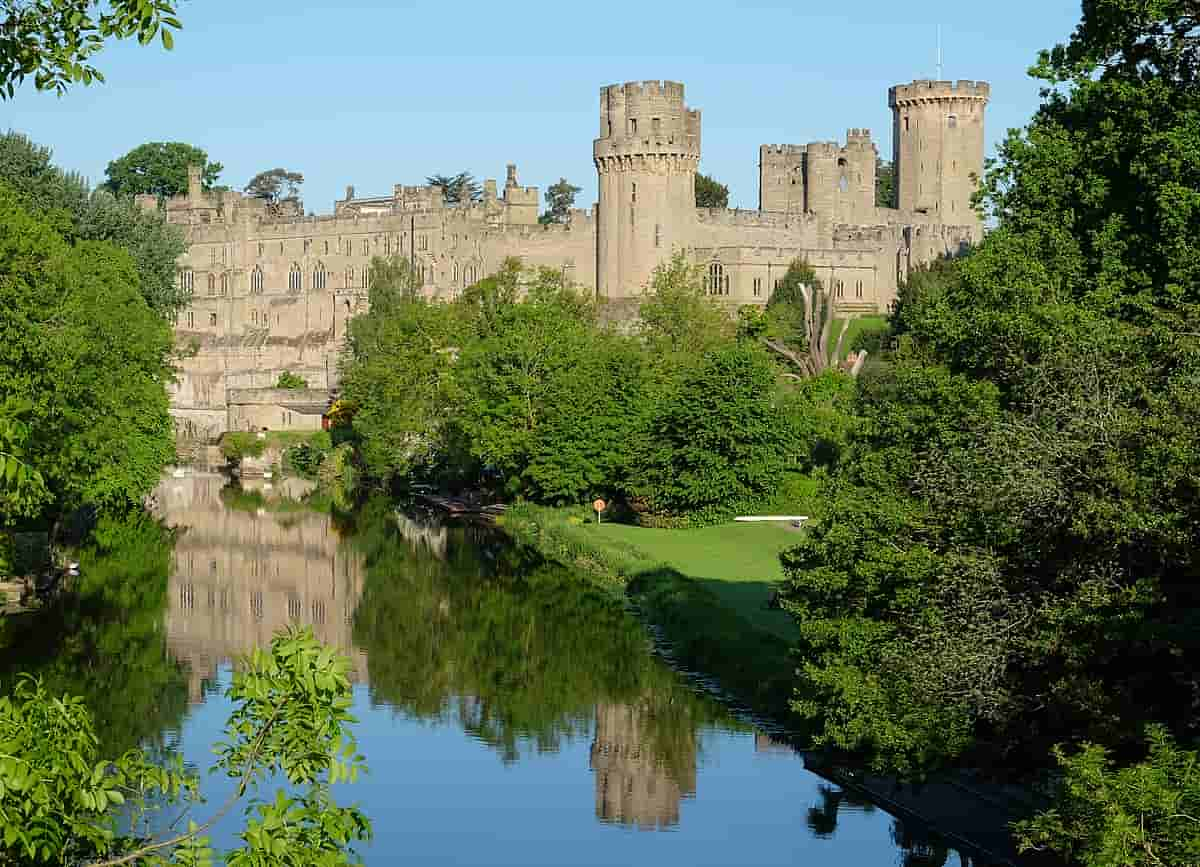
Warwick Castle
Majestic medieval castle with a rich history, offering stunning architecture, interactive exhibits, and entertaining daily events.
Birmingham NEC
One of Europe's busiest exhibition and conference centres, hosting major events and concerts year-round.
Drayton Manor Theme Park
Family-friendly park with rides and a zoo.
Cadbury World
Immersive chocolate-themed attraction with interactive exhibits, tours of the production facilities, and opportunities to sample the iconic Cadbury's treats.
Birmingham Museum & Art Gallery
World-class museum featuring impressive collections of Pre-Raphaelite art, ceramics, and metalwork, as well as temporary exhibitions.
Bullring & Grand Central
Iconic shopping destination featuring a mix of high-street and designer stores, as well as a variety of dining options.
Broad Street
Famous for its nightlife, with numerous clubs, pubs, and entertainment options.
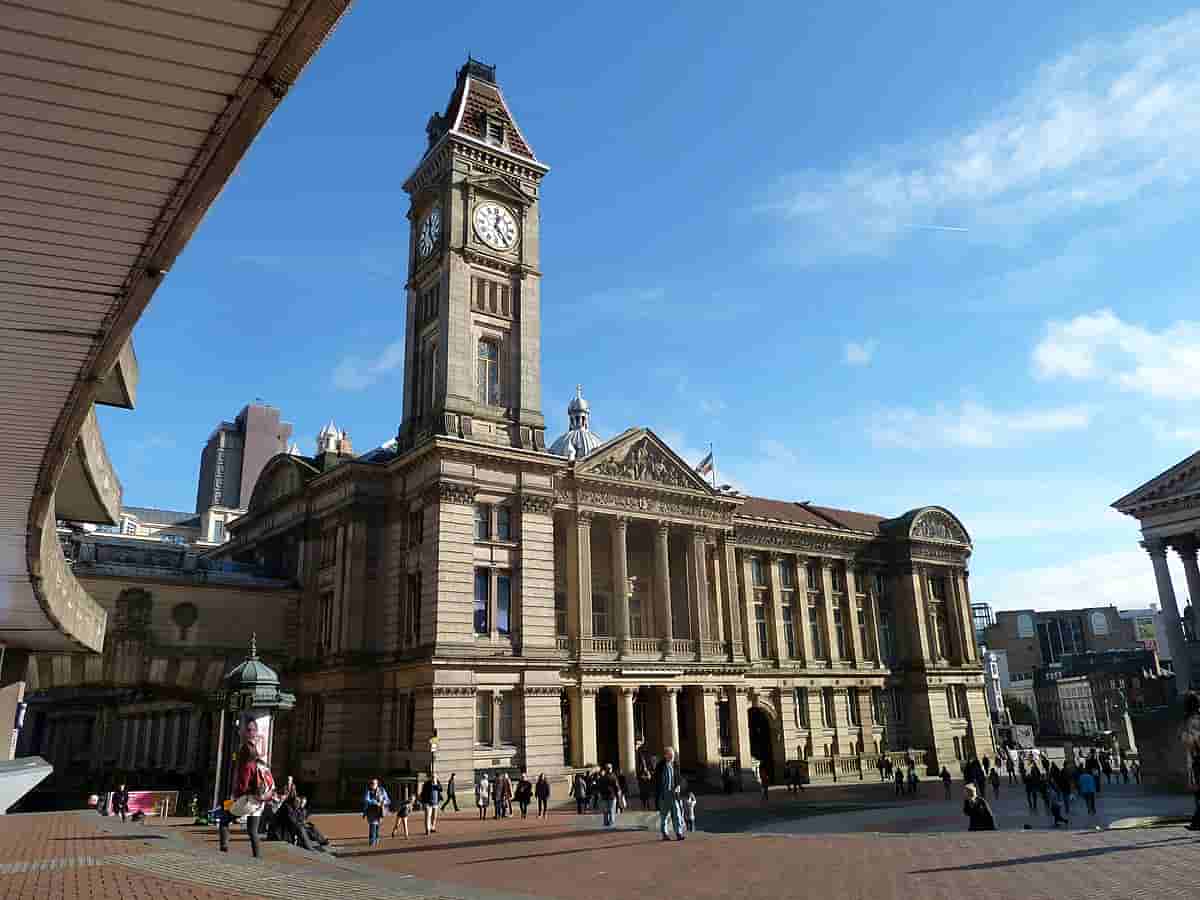
Birmingham Museum and Art Gallery
A renowned art museum housing one of the largest pre-Raphaelite collections in the world, featuring works by Dante Gabriel Rossetti and Edward Burne-Jones.
Solihull Town Centre
A bustling shopping area with high-street brands and restaurants.
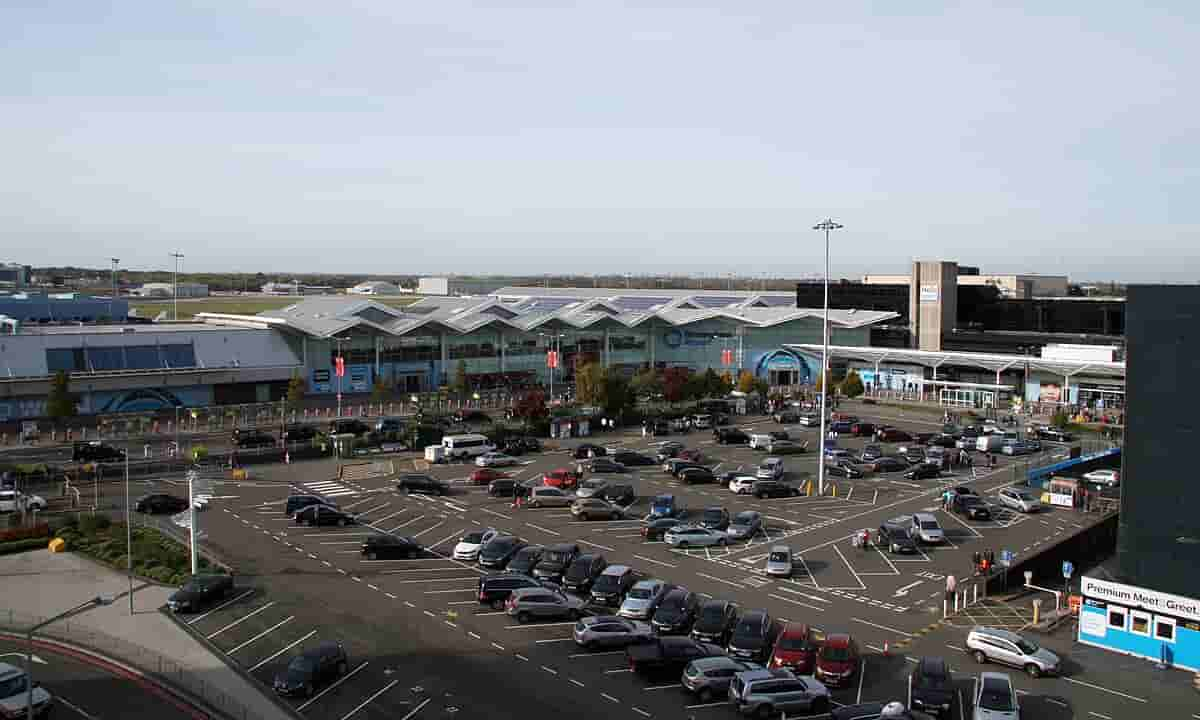
Birmingham Airport
One of the UK's busiest airports, serving as a major international hub with connections to destinations worldwide.

National Exhibition Centre
Large exhibition and conference venue hosting various events
Bullring Shopping Centre
A massive, modern shopping complex with over 200 stores, restaurants, and entertainment options.
🏘️ Neighborhoods
City Centre
The bustling commercial and retail heart, home to the Bullring, Grand Central, major museums, and New Street Station. A hub of constant activity.
Jewellery Quarter
A historic district with over 200 years of jewellery-making heritage. Cobbled streets are lined with independent workshops, boutiques, and trendy cafes.
Digbeth
The city's creative and alternative quarter, filled with street art, independent galleries, vintage stores, and popular street food markets in the Custard Factory.
Brindleyplace & Gas Street Basin
A beautifully regenerated canalside area with upscale restaurants, bars, and offices. Serene waterside walks and a sophisticated atmosphere.
Chinese Quarter
Centered around the iconic Chinese Pagoda, this vibrant area is packed with authentic restaurants, bubble tea shops, bakeries, and lively bars.
Edgbaston
A leafy, affluent suburb home to the University of Birmingham's beautiful campus, the Botanical Gardens, and the Edgbaston Cricket Ground.
Moseley & Kings Heath
Buzzing, bohemian suburbs south of the centre, known for their village-like feel, independent shops, excellent pubs, and strong community spirit.
🍽️ Local Cuisine
Birmingham's culinary scene is a proud reflection of its multicultural makeup. Its most famous export is the Balti, a type of curry cooked and served in a thin, wok-like steel dish, invented in the city's 'Balti Triangle' (specifically the Sparkbrook area) in the 1970s. A visit isn't complete without trying one. Other must-try foods include the traditional 'Brumburger' from the historic Original Patty Men, and a Cadbury chocolate treat from its Bournville home. The city has a strong tradition of high-quality Indian, Pakistani, and Bangladeshi cuisine. For a classic British experience, seek out a proper pub serving a Sunday roast. Dining culture ranges from casual Balti houses and vibrant street food markets in Digbeth to Michelin-starred fine dining. The Chinese Quarter offers fantastic dim sum and banquet options. Price ranges are broad: a budget-friendly Balti can be under £10, while a high-end meal can exceed £50 per person. Tipping around 10-12% is customary in sit-down restaurants if service isn't already included.
💡 Local Tips
🚗 Day Trip Ideas
Warwick Castle
A magnificent medieval castle with immersive shows, falconry, and beautifully kept grounds. A full day of history and entertainment.
Stratford-upon-Avon
The picturesque birthplace of William Shakespeare. Visit his homes, see a play at the Royal Shakespeare Theatre, and enjoy the charming town.
Cadbury World (Bournville)
A chocolate-lover's dream attraction exploring the history of Cadbury, with interactive exhibits, chocolate-making demonstrations, and plenty of samples.
The Cotswolds (e.g., Broadway)
Escape to the quintessential English countryside of honey-coloured stone villages, rolling hills, and quaint tea rooms.
Lichfield
A charming historic cathedral city with a stunning three-spired medieval cathedral, the birthplace of Samuel Johnson, and a quaint centre.
Ironbridge Gorge
A UNESCO World Heritage Site known as the 'Birthplace of the Industrial Revolution'. Explore museums and the world's first iron bridge.
🛡️ Safety Tips
Birmingham is generally a safe city for tourists, with standard urban precautions advised. Violent crime against visitors is rare. Be aware of pickpockets and bag-snatchers in crowded areas like the Bullring, on public transport, and during major events. Be cautious with your belongings in bars and restaurants. Common scams are limited but be wary of unsolicited approaches or 'distraction' techniques. At night, stick to well-lit, populated areas, especially around Broad Street's nightlife district where rowdiness can occur. Standard emergency numbers apply: 999 for police, fire, or ambulance. For non-emergency police matters, dial 101. The UK's National Health Service (NHS) provides healthcare; EU visitors should carry a GHIC card, and all others are strongly advised to have comprehensive travel insurance. Tap water is safe to drink.
💰 Budget Guide
Birmingham offers good value compared to London. A budget traveler can manage on £40-60 per day by staying in hostels or budget hotels (from ~£50/night), eating at markets or Balti houses, using public transport passes, and enjoying free attractions like museums and canals. A mid-range budget of £80-120 per day allows for a comfortable hotel (averaging $97.70/night), meals at decent restaurants, paid attractions like Cadbury World, and taxi rides. A luxury experience (£150+/day) includes upscale hotels, fine dining, private tours, and premium shopping. Money-saving tips: purchase a Network West Midlands bus/tram day ticket for unlimited travel; visit free museums and galleries; explore the extensive canal network on foot for free; dine in the Balti Triangle for authentic, affordable meals; and look for combined attraction tickets or city passes if planning multiple paid visits.