Welcome to Glasgow
Glasgow, Scotland's largest and most vibrant city, emerges from the banks of the River Clyde with a compelling mix of Victorian grandeur, industrial heritage, and contemporary verve. Often overshadowed by its more romanticized neighbor, Edinburgh, Glasgow confidently asserts its own identity as a powerhouse of culture, music, and unfiltered Scottish spirit. This is a city of contrasts, where the ornate architecture of its 19th-century mercantile wealth stands alongside cutting-edge modern design, and where world-class museums and galleries are fueled by a famously warm and welcoming local populace. With a rich history as a shipbuilding and industrial titan, Glasgow has reinvented itself as a dynamic hub for the arts, education, and tourism, offering an authentic urban Scottish experience. Its compact city center is packed with attractions, from the medieval Glasgow Cathedral to the stunning Kelvingrove Art Gallery, all easily accessible from its 212 hotels, which cater to every taste and budget, ensuring a comfortable base for your 3-4 day exploration of this compelling metropolis.
Overview
Glasgow's story is one of dramatic transformation. Founded on a religious settlement by St. Mungo in the 6th century, its fortunes exploded during the 18th and 19th centuries with the tobacco and cotton trades, followed by pioneering achievements in shipbuilding and engineering along the River Clyde. This industrial wealth funded the magnificent Victorian and Edwardian architecture that defines the city center today, including George Square and the grand municipal buildings. The late 20th century saw industrial decline, but Glasgow responded with a remarkable cultural renaissance, crowned as the European City of Culture in 1990. Today, it's famous for its unparalleled art collections, live music scene (having birthed bands like Franz Ferdinand and Simple Minds), and its distinctive style, including the work of Charles Rennie Mackintosh, whose architectural masterpieces like The Lighthouse are must-sees. The city is informally divided into districts: the bustling, shop-filled City Centre; the trendy West End with its university, bohemian cafes, and Kelvingrove Park; the Merchant City, a stylish area of bars and boutiques; and the regenerated Southside, offering a more local vibe. Glasgow's soul is defined by its people—the 'Glaswegians'—renowned for their humor, friendliness, and distinctive dialect.
🗓️ Best Time to Visit
The best time to visit Glasgow is during the late spring (May-June) and early autumn (September) when the weather is generally mild, daylight hours are long, and the city's parks are at their most beautiful. Summer (July-August) is peak tourist season, offering the warmest temperatures and a packed events calendar, including the Glasgow International Comedy Festival fringe events and various outdoor festivals, but expect more crowds and higher accommodation prices. While winters (November-February) are cold, damp, and dark, they offer a cozy, atmospheric experience with festive Christmas markets and lower prices, perfect for enjoying museums and pubs. The shoulder seasons of April and October provide a good balance of manageable weather and fewer tourists. Glasgow's weather is famously changeable year-round, so packing layers is essential regardless of when you visit. Major annual events like Celtic Connections (world music festival in January) and the Glasgow Film Festival (February/March) make the colder months culturally vibrant.
🌤️ Weather & Climate
Glasgow has a temperate maritime climate characterized by cool summers, mild winters, and precipitation distributed throughout the year. Weather is highly changeable, with the possibility of experiencing 'four seasons in one day.'
Seasons
Spring
💨 Humidity: moderate
Increasing daylight and milder temperatures, but often wet and windy. Parks begin to bloom beautifully.
Summer
💨 Humidity: moderate
The warmest and sunniest period, though rarely hot. Long daylight hours perfect for outdoor exploration.
Autumn
💨 Humidity: high
Cooling temperatures, increasing rainfall, and stunning fall foliage in the city's parks.
Winter
💨 Humidity: high
Cold, damp, and dark with short days. Snow is possible but not frequent. A cozy time for museums and pubs.
Monthly Weather Details
January Weather
Best for: indoor cultural activities, festivals
February Weather
Best for: museums, early spring events
March Weather
Best for: sightseeing as days lengthen
April Weather
Best for: park visits, city walks
May Weather
Best for: outdoor activities, gardens
June Weather
Best for: festivals, long evening strolls
July Weather
Best for: peak tourism, all attractions
August Weather
Best for: outdoor events, riverfront
September Weather
Best for: cultural visits, fewer crowds
October Weather
Best for: autumn scenery, indoor sights
November Weather
Best for: museums, pre-Christmas atmosphere
December Weather
Best for: Christmas markets, festive lights
🎒 What to Pack
All Year Round
- waterproof jacket
- umbrella
- layered clothing
- comfortable walking shoes
🚗 Getting Around
Glasgow has an excellent, integrated public transport system. The Subway, affectionately known as the 'Clockwork Orange' due to its circular route and orange trains, is perfect for navigating the city center, West End, and Southside. An extensive network of buses, operated by First Glasgow, covers the entire city and beyond. Travel is easy with a day ticket or the ZoneCard for multi-modal travel. Taxis are plentiful, with black cabs and private hire firms (like Glasgow Taxis) available; ride-sharing apps like Uber also operate. The city is very walkable, especially the compact center and the West End, with many attractions within a 20-30 minute stroll. For longer distances or exploring parks, Nextbike offers a public bike hire scheme. From Glasgow Airport (GLA), the express bus (500 AirLink) takes about 15 minutes to the city center; a taxi takes 20-30 minutes. Glasgow Prestwick Airport (PIK) is connected by train. Average costs: Subway single trip ~£1.75, bus day ticket ~£4.70, taxi from airport ~£25-30.
🎯 Top Attractions
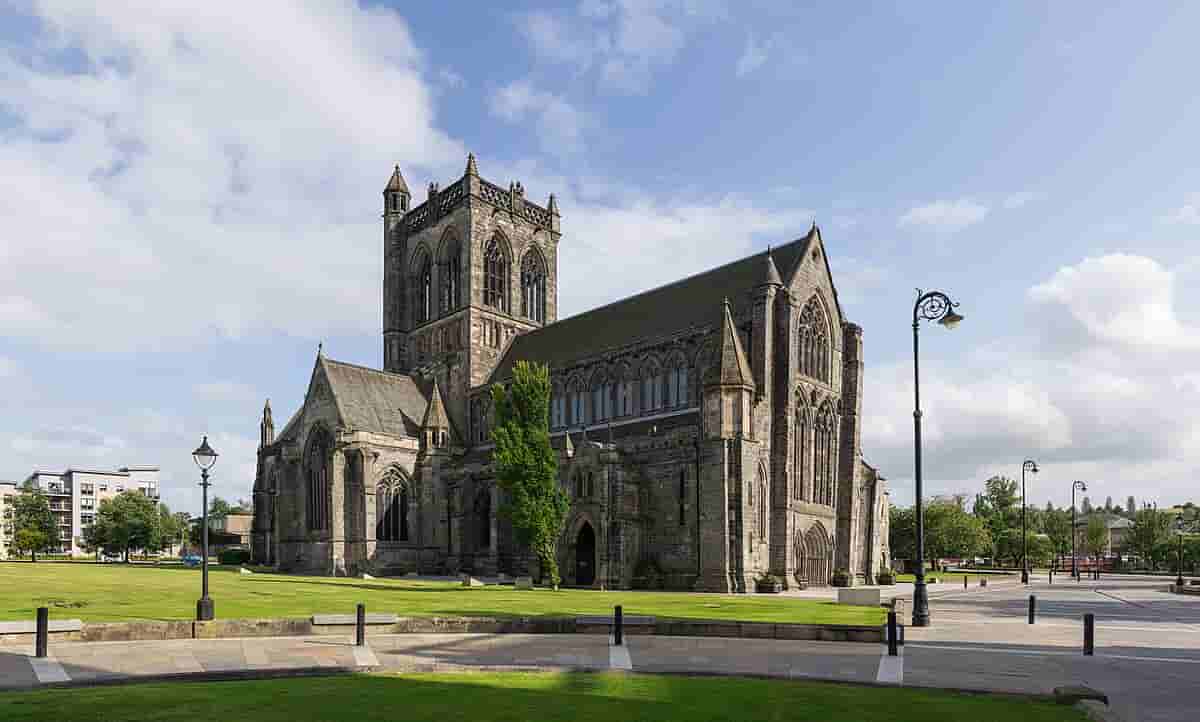
Paisley Abbey
Historic abbey with medieval architecture and stained glass windows.
Glasgow City Centre
A short drive to this vibrant city known for its stunning architecture, world-class shopping, and cultural scene.
Braehead Shopping Centre
Large shopping and leisure complex with cinema and restaurants.
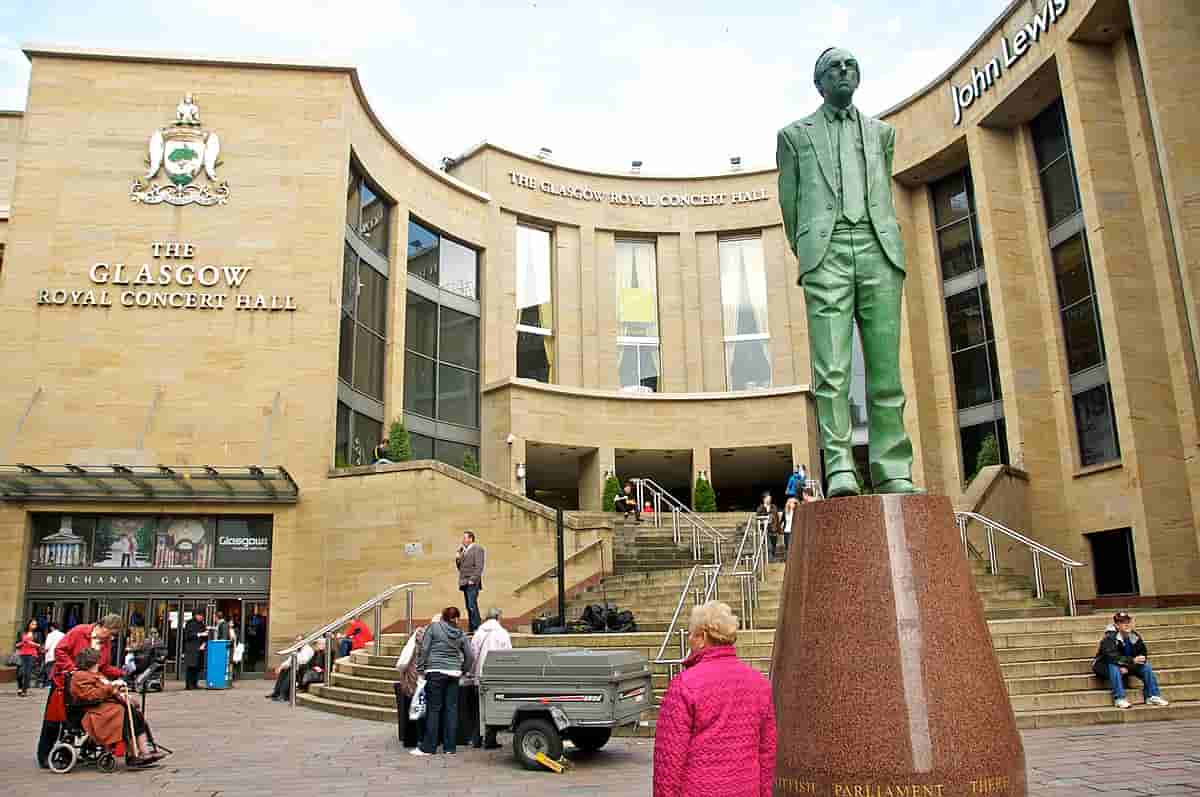
Glasgow Royal Concert Hall
A leading venue for live music, comedy, and cultural events located at the top of Buchanan Street.
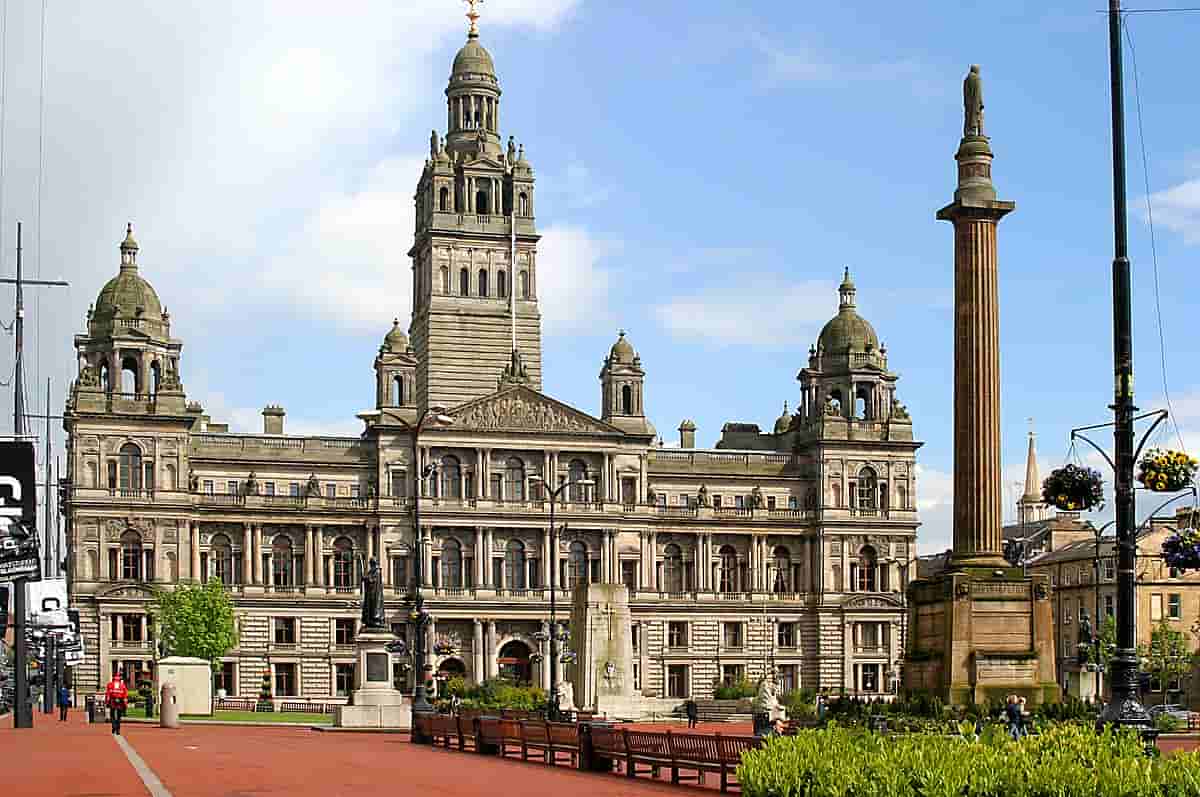
George Square
The city's main public square, surrounded by impressive architecture and often host to events and celebrations.
The Lighthouse
Scotland's Centre for Design and Architecture, with exhibitions and a panoramic city view from the Mackintosh Tower.
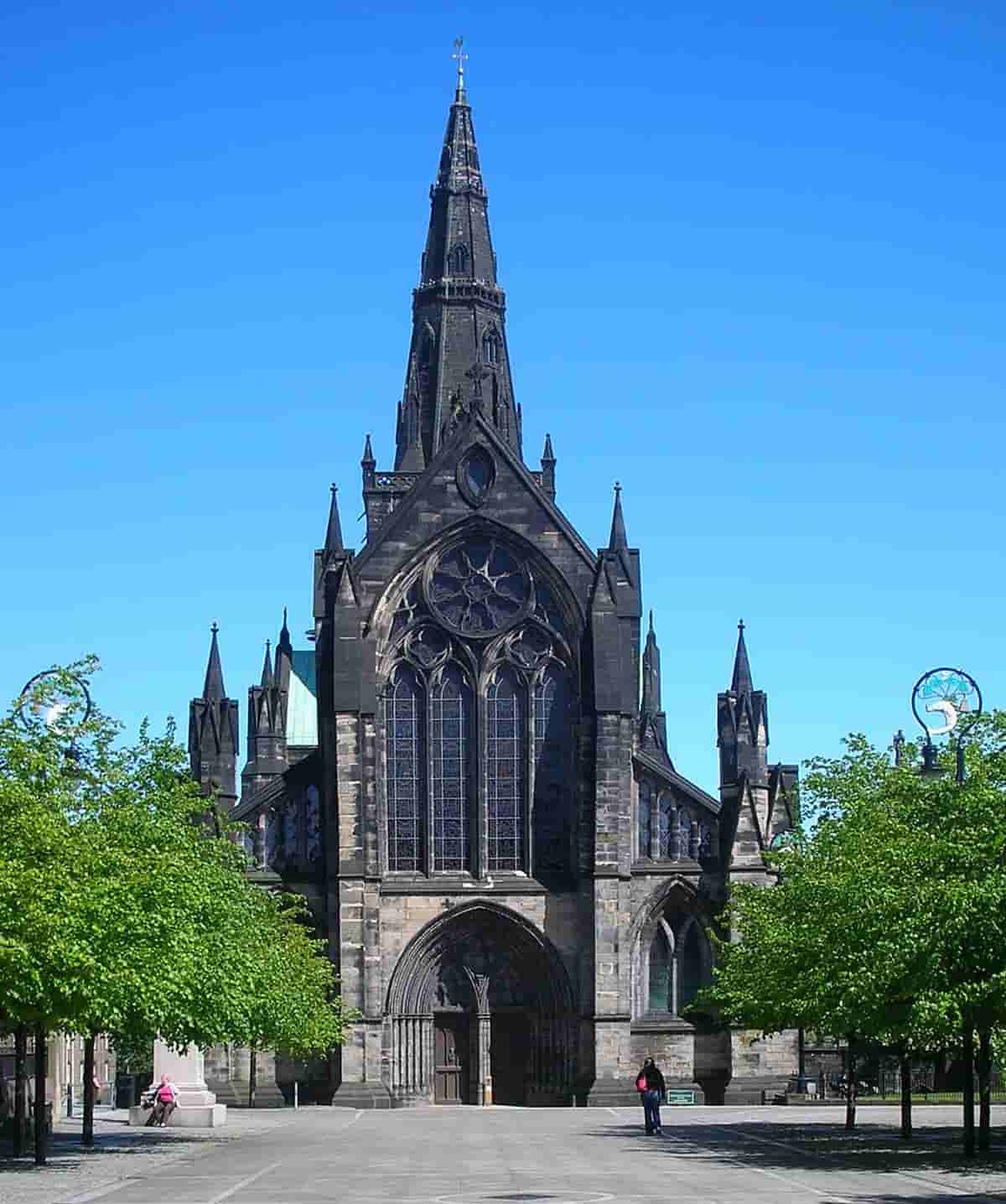
Glasgow Cathedral
A magnificent medieval cathedral known for its striking Gothic architecture and rich religious history dating back to the 12th century.
River Clyde Waterfront
Vibrant area with restaurants and parks
Scotland National Museum
Free entry to historical artifacts and exhibits
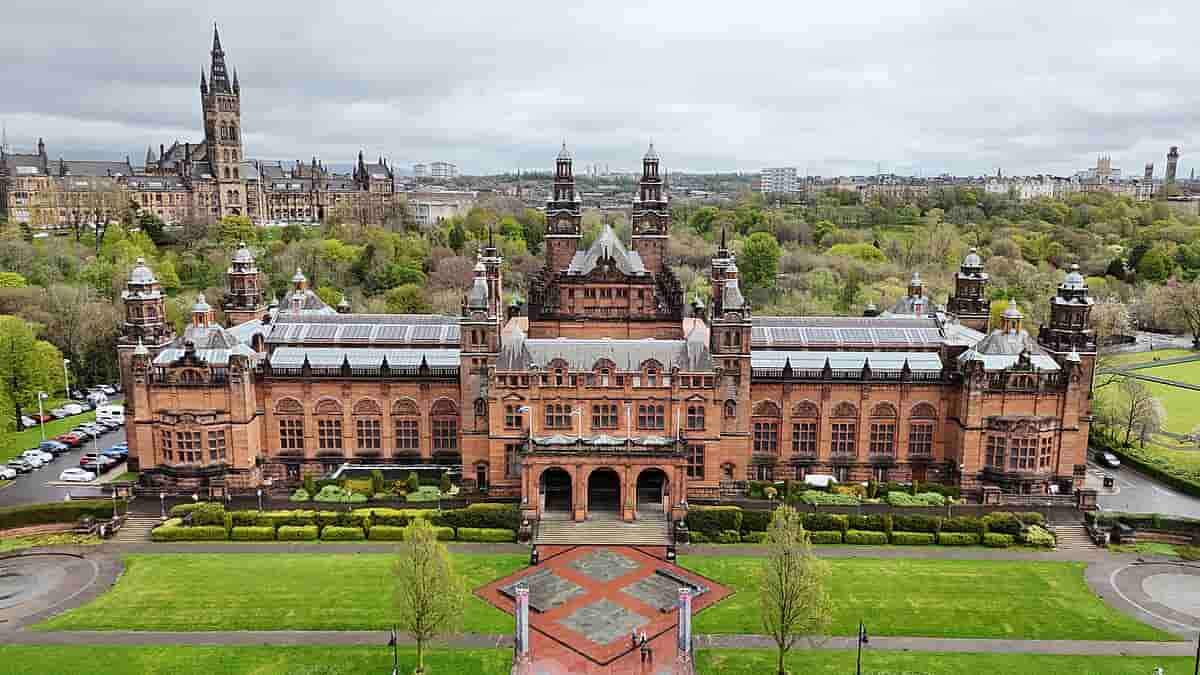
Kelvingrove Art Gallery and Museum
A stunning Baroque-style building housing one of Europe's great art collections, featuring works by renowned artists like Dali and Van Gogh.
University of Glasgow
Prestigious university campus with stunning Gothic-style architecture, offering a glimpse into Scotland's rich academic heritage.
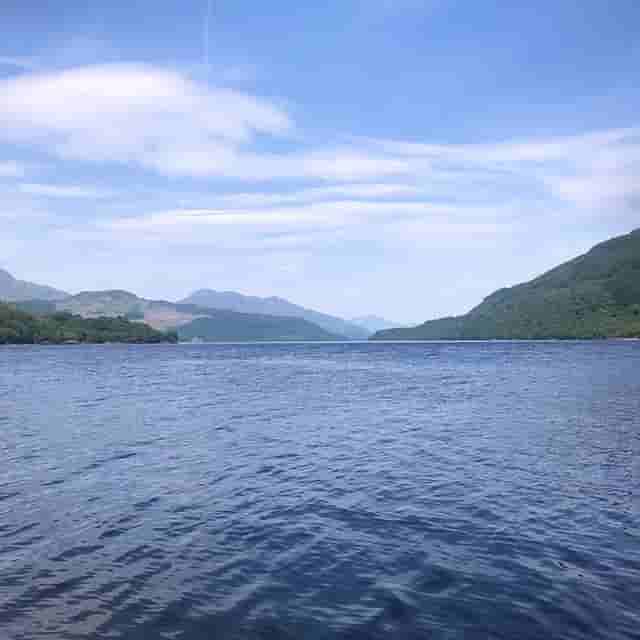
Loch Lomond
Beautiful freshwater loch and national park, popular for outdoor activities.
🏘️ Neighborhoods
City Centre
The bustling commercial and retail heart, home to George Square, major shopping streets, and many historic buildings. Packed with attractions, hotels, and transport links.
Merchant City
A stylish, regenerated district with elegant Georgian architecture. Now a hub for sophisticated dining, cocktail bars, boutique shopping, and cultural venues.
West End
Centered around the University of Glasgow, this bohemian area is known for its beautiful parks (Kelvingrove), independent shops, cafes, and vibrant nightlife on Ashton Lane.
Finnieston
A formerly industrial strip now famed as Glasgow's foodie hotspot. Lined with award-winning restaurants, trendy bars, and close to the SECC and SSE Hydro venues.
Southside
A diverse, residential area with a strong community feel. Offers a more local experience with great cafes, the beautiful Queen's Park, and the Burrell Collection.
Clyde Waterfront
A regenerated area along the river featuring the Riverside Museum, SSE Hydro, and the Glasgow Science Centre. Modern architecture and family-friendly attractions.
🍽️ Local Cuisine
Glasgow's food scene has evolved dramatically, but traditional Scottish fare remains a hearty cornerstone. Must-try dishes include Cullen Skink (a creamy smoked haddock soup), Haggis (often served with 'neeps and tatties'—turnips and potatoes), and a full Scottish breakfast. For a true Glasgow experience, seek out a 'fish tea'—a substantial meal of fish and chips with bread and butter and a pot of tea. The city is also famous for its Indian cuisine, with the 'chicken tikka masala' allegedly invented here. Dining culture ranges from no-frills 'chippies' and historic pubs to award-winning modern Scottish restaurants. The Finnieston strip in the West End is a foodie hotspot, while the Merchant City offers stylish dining. Price ranges vary: a pub lunch can cost £10-15, a mid-range restaurant meal £25-40 per person, and fine dining upwards of £60. Etiquette is generally relaxed; tipping 10-12% is customary for good table service. Don't leave without trying a dram of Scotch whisky or a locally brewed craft beer.
💡 Local Tips
🚗 Day Trip Ideas
Edinburgh
Scotland's historic capital, home to Edinburgh Castle, the Royal Mile, and Arthur's Seat. A stark contrast to Glasgow's vibe.
Loch Lomond & The Trossachs National Park
Stunning loch and mountain scenery perfect for hiking, boat trips, and experiencing the Scottish Highlands' doorstep.
Stirling
A historic city dominated by its spectacular castle, key to Scotland's history. Also see the Wallace Monument.
The Isle of Arran
Known as 'Scotland in Miniature' for its mountains, beaches, and distilleries. Accessible by ferry.
New Lanark
A beautifully preserved 18th-century cotton mill village and UNESCO World Heritage Site on the River Clyde.
Paisley
Visit the magnificent Paisley Abbey, a key attraction from your list, and explore its museum dedicated to the famous Paisley pattern.
🛡️ Safety Tips
Glasgow is generally a safe city for tourists, with a friendly population. Standard urban precautions apply: be aware of your surroundings, especially at night, and keep valuables secure. Petty crime like pickpocketing can occur in crowded tourist areas, on public transport, and in nightlife districts. Be cautious in the city center late on weekend nights due to nightlife-related disturbances. Common scams are rare but be wary of unsolicited approaches or 'distraction' techniques. Areas to exercise slightly more caution include parts of the East End, though these are not typical tourist zones. For emergencies, dial 999 for police, fire, or ambulance. For non-emergency police matters, dial 101. Healthcare is provided by the NHS; EU visitors should carry a GHIC card. Tap water is safe to drink. The city is very walkable, but stick to well-lit main streets after dark.
💰 Budget Guide
Glasgow offers good value compared to other UK cities. A daily budget can be broken into three tiers: Budget (£50-70): Stay in hostels or budget hotel chains (£30-50/night), eat at cafes and 'chippies' (£5-10 per meal), use public transport day tickets (£4.70), and enjoy free attractions like museums and parks. Mid-Range (£100-150): Comfortable hotel or Airbnb (£70-100/night), meals at mid-range pubs/restaurants (£15-25 per meal), occasional taxis, and paid attractions like cathedral tours. Luxury (£200+): Boutique or 4-5 star hotels (£120+/night), fine dining (£50+ per meal), private tours, and theatre tickets. Money-saving tips: Most major museums and galleries are free. Walk as much as possible—the center is compact. Look for pre-theatre dinner menus for great value. Purchase a Subway all-day ticket for unlimited travel. Many pubs offer affordable lunch specials.