Welcome to Edinburgh
Edinburgh, the storied capital of Scotland, is a city where history is etched into every cobblestone and dramatic skyline. Perched on ancient volcanic rock, it's a place of profound contrasts: the medieval Old Town with its shadowy closes and the elegant Georgian New Town, a UNESCO World Heritage site. This is a city of literature and learning, of haunting bagpipe melodies echoing down the Royal Mile, and of vibrant festivals that transform its streets into global stages. With its compact, walkable center and a wealth of over 378 hotels catering to every taste and budget, Edinburgh is a remarkably accessible destination. Whether you're seeking the solemnity of the castle, the wild beauty of Arthur's Seat rising in the city's heart, or the warmth of a traditional pub, Edinburgh offers an immersive journey through centuries of Scottish culture and resilience.
Overview
Edinburgh's history is a tapestry of royal intrigue, intellectual enlightenment, and industrial growth. As the seat of the Scottish Parliament since 1999, it is a political and cultural powerhouse. The city is famously divided into the Old Town and New Town. The Old Town, centered on the Royal Mile leading from Edinburgh Castle to the Palace of Holyroodhouse, is a labyrinth of medieval streets and towering tenements. The 18th-century New Town, with its graceful squares and neoclassical architecture, represents the Age of Enlightenment. Edinburgh is globally renowned for the Edinburgh Festival Fringe, the world's largest arts festival, and its Hogmanay New Year celebrations. It's a city of literature, designated a UNESCO City of Literature, with ties to authors like Sir Walter Scott and Robert Louis Stevenson. The presence of prestigious universities ensures a youthful, dynamic energy alongside deep-rooted traditions.
🗓️ Best Time to Visit
The best time to visit Edinburgh is during the late spring (May-June) and early autumn (September-October) for milder weather, fewer crowds, and vibrant foliage. Summer (July-August) is peak season, coinciding with the world-famous Edinburgh International Festival and Fringe; expect bustling streets, higher prices, and the need to book everything far in advance. The weather is at its warmest but can still be unpredictable. Winter (November-February) is cold, dark, and often wet, but it's magical during the Christmas markets and Hogmanay celebrations, which require planning. Shoulder seasons offer a good balance of decent weather and manageable tourist numbers. Be prepared for rain and shifting conditions any time of year, a phenomenon locals call 'four seasons in one day.'
🌤️ Weather & Climate
Edinburgh has a temperate maritime climate characterized by cool summers, mild winters, and changeable weather year-round. Rain is distributed evenly throughout the year, and it's famously windy.
Seasons
Spring
💨 Humidity: moderate
Increasing daylight, cool to mild temperatures, and frequent showers mixed with sunny spells. Flowers bloom in the parks.
Summer
💨 Humidity: moderate
The warmest and longest days, but rarely hot. Weather is highly variable—sun, rain, and wind can all occur in one day. Peak festival season.
Autumn
💨 Humidity: high
Cooling temperatures, increasing rain and wind. Beautiful fall foliage in October. Days shorten noticeably.
Winter
💨 Humidity: high
Cold, damp, and short days. Snow is possible but rarely heavy. Frosty mornings are common. The festive season brings Christmas markets and Hogmanay.
Monthly Weather Details
January Weather
Best for: indoor museums, cozy pubs, Hogmanay
February Weather
Best for: city walks, avoiding crowds
March Weather
Best for: early spring sights, photography
April Weather
Best for: gardens, Easter events
May Weather
Best for: outdoor hiking, sightseeing
June Weather
Best for: long days, pre-festival vibe
July Weather
Best for: festival season, outdoor dining
August Weather
Best for: Edinburgh Festival Fringe, Military Tattoo
September Weather
Best for: fewer crowds, pleasant walks
October Weather
Best for: autumn colors, whisky tasting
November Weather
Best for: indoor attractions, early Christmas shopping
December Weather
Best for: Christmas markets, festive lights
🎒 What to Pack
All Year Round
- waterproof jacket
- layered clothing
- comfortable walking shoes
- umbrella
- adapter (UK plug)
🚗 Getting Around
Edinburgh is a highly walkable city, with most major attractions in the compact city center. For longer distances, the comprehensive Lothian Buses network is efficient and affordable, with a flat fare and day tickets available. Trams run from the airport to the city center and New Town. Taxis are plentiful, and ride-sharing apps like Uber operate. Biking is an option with dedicated paths, though hilly terrain can be challenging. Edinburgh Waverley railway station is the main hub for trains across Scotland and the UK. Edinburgh Airport (EDI) is about 8 miles west; the Airlink 100 bus and tram provide frequent, cost-effective transfers to the city center in about 30 minutes. Pre-purchasing transport passes and using contactless payment on buses are the easiest ways to pay.
🎯 Top Attractions
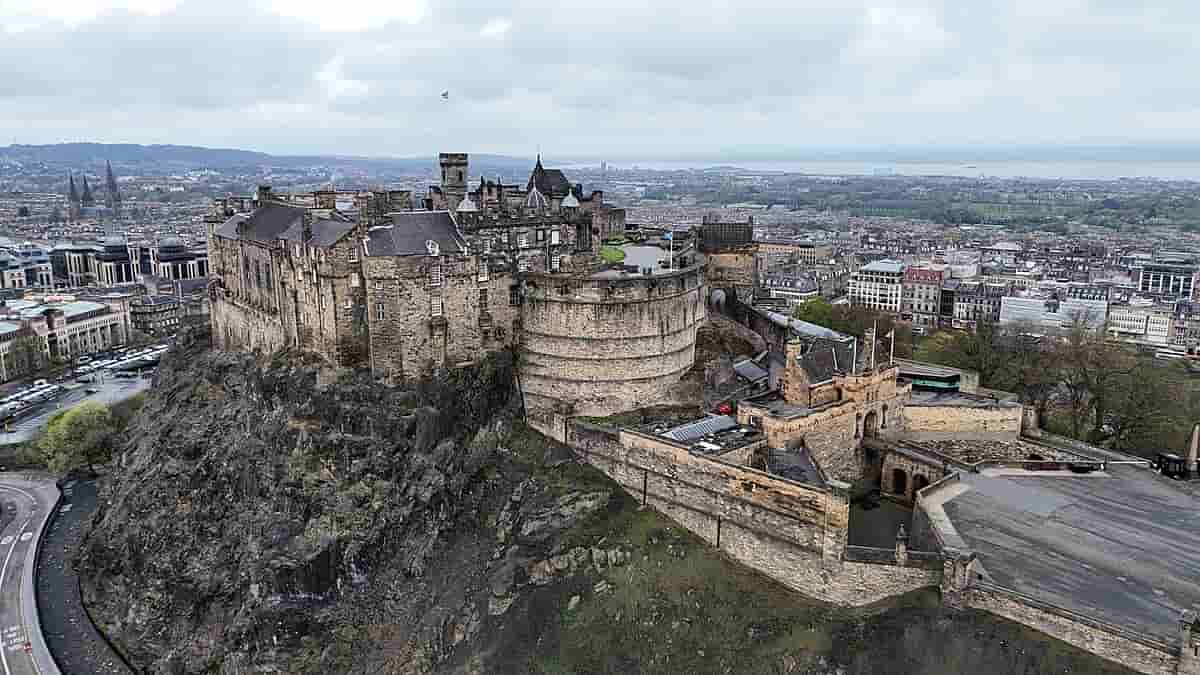
Edinburgh Castle
Iconic hilltop fortress with a rich history, offering stunning city views and a glimpse into Scotland's past through its impressive architecture and exhibits.
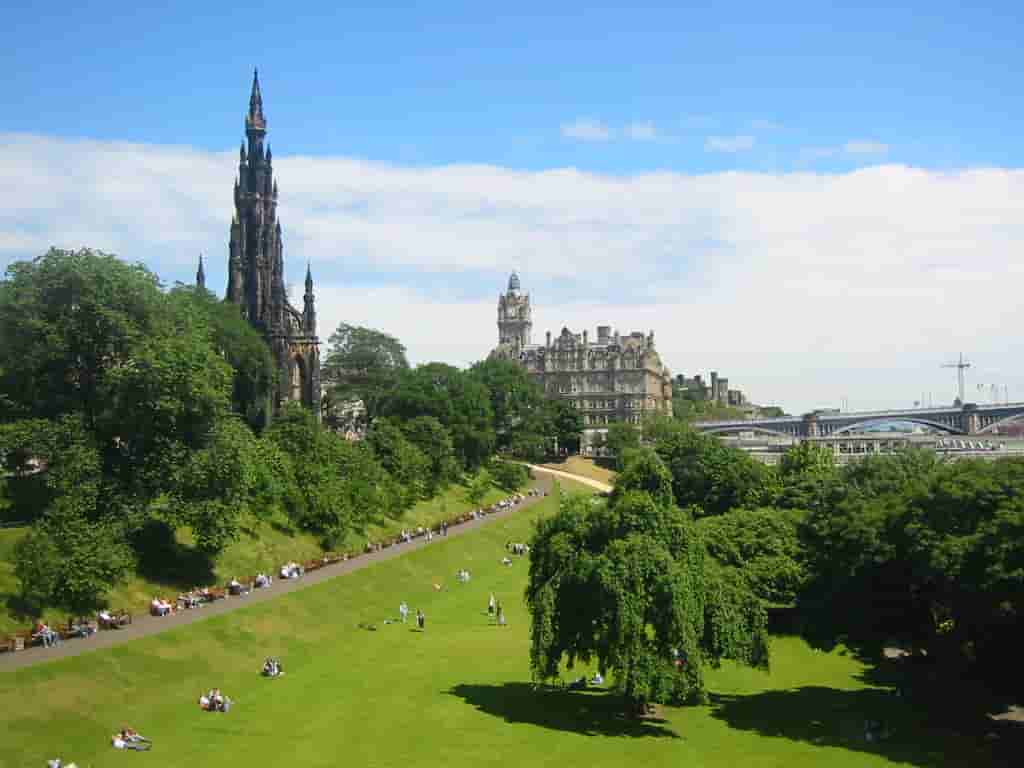
Princes Street Gardens
A beautiful and serene public park in the city center, offering stunning views of Edinburgh Castle and a perfect spot for a stroll.
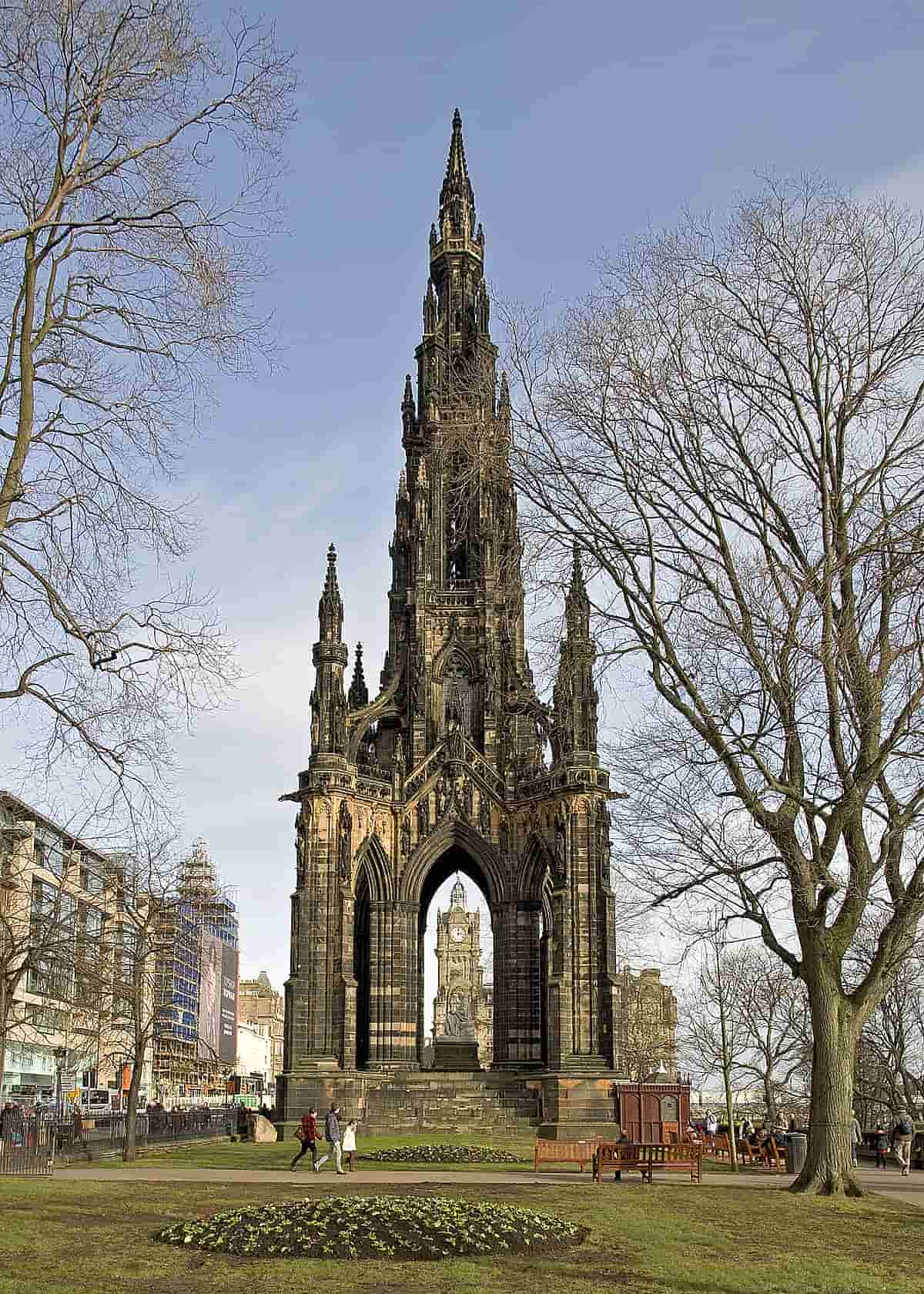
Scott Monument
A magnificent Victorian Gothic monument dedicated to Sir Walter Scott, offering a challenging climb with rewarding city views.
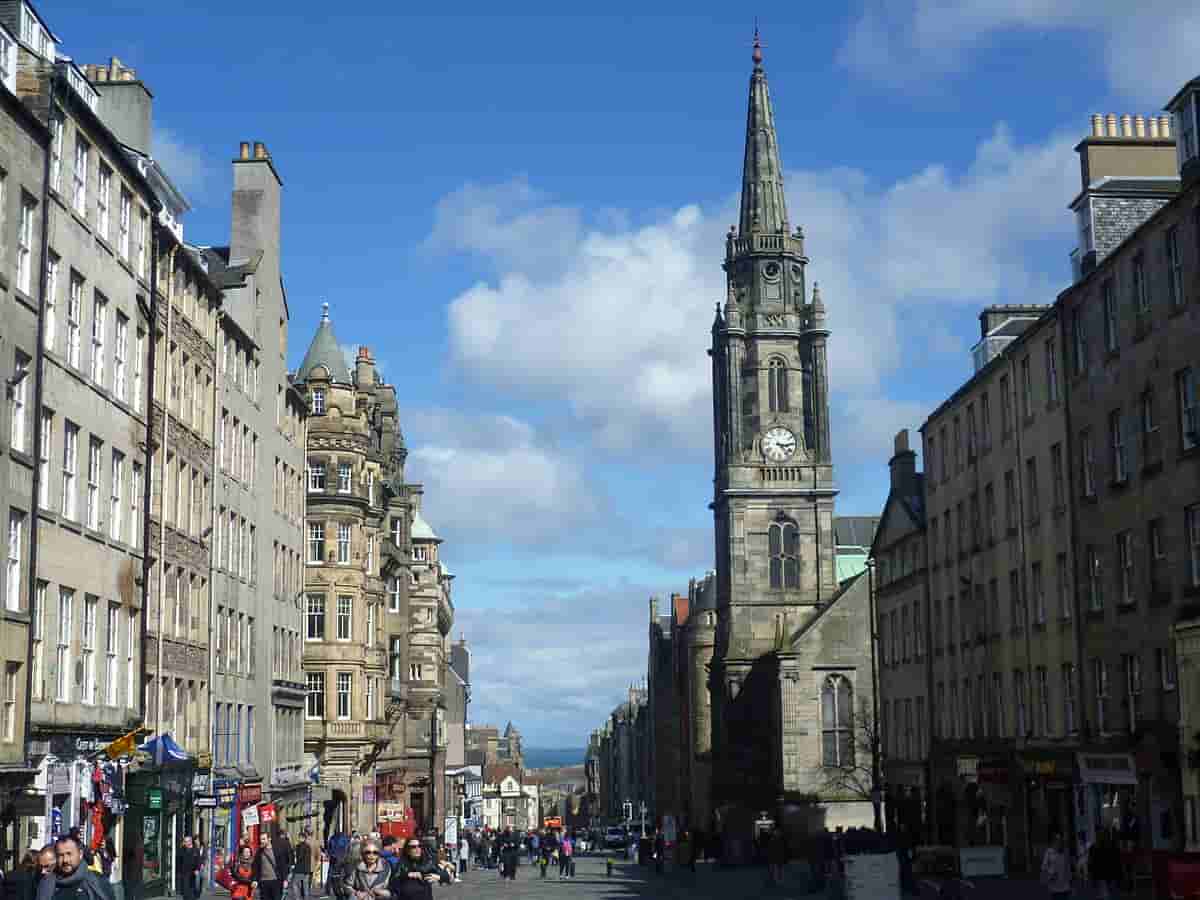
Royal Mile
A bustling street full of shops, restaurants, and historic sites, the Royal Mile is perfect for tourists looking to immerse themselves in Edinburgh's culture.
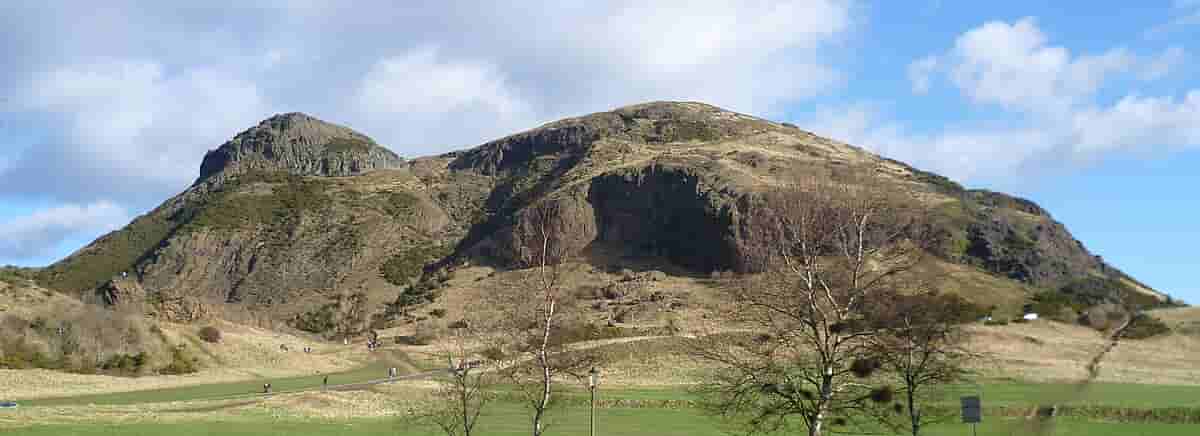
Arthur's Seat
Rugged peak offering panoramic views of Edinburgh and the surrounding countryside, perfect for hiking and exploring the great outdoors.
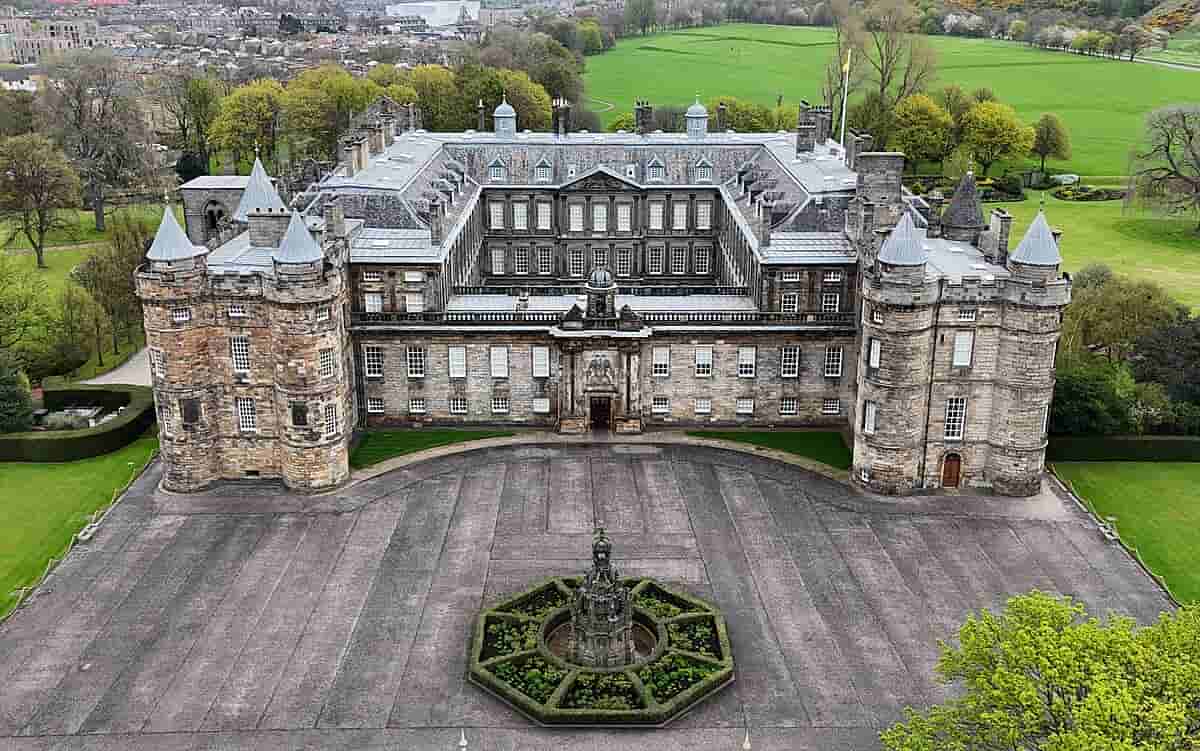
Holyrood Palace
The official residence of the British monarch in Scotland, set at the end of the Royal Mile.
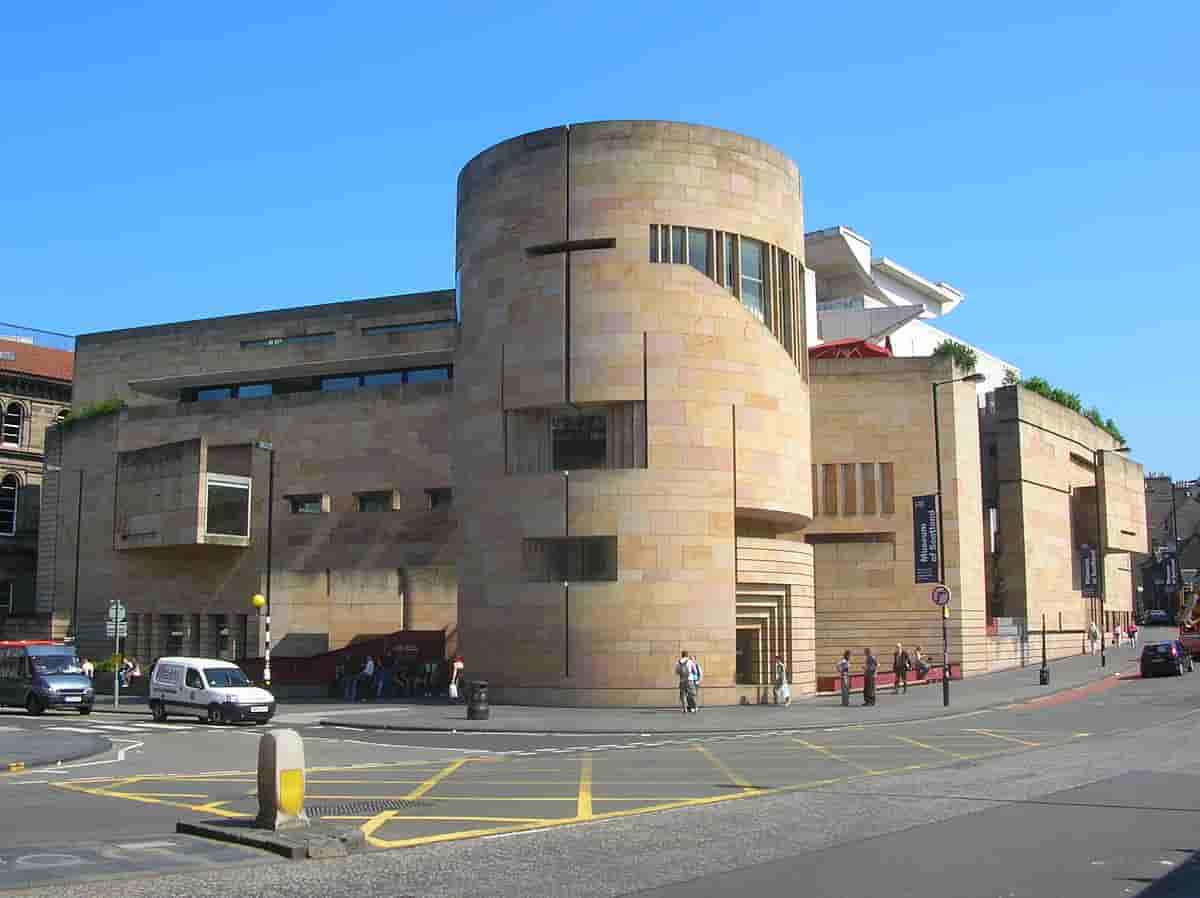
National Museum of Scotland
Renowned museum showcasing the country's rich history, culture, and natural wonders through its diverse collection of artifacts and interactive displays.
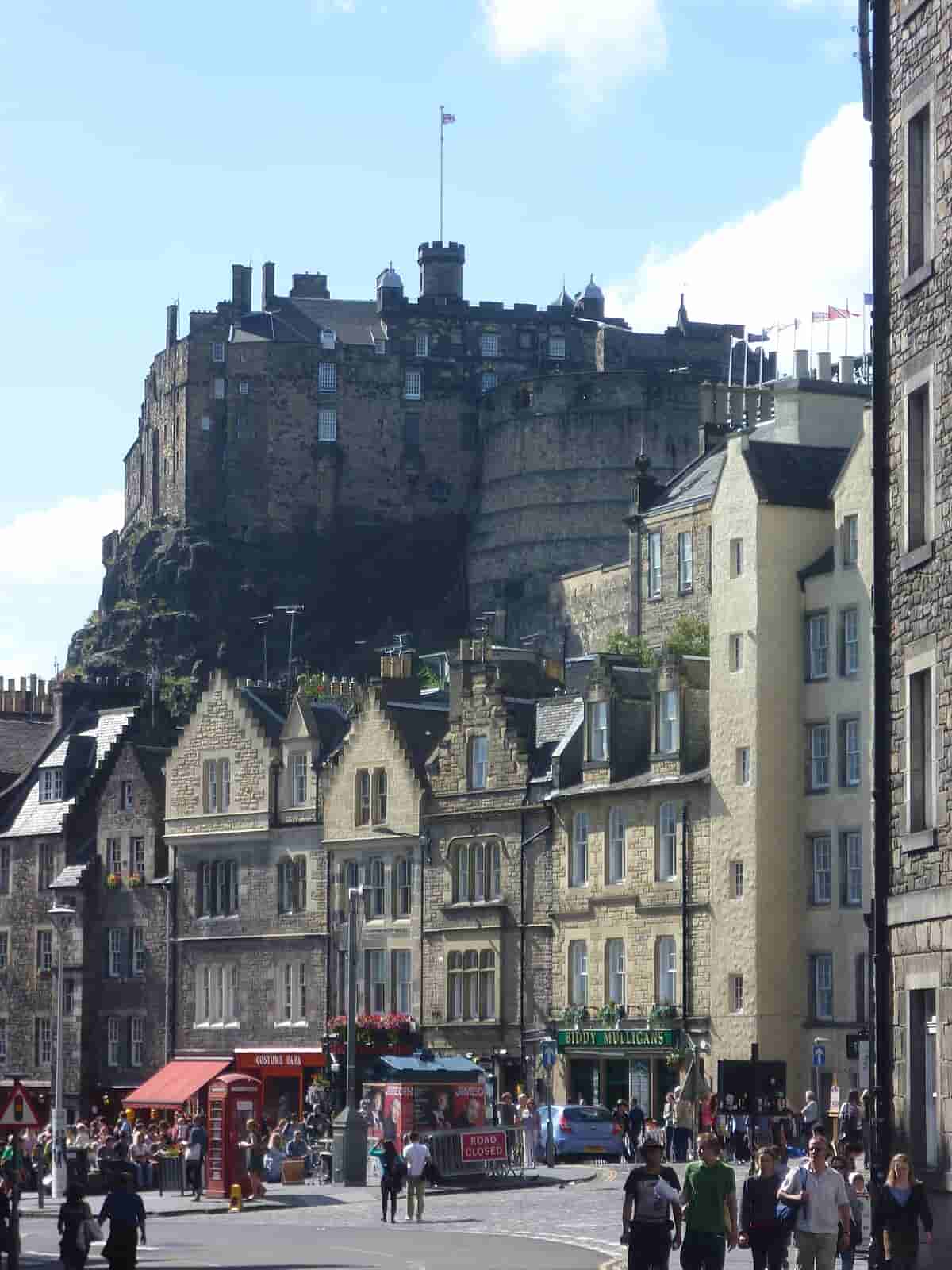
Grassmarket
A vibrant historic square brimming with unique pubs, independent shops, and a lively atmosphere day and night.
Dynamic Earth
An award-winning, interactive science centre telling the story of planet Earth.
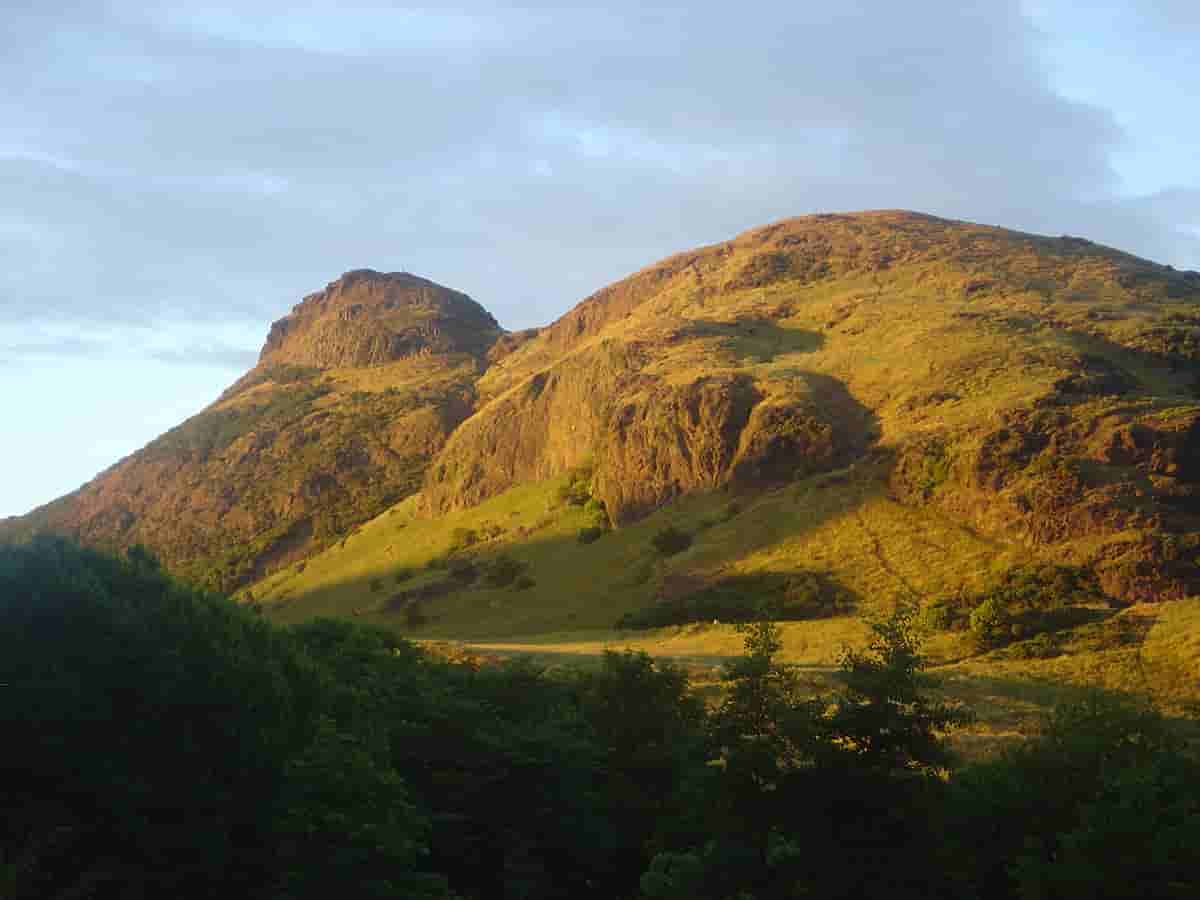
Holyrood Park
Vast and dramatic royal park encompassing Arthur's Seat, an ancient volcano with panoramic city views.
Edinburgh Zoo
World-renowned zoo, home to the UK's only giant pandas and a fantastic penguin parade.
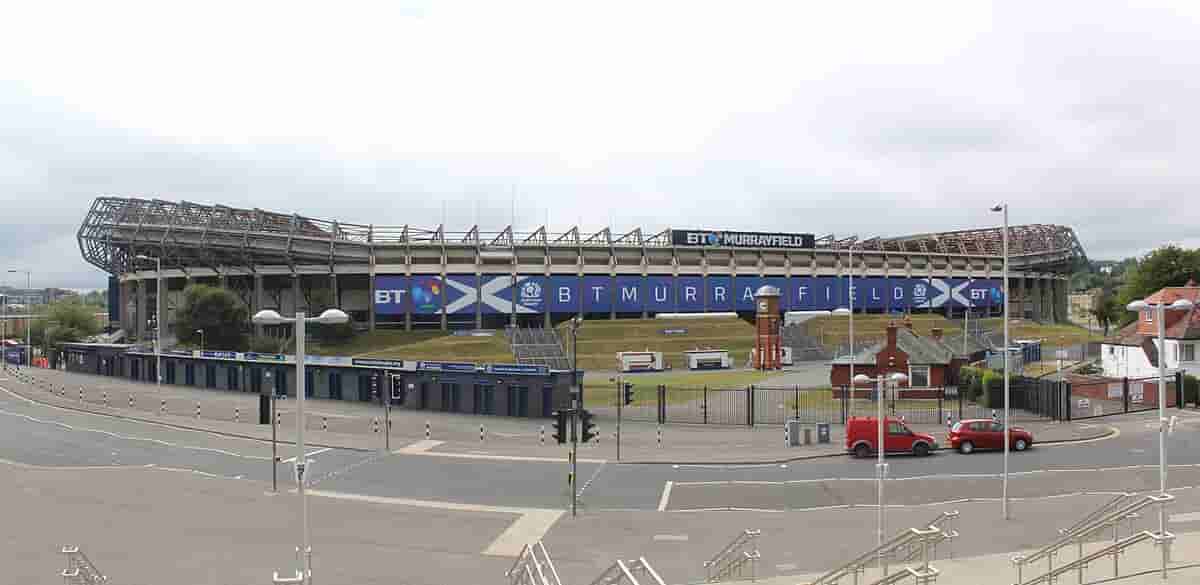
Murrayfield Stadium
The legendary home of Scottish rugby, hosting major international matches and events.
🏘️ Neighborhoods
Old Town
The historic heart, home to Edinburgh Castle, the Royal Mile, and medieval closes. Atmospheric and bustling with tourists.
New Town
A UNESCO site of Georgian elegance with grand squares, shopping on Princes Street, and upmarket restaurants.
Stockbridge
A charming, village-like area with independent boutiques, cafes, and the Sunday market. Close to the Royal Botanic Garden.
Leith
The city's historic port, now revitalized with a fantastic array of seafood restaurants, trendy bars, and the Royal Yacht Britannia.
West End
An elegant, quieter area with beautiful architecture, boutique hotels, and proximity to the city center and Haymarket station.
Grassmarket
A historic market square at the foot of the castle, now a lively hub of pubs, casual eateries, and hostels with stunning views.
Bruntsfield/Morningside
Leafy, residential suburbs south of the center, known for their affluent feel, excellent cafes, and boutique shopping on Morningside Road.
Dean Village
A picturesque, hidden former milling village nestled in a valley along the Water of Leith, just minutes from the city center.
🍽️ Local Cuisine
Scottish cuisine in Edinburgh is hearty and showcases local produce. Must-try dishes include haggis (spiced offal with oats, traditionally served with 'neeps and tatties'—turnips and potatoes), Cullen skink (a creamy smoked haddock soup), and Aberdeen Angus beef. For a sweet treat, try cranachan (a dessert of raspberries, cream, oats, and whisky) or shortbread. The city boasts a thriving food scene, from historic pubs like The Sheep Heid Inn to modern Michelin-starred restaurants. The Shore in Leith is renowned for seafood. Sample Scotch whisky in a traditional pub or on a dedicated tour. Price ranges vary widely: budget-friendly pub meals, mid-range bistros, and high-end fine dining. Tipping 10-12% is customary for good table service. Don't miss the farmers' markets for artisanal cheeses and baked goods.
💡 Local Tips
🚗 Day Trip Ideas
Stirling
Historic city with Stirling Castle and the Wallace Monument, pivotal in Scotland's wars of independence.
The Scottish Borders
Rolling hills and historic abbeys like Melrose and Dryburgh. Visit Sir Walter Scott's home, Abbotsford.
North Berwick
Charming coastal town with beaches, seabird colonies on the Bass Rock, and the Scottish Seabird Centre.
The Kingdom of Fife
Picturesque fishing villages like Anstruther (for fish and chips) and the historic university town of St Andrews, home of golf.
Rosslyn Chapel
Famous for its exquisite stone carvings and featured in 'The Da Vinci Code'. Located in the village of Roslin.
The Pentland Hills
Regional Park offering excellent hiking, walking, and panoramic views right on Edinburgh's doorstep.
🛡️ Safety Tips
Edinburgh is generally a very safe city for tourists. Standard precautions apply: be aware of your belongings in crowded areas like the Royal Mile, Princes Street, and during festivals, as pickpocketing can occur. Be cautious of street scams, such as overly persistent 'charity' collectors or unsolicited help at ATMs. The city center is well-lit and busy at night, but it's wise to stick to main streets. The emergency number in the UK is 999. Tap water is safe to drink. The weather is the primary health consideration—dress appropriately to avoid chills. Healthcare is available through the NHS; EU citizens should carry a GHIC card, and others are advised to have travel insurance.
💰 Budget Guide
Daily budgets vary widely. Budget travelers can manage on $60-80/day: stay in hostels ($30-40), eat supermarket meals or pub lunches ($15), use bus day tickets ($5), and enjoy free attractions (museums, hiking Arthur's Seat). Mid-range travelers should budget $150-250/day: a comfortable hotel/B&B ($100-150), meals at nice restaurants ($40), paid attractions/tours ($30), and transport. Luxury budgets exceed $350/day: premium hotels, fine dining, private tours, and whisky tastings. Save money by booking accommodation well in advance, especially for festivals; using bus passes; visiting free national museums and galleries; and eating a substantial lunch (often cheaper than dinner). Many historic pubs offer affordable, hearty meals.