Welcome to Bogota
Bogota, the sprawling, high-altitude capital of Colombia, is a city of exhilarating contrasts. Nestled in the Andean region of Cundinamarca at a breathtaking 2,640 meters (8,660 feet) above sea level, it is a place where colonial history collides with modern urban energy. The city's dramatic backdrop of green mountains, crowned by the iconic Monserrate sanctuary, overlooks a metropolis of over 8 million people. Bogota is the nation's pulsating heart, a center of government, finance, art, and culture. Its unique character is found in the cobblestone streets and brightly painted houses of La Candelaria, the world-class collections of the Gold Museum, and the vibrant street art that adorns entire neighborhoods. With a diverse range of accommodations, from boutique hostels to international luxury chains, the city's 319 hotels offer a comfortable base for every traveler, with an average nightly rate making it an accessible destination for a 3-4 day exploration of its many layers.
Overview
Founded in 1538 by Spanish conquistadors, Bogota's history is etched into the very stones of its historic center. It served as the capital of the Spanish colonial Viceroyalty of New Granada and later became the capital of an independent Colombia. This deep history is palpable in the Plaza de Bolivar, surrounded by grand buildings like the Primary Cathedral and the Palace of Justice. Culturally, Bogota is a powerhouse, boasting an incredible density of museums, including the unmissable Museo del Oro (Gold Museum) and the Museo Botero, which houses works by Colombia's most famous artist alongside his personal collection of modern masters. The city is famous for its intellectual and artistic life, its thriving gastronomic scene, and its status as a major business hub in Latin America. Key districts include the historic La Candelaria, the upscale Zona Rosa and Parque 93 for dining and nightlife, the bustling downtown Centro, and the sprawling, residential neighborhoods of the north. It's a city that rewards the curious traveler with endless discoveries.
🗓️ Best Time to Visit
Bogota's weather is famously unpredictable due to its altitude, but it enjoys a relatively mild climate year-round. The best times to visit are during the drier seasons: December to March and July to August. These months offer more sunny days and less rainfall, ideal for exploring on foot and enjoying the panoramic views from Monserrate. The peak tourist season aligns with these dry periods and major holidays like Christmas and Semana Santa (Holy Week), so expect higher prices and more crowds. The rainy seasons (April-May and September-November) see more frequent afternoon showers, but this is the off-peak period, offering lower hotel rates and fewer tourists. Major events are spread throughout the year: the Ibero-American Theater Festival (biennial, even years) in March/April, Bogota's birthday celebrations in August, and the dazzling Christmas lights from early December through January. Regardless of season, always pack for cool evenings.
🌤️ Weather & Climate
Bogota has a subtropical highland climate characterized by cool temperatures year-round due to its high altitude. There are no extreme seasons, but rather distinct dry and rainy periods. Days are generally mild, while nights can be quite chilly.
Seasons
Dry Season
💨 Humidity: moderate
Sunny mornings and clear skies are common, with cool, crisp air. This is the most pleasant time for outdoor exploration and sightseeing.
Rainy Season
💨 Humidity: high
Expect overcast skies and frequent afternoon showers or drizzle. Mornings can be clear, but rain is a daily possibility. Pack a waterproof jacket.
Transition Months
💨 Humidity: moderate
A shorter, less predictable period with a mix of dry and rainy days, often considered part of the wet season pattern.
Monthly Weather Details
January Weather
Best for: sightseeing, hiking Monserrate
February Weather
Best for: outdoor festivals, city walks
March Weather
Best for: cultural events, museum visits
April Weather
Best for: indoor museums, coffee shop hopping
May Weather
Best for: indoor activities, culinary tours
June Weather
Best for: mixed indoor/outdoor plans
July Weather
Best for: sightseeing, day trips
August Weather
Best for: city birthday celebrations, parks
September Weather
Best for: indoor cultural sites
October Weather
Best for: museum and gallery visits
November Weather
Best for: indoor attractions, shopping
December Weather
Best for: Christmas lights, sightseeing
🎒 What to Pack
All Year Round
- layered clothing
- waterproof jacket or umbrella
- comfortable walking shoes
- sunscreen
- hat
🚗 Getting Around
Navigating Bogota is an adventure in itself. The backbone of public transport is the TransMilenio, a rapid bus system with dedicated lanes that is efficient but can be extremely crowded during peak hours. Complementing this are the SITP city buses. For a more flexible option, ride-sharing apps like Uber, Didi, and Cabify are widely used and generally safer and more reliable than hailing street taxis; if you do take a taxi, ensure it's licensed and the meter is used. Bogota is a huge city, so walking is best concentrated within specific neighborhoods like La Candelaria or Zona T. The city is famous for its Ciclovia, where major avenues are closed to cars every Sunday for cyclists and pedestrians. For airport transfers, El Dorado International Airport is well-connected by official airport taxi services (find the booth inside the terminal), authorized ride-shares, and direct TransMilenio routes. Costs are low: a TransMilenio fare is very inexpensive, while a cross-city taxi or ride-share might cost $10-15 USD.
🎯 Top Attractions
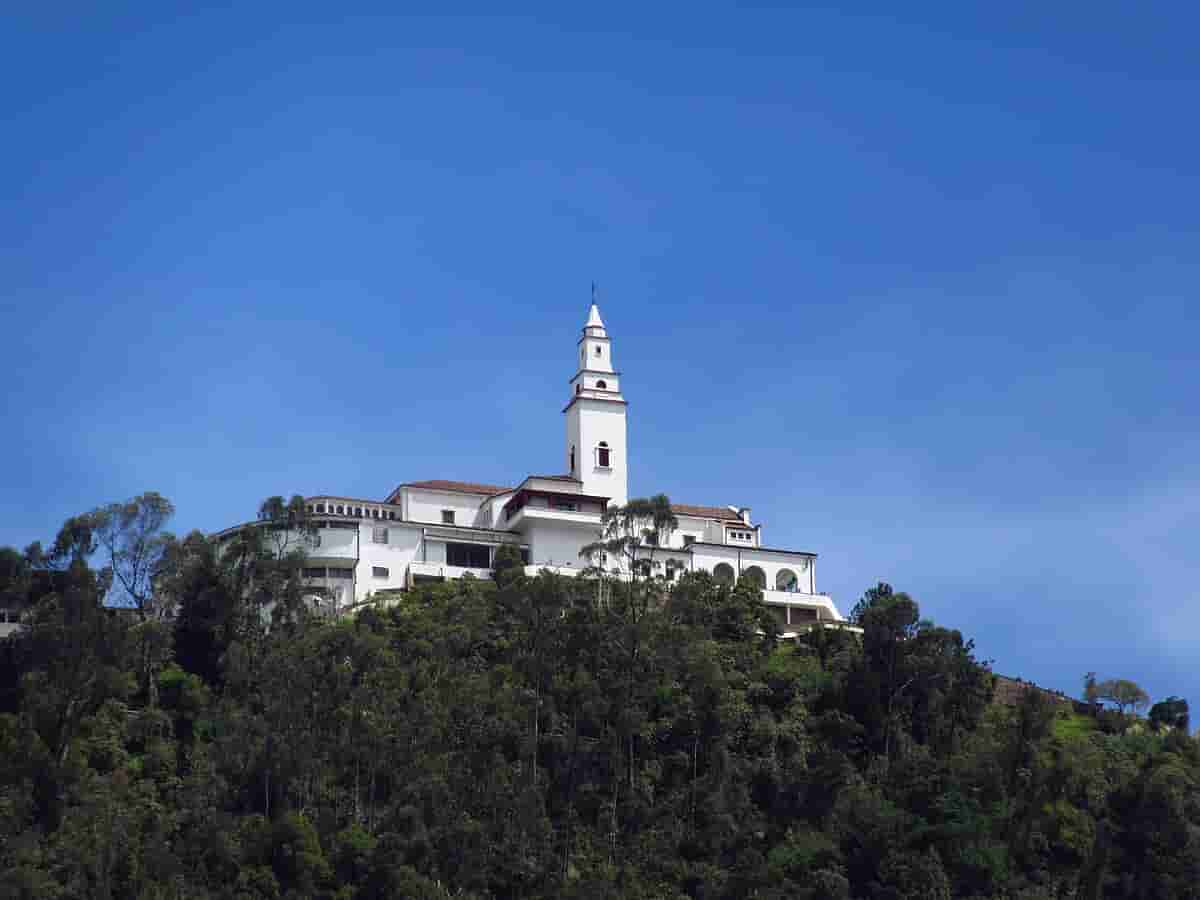
Monserrate
Take the iconic funicular or hiking trail to the top of this mountain for breathtaking views of the city.
Gold Museum
Explore the world's largest collection of pre-Hispanic gold artifacts at this fascinating museum in the heart of the city.
La Candelaria
The historic downtown district known for its colorful colonial buildings and cobblestone streets.
Salitre Mágico
An amusement park with rides and entertainment for families.
El Campín Stadium
Major sports stadium hosting football matches and concerts.
Museo Nacional de Colombia
Largest and oldest museum in Colombia showcasing national history and art.
Museo del Oro
Discover the stunning gold artifacts and rich cultural heritage of Colombia at this renowned museum.
Bolivar Square
Historic plaza surrounded by government buildings and the cathedral.
Botero Museum
Admire the vibrant, larger-than-life sculptures and paintings of renowned artist Fernando Botero.
Corferias Convention Center
A major exhibition and convention center hosting various events.
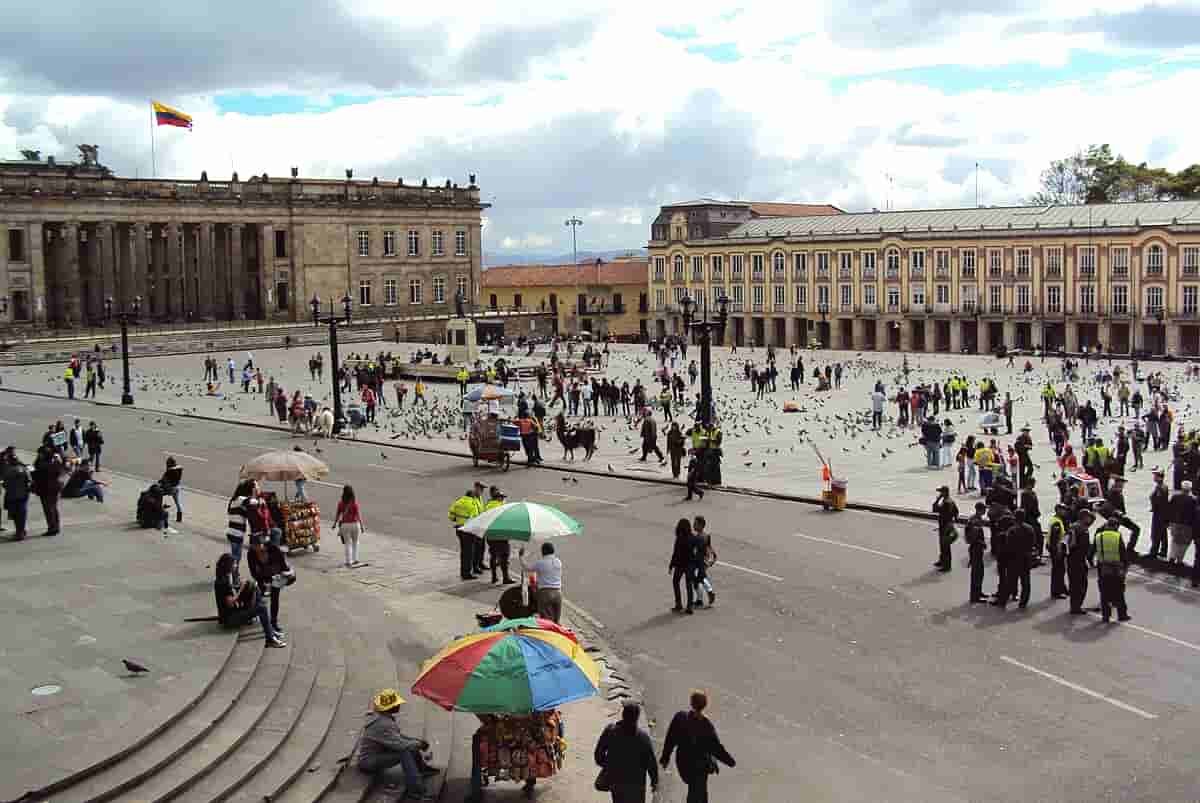
Plaza de Bolivar
Historic city square surrounded by colonial-era landmarks, including the Palace of Justice and the Cathedral of Bogotá.

Monserrate Hill
Iconic hilltop church accessible by cable car, offering panoramic city views.
🏘️ Neighborhoods
La Candelaria
The historic heart of Bogota, with cobblestone streets, colonial architecture, major museums, and universities. Vibrant but can be quiet at night.
Zona Rosa / Zona T
The upscale commercial and nightlife district, full of luxury shops, top restaurants, buzzing bars, and high-end hotels.
Parque 93
A slightly more refined area adjacent to Zona Rosa, centered around a beautiful park, with chic cafes, restaurants, and bars.
Usaquen
A charming, formerly separate town now absorbed into the city. Features a lovely colonial square, a famous Sunday market, and excellent dining.
Chapinero
A vast, diverse district. Chapinero Alto is trendy and bohemian, while lower Chapinero is a bustling commercial and residential zone with great food options.
Teusaquillo
Home to the National University, several major stadiums, and parks. A quieter, more local area with a youthful, academic energy.
Centro Internacional
The bustling downtown business district near the financial center. Busy by day, quieter at night, with many hotels and convention facilities.
🍽️ Local Cuisine
Bogota's cuisine is hearty and flavorful, a reflection of the cool Andean climate. The ultimate must-try is Ajiaco Santafereño, a rich chicken and potato soup with corn, capers, and cream. Another classic is Sobrebarriga (braised flank steak) or the simple yet satisfying Changua (milk and egg soup). For breakfast, sample Caldo de Costilla (beef rib broth) or tamales. The dining culture ranges from no-frills family-run fondas to innovative haute cuisine restaurants in the north. Popular food areas include the Zona G (Gourmet) and Usaquen's charming square for upscale options, while La Candelaria is filled with traditional eateries. Don't miss trying exotic fruits at a market, arepas from a street vendor, and finishing a meal with a cup of Colombian coffee or a shot of aguardiente. Etiquette is relaxed; a 10% tip is customary in sit-down restaurants. Price ranges are broad: a set lunch menu (menu del dia) can be under $5 USD, while a fine dining dinner can easily exceed $50 USD per person.
💡 Local Tips
🚗 Day Trip Ideas
Zipaquira Salt Cathedral
An astonishing underground cathedral built within the tunnels of a salt mine, a marvel of engineering and faith.
Villa de Leyva
A stunningly preserved colonial town with a vast cobblestone plaza, fossil museums, and beautiful surrounding countryside.
Lake Guatavita
The legendary circular lake, origin of the El Dorado myth. A scenic hike with cultural significance.
Choachi Hot Springs
Natural thermal baths nestled in the mountains near Bogota, perfect for relaxation and nature.
Suesca
Known as the rock climbing capital of Colombia, with dramatic sandstone cliffs and hiking trails along the river.
🛡️ Safety Tips
Bogota is generally safe for tourists who exercise common sense and awareness. The overall safety level has improved significantly, but petty crime like pickpocketing and phone snatching is common in crowded areas (TransMilenio, markets, historic center). Be cautious in the historic center after dark; stick to well-lit, populated streets. Common scams include fake police, taxi scams, and distraction techniques. Use ride-sharing apps or official taxi services from designated stands. Avoid displaying expensive jewelry, cameras, or phones openly. Keep a copy of your passport and use hotel safes. Emergency numbers are 123 (general emergency) and 112 (from cell phones). Health-wise, drink bottled water, be mindful of the altitude (allow time to acclimatize), and ensure you have travel insurance. Stick to reputable restaurants to avoid traveler's diarrhea.
💰 Budget Guide
Bogota can cater to all budgets. A budget traveler can manage on $30-45 USD per day by staying in hostel dorms ($10-15), eating menu del dia lunches ($3-5), using public transport, and enjoying free attractions like walking tours and Plaza de Bolivar. Mid-range travelers ($70-120 USD/day) can enjoy private rooms in boutique hotels or Airbnb ($40-70), dine at nice restaurants, take occasional taxis, and visit paid museums. A luxury budget ($200+ USD/day) affords 4-5 star hotels, fine dining, private tours, and upscale shopping. Money-saving tips: take advantage of free museum days (often Sundays), use the TransMilenio, eat the set lunch menu, and stay in neighborhoods like Chapinero for better value. Remember, many of Bogota's best experiences—people-watching, exploring street art, and enjoying the views—are free.