Welcome to Cali
Welcome to Cali, the undisputed salsa capital of the world and the vibrant soul of Colombia's Valle del Cauca region. Nestled in the fertile Cauca Valley and cradled by the Farallones mountains, Cali is a city that moves to its own infectious rhythm. More than just a destination, it's an experience—a place where the tropical heat is matched only by the warmth of its people and the fiery passion of its dance. While many visitors come for the legendary nightlife and dance schools, Cali reveals itself as a city of surprising contrasts: modern shopping malls like Chipichape stand alongside historic churches like La Ermita, and lush green parks offer respite from the urban energy. With a welcoming infrastructure that includes 89 hotels catering to every style and budget, finding a comfortable base to explore this dynamic city is refreshingly straightforward. Whether you're here to perfect your salsa steps, delve into a rich cultural scene, or simply soak up the sun-drenched atmosphere, Cali promises a memorable and rhythm-filled adventure.
Overview
Founded in 1536 by Spanish conquistador Sebastián de Belalcázar, Cali is one of Colombia's oldest cities. Its strategic location made it a key agricultural and commercial hub, a legacy that continues today. Culturally, Cali is synonymous with salsa music and dance, a reputation cemented by its annual Feria de Cali, a week-long festival of parades, concerts, and dance competitions that erupts in late December. The city's identity is a blend of Afro-Colombian, indigenous, and Spanish influences, evident in its music, food, and welcoming spirit. Geographically, it's divided into distinct districts: the historic center with its colonial architecture; upscale Granada and San Antonio with their trendy cafes and boutiques; and the modern south with its bustling commercial centers. Beyond salsa, Cali is famous for its sports culture, producing world-class athletes, and for being a gateway to the stunning natural beauty of the surrounding valley and mountains.
🗓️ Best Time to Visit
Cali enjoys a warm tropical climate year-round, but timing your visit can enhance your experience. The dry seasons, from June to September and December to March, are generally considered the best times to visit. These periods offer plenty of sunshine, minimal rainfall, and are ideal for exploring the city's outdoor attractions and parks. The absolute peak season coincides with the world-famous Feria de Cali, running from December 25th to 30th. During this time, the city is at its most vibrant but also most crowded and expensive; hotels book up months in advance. The shoulder seasons (April-May and October-November) see more frequent, though usually brief, afternoon showers. These can be a great time to visit for lower prices and fewer crowds, as long as you don't mind the occasional tropical downpour. Major events like the Petronio Álvarez Pacific Music Festival (August) also draw significant crowds.
🌤️ Weather & Climate
Cali features a tropical monsoon climate with consistently warm temperatures year-round. The city experiences distinct wet and dry seasons rather than traditional summer and winter, with humidity often feeling high.
Seasons
Dry Season
💨 Humidity: moderate
Sunny and warm with very little rain, ideal for outdoor exploration and sightseeing.
Wet Season
💨 Humidity: high
Hot and humid with frequent, often heavy afternoon thunderstorms. Mornings are usually clear.
Transition Period
💨 Humidity: moderate
Generally dry and sunny, especially Jan-Mar, but with a chance of occasional showers. Peak tourist season.
Monthly Weather Details
January Weather
Best for: sightseeing, festivals
February Weather
Best for: sightseeing, outdoor activities
March Weather
Best for: sightseeing
April Weather
Best for: indoor cultural activities
May Weather
Best for: indoor cultural activities
June Weather
Best for: outdoor activities, sightseeing
July Weather
Best for: outdoor activities, sightseeing
August Weather
Best for: festivals, outdoor activities
September Weather
Best for: sightseeing
October Weather
Best for: indoor activities, salsa clubs
November Weather
Best for: indoor activities, salsa clubs
December Weather
Best for: festivals, nightlife
🎒 What to Pack
All Year Round
- lightweight clothing
- sunglasses
- sunscreen
- hat
- comfortable walking shoes
- light rain jacket or umbrella
🚗 Getting Around
Navigating Cali is relatively easy with a mix of options. The integrated MIO bus system is the backbone of public transit, with dedicated lanes making it efficient for crossing the city; fares are very affordable. Taxis are plentiful and inexpensive; always ensure they use a meter or agree on a fare beforehand. Ride-sharing apps like Uber and Didi are widely used and often preferred for their convenience and fixed pricing. For short distances in neighborhoods like San Antonio or Granada, walking is pleasant and recommended. The city is also becoming more bike-friendly, with a public bike-sharing system and dedicated ciclovía paths on Sundays. For airport transfers, Alfonso Bonilla Aragón International Airport (CLO) is about 20km northeast. Official airport taxis offer fixed-rate fares to different city zones, which is the most straightforward option. Renting a car is not generally recommended for visitors due to hectic traffic.
🎯 Top Attractions
San Antonio Park
Cultural heart of Cali with art, cafés, salsa dancing and lively weekend events.
Cali Zoo
A zoo focusing on Colombian wildlife, with a variety of animals and educational exhibits.
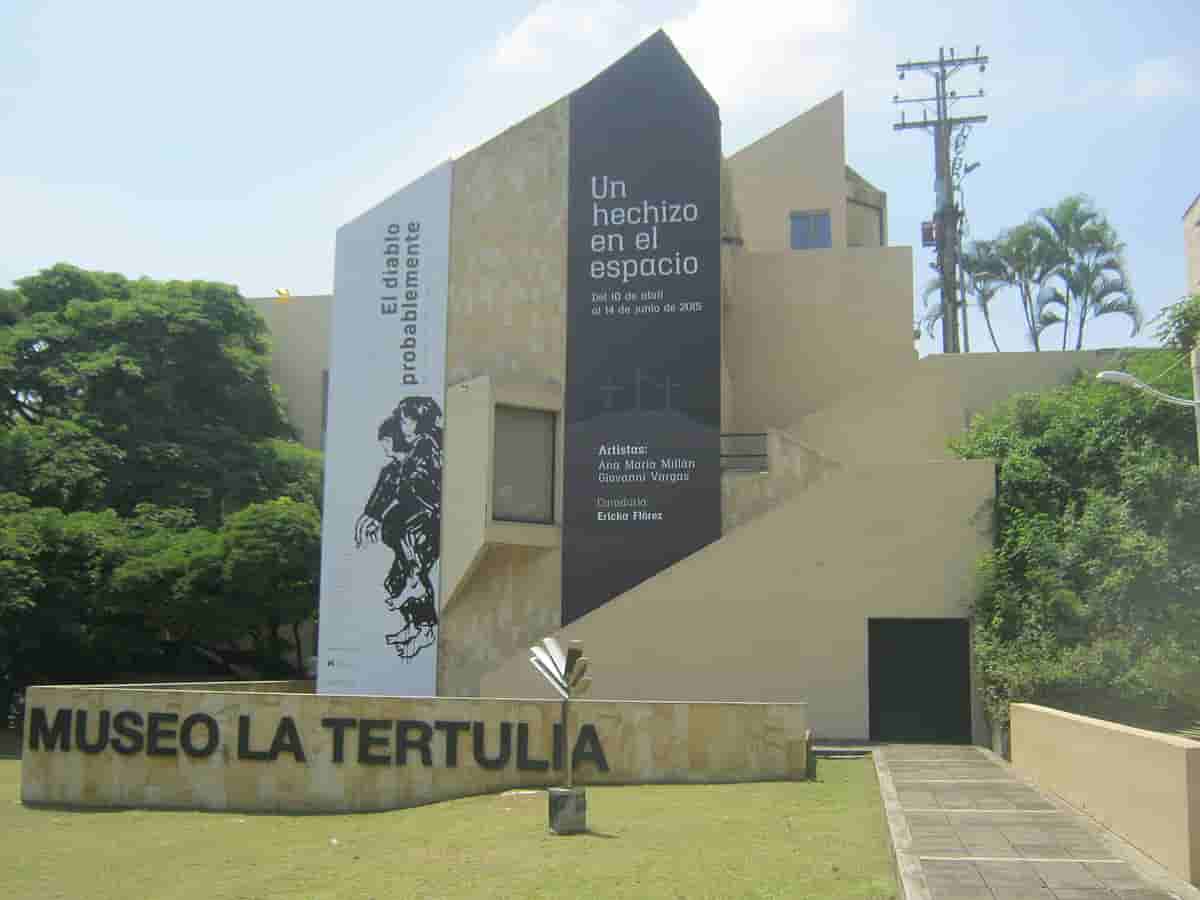
La Tertulia Museum
A modern art museum featuring contemporary Colombian and international works.
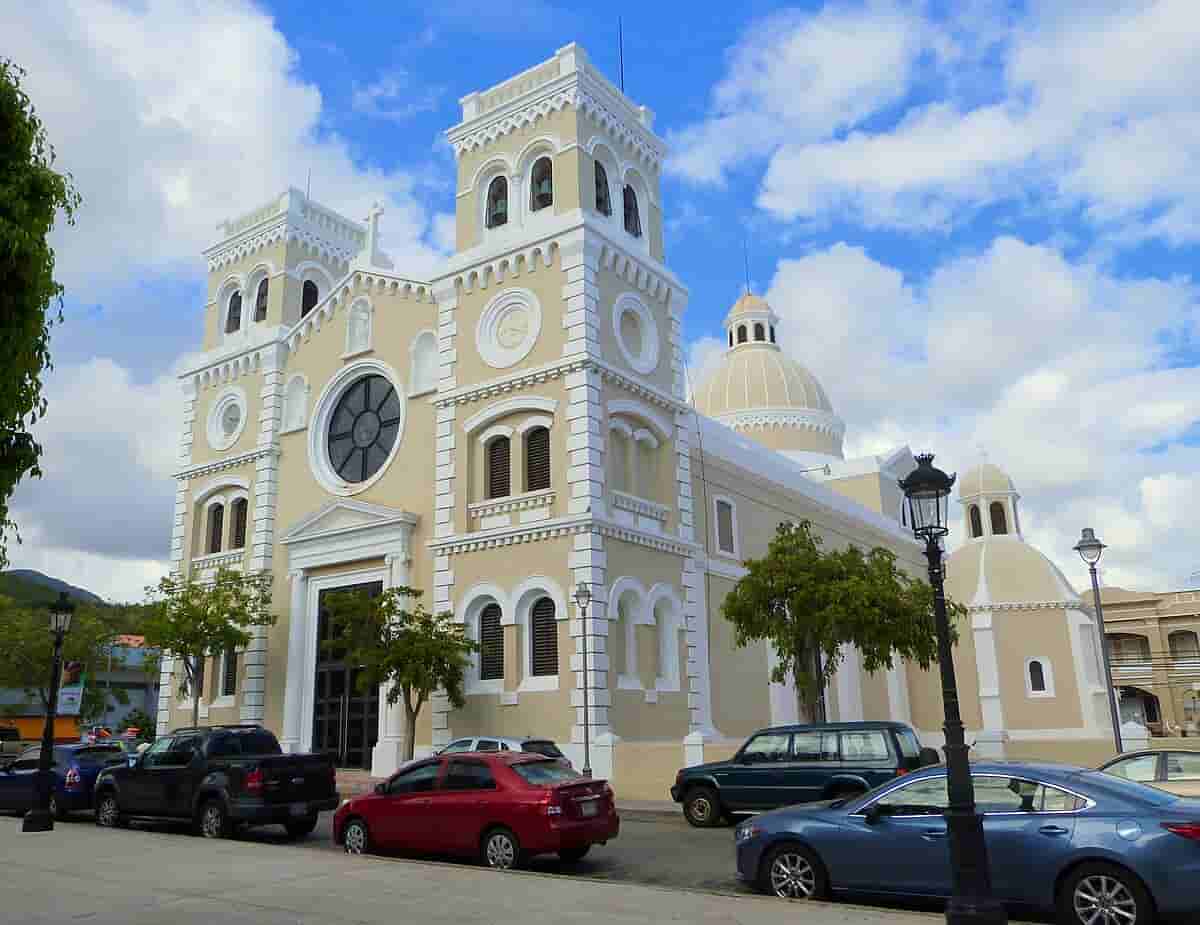
Iglesia de San Antonio
A stunning 17th-century church with impressive colonial architecture and intricate, gold-leaf interiors.
Museo de Arte Moderno La Tertulia
A renowned art museum featuring an extensive collection of contemporary Colombian and Latin American artwork.
Parque del Perro
Relax and people-watch in this lively public park, a hub of local culture and activity.
Chipichape Mall
A large shopping center with numerous stores, a food court, and cinema.
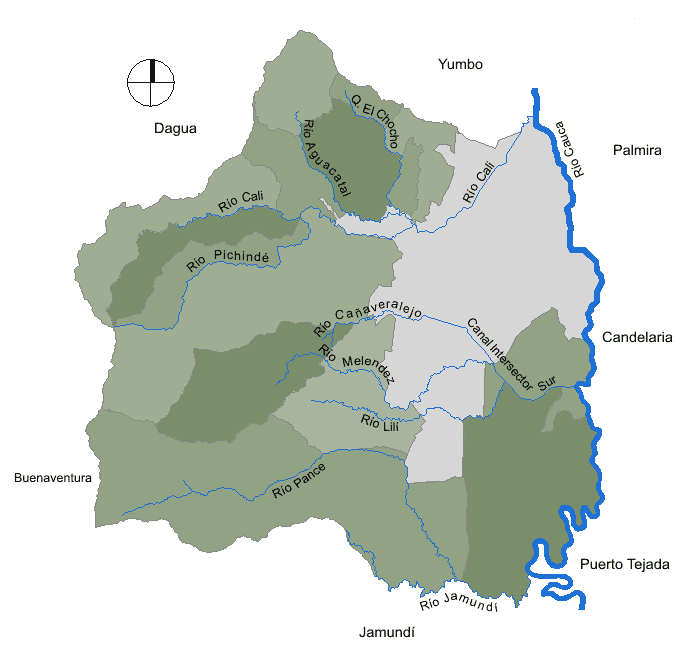
Cali River
A riverfront area with parks and walking paths, popular for leisure activities.
Iglesia La Ermita
Historic church with Gothic architecture
Caliwood Museum
Museum dedicated to the history of cinema in Colombia.
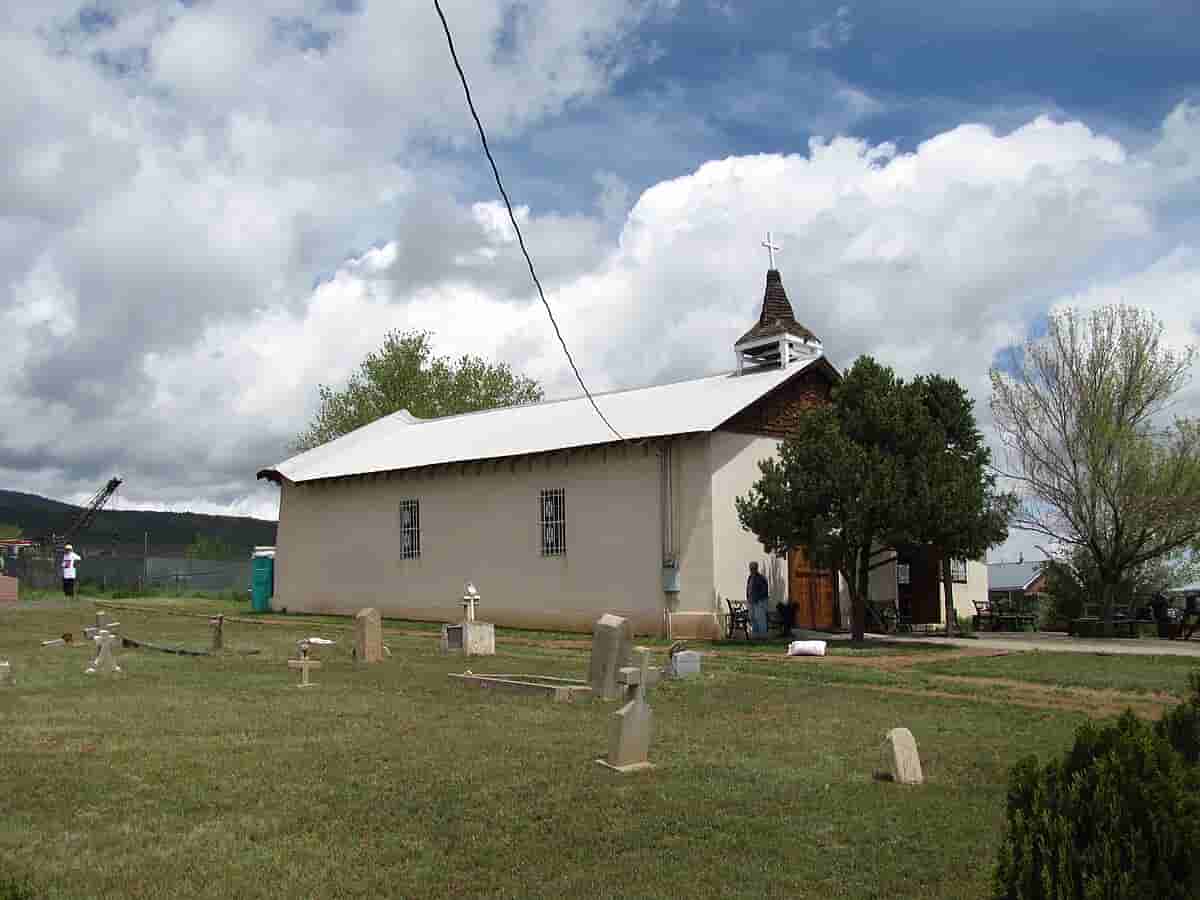
San Antonio Church
Historic church known for its colonial architecture and cultural significance.
Cristo Rey
Large statue of Christ on a hill offering panoramic views of Cali.
🏘️ Neighborhoods
San Antonio
A charming, bohemian hilltop neighborhood with colonial architecture, cobblestone streets, art galleries, and cozy cafes. Home to the iconic San Antonio Park and church.
Granada
The city's most upscale and trendy district, known for its vibrant nightlife around Parque del Perro, high-end restaurants, boutique hotels, and designer shopping.
El Centro (Historic Center)
The bustling downtown heart of Cali, featuring historic landmarks like La Ermita church, the Cathedral, and important plazas. Best visited during the day.
Zona Rosa (Santa Teresita)
A modern commercial and entertainment zone adjacent to Granada, packed with shopping malls, chain restaurants, cinemas, and business hotels.
San Fernando
A quiet, residential neighborhood with a village-like feel, known for its excellent local restaurants (fondas) and proximity to the Cali River parklands.
Juanchito
Located across the Cali River, this is the undisputed epicenter of salsa nightlife, with massive, famous clubs that draw crowds from across the city and country.
Ciudad Jardín
A green, planned residential area in the south, home to the Cali Zoo, the Unidad Deportiva sports complex, and several universities.
🍽️ Local Cuisine
Cali's cuisine is a hearty and flavorful reflection of the surrounding agricultural heartland. The undisputed star is sancocho de gallina, a rich chicken stew with potatoes, corn, and plantains, often considered a weekend ritual. Other must-try dishes include chontaduro (peach palm fruit served with salt and honey), lulada (a refreshing drink made from lulo fruit), and empanadas vallunas (deep-fried corn turnovers with a savory filling). For a quick, delicious bite, seek out pandebono, a warm cheese bread. The dining culture is casual and social. The upscale Zona Rosa and Parque del Perro areas are lined with trendy restaurants and bars, while the city's many fondas offer authentic, home-style meals at budget prices. Street food is abundant and safe if chosen from busy vendors. A typical comida corriente (set lunch) offers incredible value. Tipping around 10% is customary in sit-down restaurants.
💡 Local Tips
🚗 Day Trip Ideas
Hacienda El Paraíso
A beautifully preserved 19th-century sugarcane estate and museum, famous as the setting for the classic novel 'María'.
Pance River & Farallones de Cali
Escape to the cool, clear waters of the Pance River at the foothills of the Farallones mountains for hiking and picnicking.
Buga (Basilica del Señor de los Milagros)
A major pilgrimage site home to the stunning Basilica of the Lord of the Miracles, in a charming colonial town.
Lago Calima
A vast, windy reservoir perfect for water sports like windsurfing and kitesurfing, surrounded by scenic hills.
San Cipriano
A unique adventure to a jungle village, accessed by 'brujitas' (motorized wooden carts on railroad tracks), with river swimming and waterfalls.
🛡️ Safety Tips
Cali requires standard big-city vigilance. Stick to well-lit, populated areas like Granada, San Antonio, and the Zona Rosa, especially at night. Avoid displaying expensive jewelry, cameras, or phones openly. Use ride-sharing apps or official taxis rather than hailing cabs on the street. Be cautious in the city center (El Centro) after business hours. Common scams include overcharging taxis without meters and distracting techniques for pickpocketing in crowded areas. Keep a copy of your passport and only carry necessary cash. Emergency numbers are 123 for police and 125 for medical. Tap water in the city is generally safe to drink, but bottled water is widely available. As with any travel, having travel insurance is recommended.
💰 Budget Guide
Cali offers excellent value for travelers. Budget travelers can manage on $30-40 USD per day, staying in hostels ($10-15), eating comida corriente set lunches ($3-5), using public transport, and enjoying free attractions like parks. Mid-range travelers spending $60-100 USD per day can enjoy comfortable hotel rooms (around the $75 average), dine at nice restaurants, take taxis, and join paid tours like salsa classes or museum visits. A luxury budget of $150+ USD affords boutique hotels, fine dining, private guides, and spa treatments. Money-saving tips include taking the MIO bus, eating almuerzo ejecutivo lunches, staying in neighborhoods like San Antonio for charm without the premium price, and visiting during shoulder seasons. Many of the city's best experiences—people-watching in parks, exploring historic churches, and soaking up the atmosphere—are free.