Welcome to Cartagena
Cartagena de Indias, a radiant jewel on Colombia's Caribbean coast, is a city where history breathes through sun-bleached stone and vibrant culture pulses in the tropical air. Founded in 1533, this port city was the crown jewel of the Spanish Empire in the New World, a fact still evident in its remarkably preserved colonial architecture. Today, it's a captivating tapestry of cobblestone streets, bougainvillea-draped balconies, lively plazas, and formidable fortresses that tell tales of pirates, gold, and liberation. The city's magic lies in its contrasts: the serene, turquoise waters of the Caribbean meet the bustling energy of its streets; the solemnity of ancient churches stands beside the rhythmic beats of champeta music. With a robust tourism infrastructure offering 212 hotels, from charming boutique stays in historic mansions to modern beachfront resorts, Cartagena seamlessly caters to every traveler's dream. Whether you're wandering the iconic walled city, savoring fresh ceviche by the sea, or dancing the night away in Getsemaní, Cartagena promises an unforgettable immersion into the soul of the Colombian Caribbean.
Overview
Cartagena is a living museum and a vibrant cultural hub, famously known for its UNESCO World Heritage-listed Old Town, the Ciudad Amurallada (Walled City). Its history is one of wealth, conquest, and resilience. As the main port for Spanish treasure fleets, it was a constant target for pirates, leading to the construction of massive fortifications like the formidable Castillo San Felipe de Barajas and the iconic city walls. The city played a pivotal role in Colombia's struggle for independence, with Simón Bolívar famously dubbing it 'La Heroica.' Culturally, Cartagena is a fusion of Spanish, Indigenous, and African influences, evident in its music, cuisine, and festivals like the Cartagena International Music Festival and the colorful Independence celebrations in November. The city is divided into distinct districts: the historic Walled City (El Centro) with its palaces and churches; the trendy, artistic Getsemaní neighborhood, brimming with street art and nightlife; the modern beachfront strip of Bocagrande with its high-rises; and the more tranquil residential areas of Manga and Castillogrande. It's famous for its romantic ambiance, incredible seafood, and as a gateway to the idyllic Rosario Islands.
🗓️ Best Time to Visit
Cartagena enjoys a tropical climate year-round, with warm temperatures consistently in the 80s and 90s Fahrenheit. The best time to visit is during the dry season, from December to April, when rainfall is minimal and sunny days are almost guaranteed. This is also the peak tourist season, so expect higher prices and larger crowds, especially around Christmas, New Year, and the Holy Week (Semana Santa) festivities. The period from June to August sees a brief drier spell, making it another popular window. The rainy season runs from May to November, with October typically being the wettest month. While afternoon showers are common, they are usually brief, and this off-peak period offers lower hotel rates and fewer tourists. Major events include the Hay Festival of literature in January, the International Music Festival in January, the Cartagena Film Festival in March, and the Independence Day celebrations in November. For a balance of good weather and manageable crowds, consider the shoulder months of late April, May, or early December.
🌤️ Weather & Climate
Cartagena has a tropical savanna climate with consistently hot and humid weather year-round. Temperatures show little variation, but rainfall defines two main seasons: a distinct dry season and a wet season with heavy but often short-lived downpours.
Seasons
Dry Season
💨 Humidity: moderate
Sunny, hot days with very little rain. Ideal for beach days and outdoor exploration. Peak tourist season.
Wet Season
💨 Humidity: high
Hot and very humid with frequent, intense afternoon thunderstorms. Lush greenery. Lower tourist crowds and prices.
Monthly Weather Details
January Weather
Best for: beach, sightseeing
February Weather
Best for: beach, sightseeing
March Weather
Best for: beach, sightseeing
April Weather
Best for: beach, sightseeing
May Weather
Best for: indoor activities, cultural visits
June Weather
Best for: indoor activities, cultural visits
July Weather
Best for: beach (brief dry spell), sightseeing
August Weather
Best for: beach (brief dry spell), sightseeing
September Weather
Best for: indoor activities, cultural visits
October Weather
Best for: indoor activities, cultural visits
November Weather
Best for: indoor activities, cultural visits
December Weather
Best for: beach, sightseeing
🎒 What to Pack
All Year Round
- lightweight clothing
- sunglasses
- sunscreen (high SPF)
- hat
- reusable water bottle
- comfortable walking shoes
- swimsuit
🚗 Getting Around
Within the compact Walled City and Getsemaní, walking is the absolute best way to explore. The streets are made for strolling, allowing you to discover hidden plazas and architectural details. For longer distances, taxis are plentiful, inexpensive, and should be metered; always confirm the fare or ensure the meter is running before starting your journey. Ride-sharing apps like Uber and Didi operate reliably. Local buses are very cheap but can be crowded and confusing for visitors; they are best for adventurous travelers heading to outer neighborhoods. For a fun and iconic experience, hire a horse-drawn carriage (coche) for a romantic tour of the Old City at night, but negotiate the price upfront. Biking is possible, especially along the Bocagrande beachfront, but be cautious in the busy historic center. For airport transfers, taxis are readily available at the Rafael Núñez International Airport (CTG), about a 15-minute ride to the Old Town. Private transfers can also be arranged through hotels.
🎯 Top Attractions
Walled City of Cartagena
The historic old town, a UNESCO World Heritage site with colorful colonial buildings and cobbled streets.
San Felipe de Barajas Castle
Impressive hilltop fortress with sweeping views of the harbor and city.
Getsemaní Neighborhood
Wander through this vibrant, artistic district known for its colorful murals and lively nightlife.
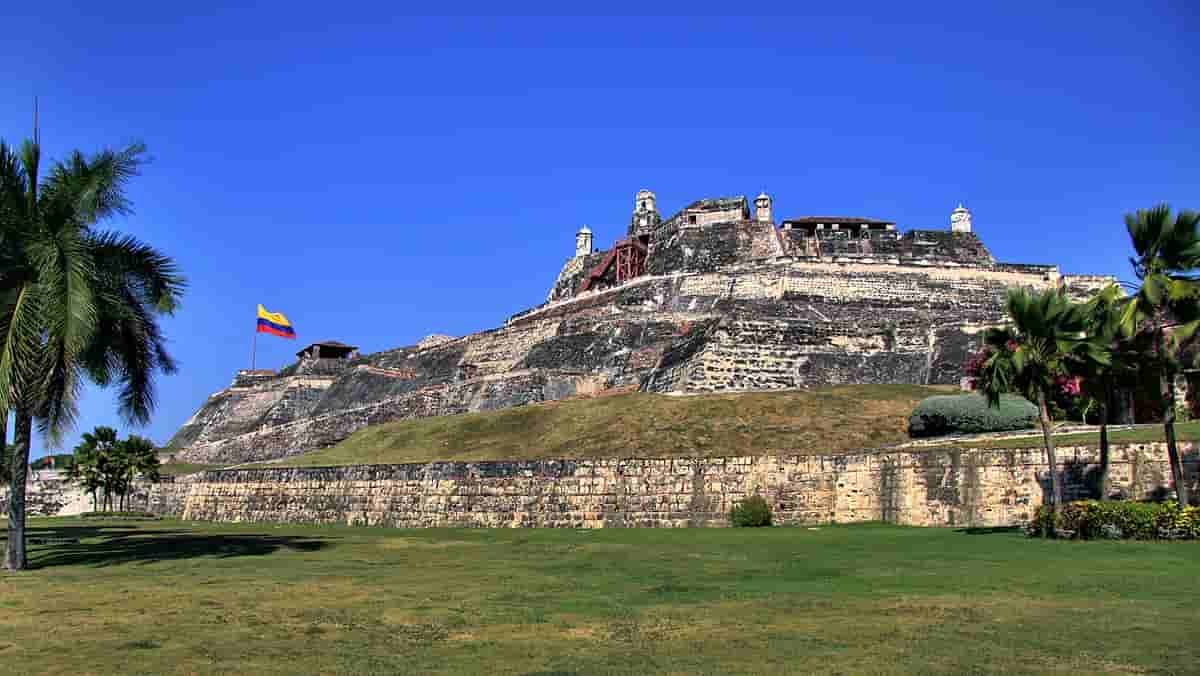
Castillo San Felipe de Barajas
A well-preserved 17th-century fortress with stunning views of the Caribbean Sea and the historic old town.
Old Town Cartagena
A UNESCO World Heritage Site renowned for its colorful colonial architecture and historic sites.
Bocagrande Beach
A vibrant, palm-fringed beach perfect for swimming, sunbathing, and enjoying the lively beachfront promenade.
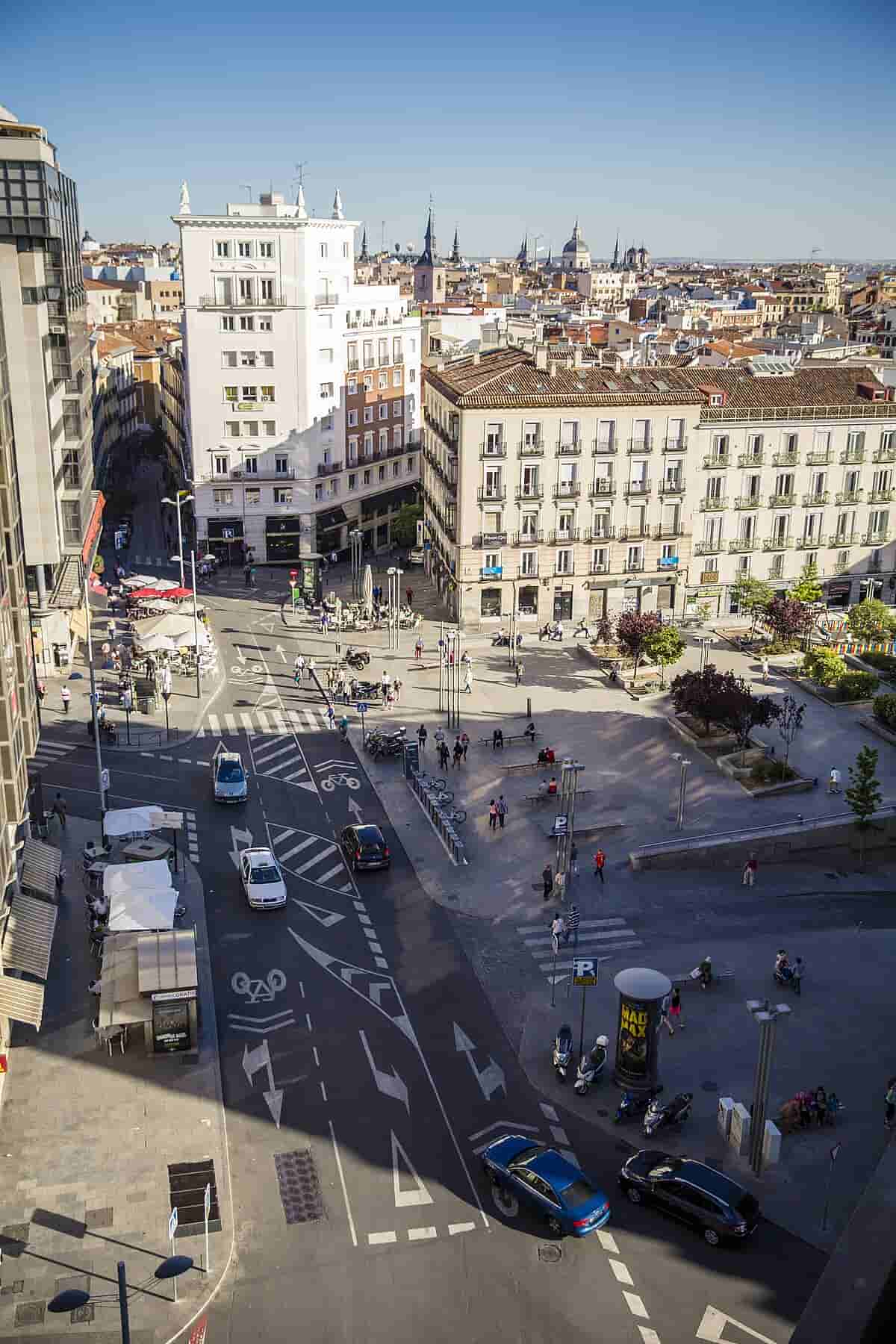
Plaza de Santo Domingo
A lively square in the old city with restaurants, street performers, and the famous 'Gertrudis' statue.
Castillo de San Felipe de Barajas
An impressive 17th-century fortress offering stunning city views and a glimpse into Cartagena's rich history.

Old City Walls
Well-preserved colonial fortifications surrounding the historic center.
Castillo San Felipe
Large fortress with tunnels and panoramic views.
San Pedro Claver Church
Historic church with colonial architecture
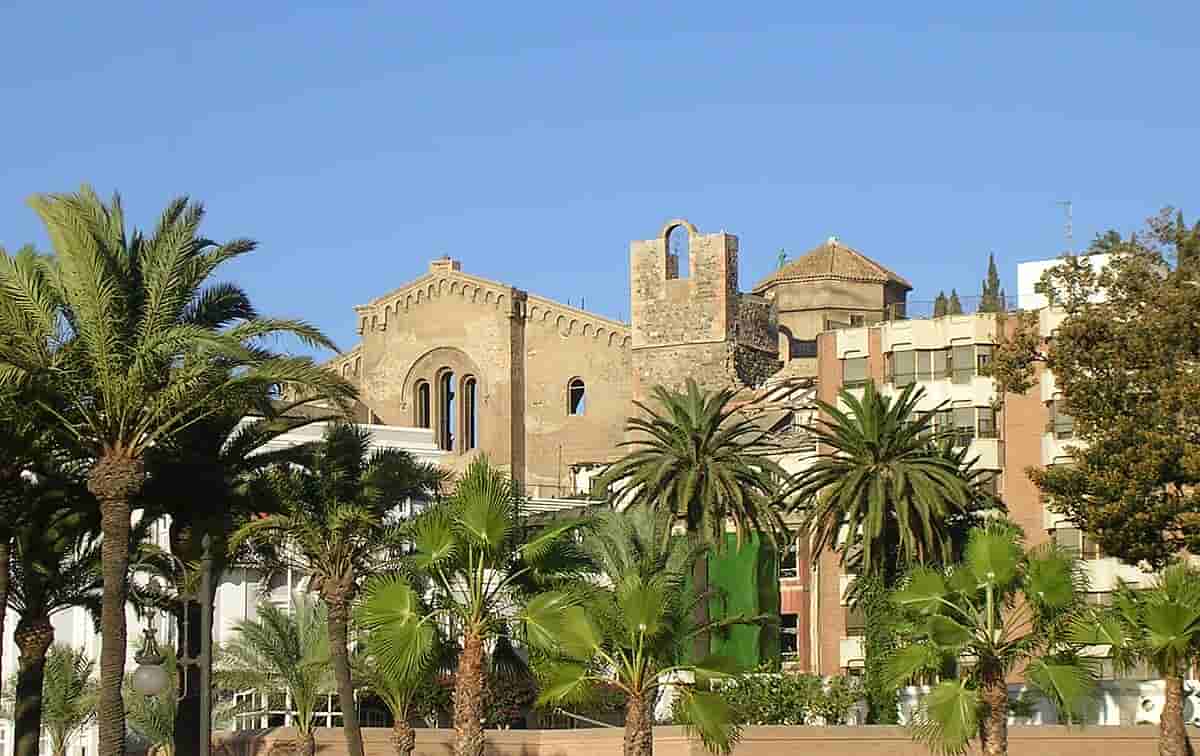
Cartagena Cathedral
Grand cathedral in the historic center, known for its golden altar.
🏘️ Neighborhoods
El Centro (Walled City)
The historic heart, a UNESCO site enclosed by massive stone walls. Features colonial architecture, grand churches, luxury hotels, fine dining, and charming plazas.
Getsemaní
The once-gritty, now-trendy neighborhood just outside the walls. Bursting with vibrant street art, hip hostels, casual eateries, and the city's best nightlife.
Bocagrande
The modern beachfront strip lined with high-rise hotels, apartments, and shopping malls. Offers a Miami-like vibe with a long, bustling beach and calmer waters.
Castillogrande
An affluent, quieter residential peninsula adjacent to Bocagrande. Features luxury apartments, a more exclusive beach club atmosphere, and upscale dining options.
Manga
A relaxed, mostly residential neighborhood on a peninsula, known for its beautiful early 20th-century architecture and views of the lagoon. Fewer tourists, more local life.
La Boquilla
A fishing village north of the city, offering a glimpse into Afro-Colombian culture. Known for its thatched-roof restaurants on the water (palafitos) and mangrove canoe tours.
🍽️ Local Cuisine
Cartagena's cuisine is a delicious reflection of its coastal location and cultural melting pot. Signature dishes center on fresh seafood and coconut. Must-try foods include 'ceviche' (citrus-marinated seafood), 'arroz con coco' (coconut rice), and 'posta negra cartagenera' (a slow-cooked beef dish in a sweet sauce). 'Arepas de huevo' (fried corn cakes with an egg inside) are a beloved street food snack. For a unique experience, seek out 'cazuela de mariscos' (seafood stew) or 'sancocho de pescado' (fish soup). Dining culture is social and relaxed. You'll find everything from casual 'palenqueras' (fruit sellers in colorful dresses) offering tropical fruits to upscale restaurants in colonial courtyards. Popular food areas include the streets of Getsemaní for trendy cafes and bars, the walled city for romantic dining, and the Mercado Bazurto for an authentic (and chaotic) local market experience. Price ranges vary widely: a street snack can cost under $2, a casual meal $5-15, and a fine-dining experience $30-50 per person. Tipping 10% is customary in sit-down restaurants.
💡 Local Tips
🚗 Day Trip Ideas
Islas del Rosario
A stunning archipelago of coral islands within a national park. Perfect for snorkeling, diving, and relaxing on white-sand beaches with crystal-clear water.
Volcán de Lodo El Totumo
A unique experience at a small mud volcano. Bathe in the warm, dense mineral mud believed to have therapeutic properties, then wash off in a nearby lagoon.
Playa Blanca (Barú)
A famous stretch of beautiful white-sand beach on the Barú Peninsula. Can be crowded but offers picture-perfect Caribbean scenery and fresh seafood shacks.
San Basilio de Palenque
A historically significant town, the first free African settlement in the Americas. A UNESCO site offering deep cultural immersion into Palenquero music, language, and traditions.
La Boquilla & Ciénaga de la Virgen
Explore the fishing village and take a guided canoe tour through the tranquil mangrove forests, spotting birds and learning about the local ecosystem.
Santa Cruz de Mompox
A much longer but highly rewarding trip for history buffs. A beautifully preserved colonial town on the Magdalena River, frozen in time and another UNESCO World Heritage site.
🛡️ Safety Tips
Cartagena is generally safe for tourists, especially in the well-patrolled historic center, Getsemaní, and Bocagrande. However, standard precautions are essential. Be vigilant for pickpockets and bag-snatchers in crowded areas like markets, plazas, and beaches. Common scams include overcharging in taxis (use meters), fake tour operators, and street games like the 'shell game.' Avoid flashing expensive jewelry or electronics. Be cautious in less touristy areas, especially at night. Stick to well-lit, populated streets. Only take official taxis or use ride-sharing apps. Emergency numbers are 123 for police, 125 for ambulance, and 132 for fire. Drink bottled water to avoid stomach issues. Use insect repellent to guard against mosquitoes. Overall, exercising common sense and staying aware of your surroundings will ensure a safe and enjoyable visit.
💰 Budget Guide
Cartagena can cater to various budgets. For budget travelers, expect to spend $40-60 USD per day. This covers a hostel dorm ($15-25), street food and cheap meals ($10-15), local buses and walking ($5), and free/low-cost activities like exploring the walls and plazas. Mid-range travelers should budget $80-150 USD daily. This allows for a private room in a boutique hotel or a mid-range chain ($50-100), sit-down restaurant meals ($20-30), taxis and a few tours ($15-20), and paid attractions like castle entry. Luxury travelers can spend $200+ per day on beachfront suites, fine dining, private guides, boat trips to islands, and spa treatments. Money-saving tips: visit in the wet season for lower hotel rates, eat 'menu del día' (set lunch) at local restaurants, negotiate prices for souvenirs, walk everywhere in the Old City, and take shared vans to the airport. Many of the city's greatest pleasures—people-watching in plazas, admiring architecture, and enjoying the sunset from the walls—are completely free.