Welcome to Gyeongju-si
Step into Gyeongju-si, the 'museum without walls,' where the very soil breathes the history of a thousand-year kingdom. Nestled in the Gyeongsangbuk region of South Korea, this coastal city was the resplendent capital of the ancient Silla Dynasty, a fact evident in the countless burial mounds, temple ruins, and stone pagodas that dot its landscape. Unlike any other destination in the country, Gyeongju offers a profound journey back in time, where royal tombs rise like gentle hills in city parks and national treasures are found around everyday street corners. Its unique charm lies in this seamless blend of monumental heritage with serene, livable spaces. With approximately 600 hotels catering to every style, from traditional hanok stays to modern business suites, finding a comfortable base to explore this UNESCO World Heritage site is effortless. Whether you're marveling at the sunrise over the East Sea from a mountaintop grotto or sipping tea beside a lotus-filled pond, Gyeongju promises an immersive escape into Korea's golden age.
Overview
Gyeongju's story is the story of the Silla Dynasty (57 BCE–935 CE), which unified the Korean peninsula and fostered a brilliant cultural flowering. For nearly a millennium, the city was the political and cultural heart of Korea, leaving behind an archaeological legacy so dense it's designated collectively as the Gyeongju Historic Areas. The city is famous for its vast tumuli parks—grassy knolls that are actually royal tombs—and its unparalleled Buddhist art and architecture, exemplified by the sublime Bulguksa Temple and the serene Seokguram Grotto. Modern Gyeongju is divided into key areas: the central Bomun Lake Resort, a built-up tourist zone with hotels and convention centers; the historic downtown core around Tumuli Park and the Gyeongju National Museum; and the quieter eastern foothills housing major temple sites. The city's culture is one of deep reverence for its past, celebrated through festivals, traditional crafts, and a generally slower, more contemplative pace of life compared to Seoul or Busan.
🗓️ Best Time to Visit
The best times to visit Gyeongju are during the mild and colorful seasons of spring (April to early June) and autumn (September to November). Spring brings comfortable temperatures, blooming cherry blossoms (typically early April), and the Gyeongju Cherry Blossom Marathon. Autumn offers crisp air, brilliant foliage, and clear skies perfect for photography. Summer (July-August) is hot, humid, and rainy, coinciding with the peak domestic tourism season and major festivals like the Gyeongju Silla Cultural Festival in October, which actually falls in autumn. While summer is vibrant, be prepared for crowds and occasional downpours. Winter (December-February) is the off-peak season; it's cold and dry, with fewer tourists, offering a stark, peaceful beauty and the chance to see historic sites dusted with snow. Hotel rates are most favorable in winter and during the week outside of major holidays and festival periods.
🌤️ Weather & Climate
Gyeongju has a temperate climate with four distinct seasons. Summers are hot and humid with significant rainfall from the East Asian monsoon, while winters are cold and relatively dry, with occasional snowfall.
Seasons
Spring
💨 Humidity: moderate
Mild and pleasant, with blooming flowers. Ideal for outdoor sightseeing.
Summer
💨 Humidity: high
Hot, humid, and rainy, especially in July. Pack an umbrella and light, breathable clothing.
Autumn
💨 Humidity: moderate
Cool, crisp, and sunny with stunning fall foliage. Perfect for photography and hiking.
Winter
💨 Humidity: low
Cold and dry, with occasional snow. Fewer tourists but requires warm winter gear.
Monthly Weather Details
January Weather
Best for: indoor museums, peaceful site visits
February Weather
Best for: early spring temple visits
March Weather
Best for: sightseeing as weather warms
April Weather
Best for: cherry blossom viewing
May Weather
Best for: hiking and all outdoor activities
June Weather
Best for: early summer festivals, indoor/outdoor mix
July Weather
Best for: cultural festivals, but prepare for rain
August Weather
Best for: beach trips to nearby coast
September Weather
Best for: comfortable sightseeing
October Weather
Best for: fall foliage and the Silla Festival
November Weather
Best for: hiking and historical tours
December Weather
Best for: uncrowded site visits, winter scenery
🎒 What to Pack
All Year Round
- comfortable walking shoes
- power adapter
- sunscreen
🚗 Getting Around
Gyeongju is a sprawling city best navigated with a mix of transport. An extensive local and intercity bus network connects all major attractions, with fares around 1,500 KRW per ride. Taxis are plentiful and affordable for shorter trips within the city center. For maximum flexibility, especially to reach more remote sites like Bulguksa Temple and Seokguram Grotto, consider renting a car or a bicycle. The city is very bike-friendly, with dedicated paths, particularly around Bomun Lake. Walking is a delight in the compact historic downtown area encompassing Tumuli Park, Cheomseongdae, and Wolji Pond. The nearest major airport is in Daegu (about an hour by express bus or taxi) or Busan's Gimhae Airport (about 90 minutes). Direct express buses and trains (KTX at Singyeongju Station) connect Gyeongju to Seoul and other major cities. Once in Gyeongju, a tourist shuttle bus, the 'Gyeongju City Tour Bus,' loops to all key sights on a convenient schedule.
🎯 Top Attractions
Bulguksa Temple
A UNESCO World Heritage Site featuring stunning Buddhist architecture and sculptures dating back to the 8th century.
Seokguram Grotto
A UNESCO World Heritage Site, featuring a stunning 8th-century Buddhist temple carved into the side of a mountain.
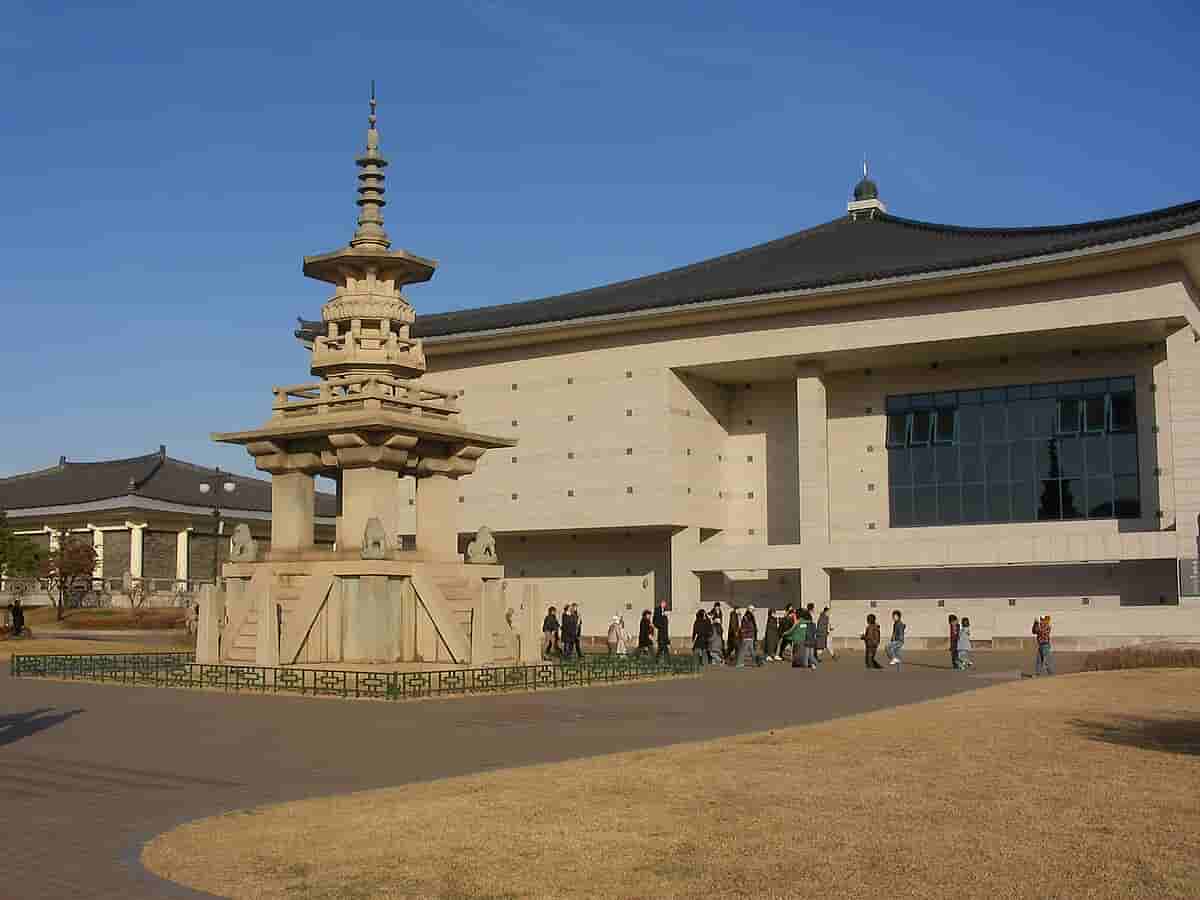
Gyeongju National Museum
A world-class museum showcasing the rich cultural heritage of the ancient Silla Kingdom, with impressive displays of artifacts and historical relics.
Cheomseongdae Observatory
The oldest surviving astronomical observatory in East Asia, dating back to the Silla Dynasty.
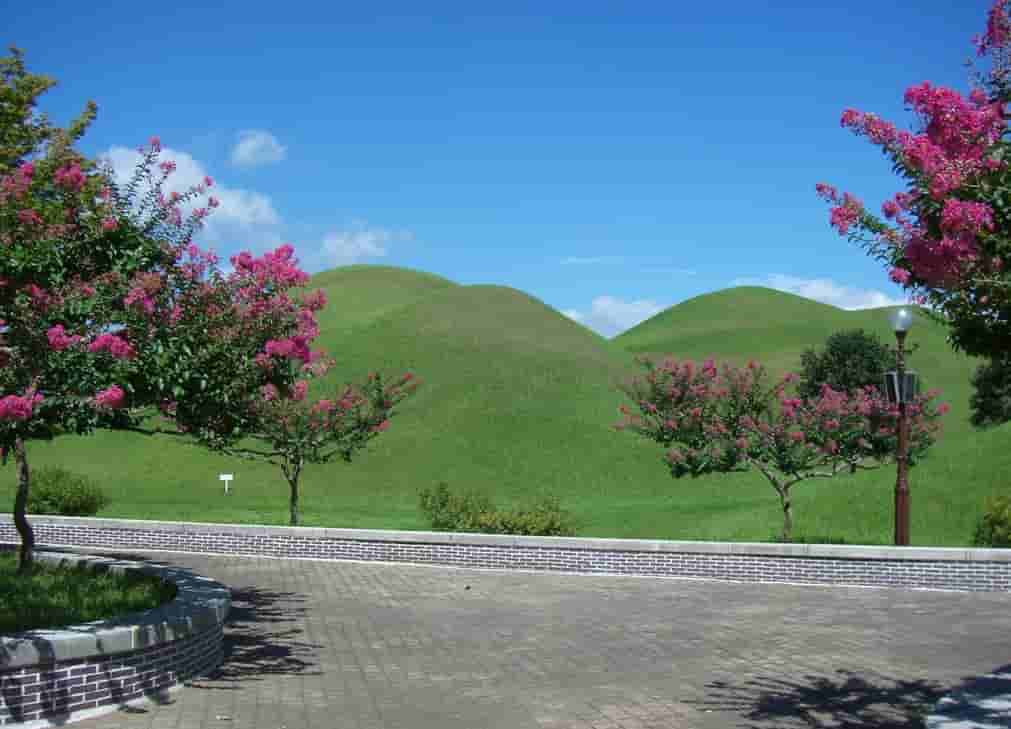
Gyeongju Historic Areas
A UNESCO World Heritage site encompassing numerous temples, palaces, and ruins of the Silla capital.
Tumuli Park
A park containing large ancient burial mounds of Silla kings and nobility.
Gyeongju Donggung Palace and Wolji Pond
A historic palace site with a picturesque pond, beautifully illuminated after dark.
Daereungwon Tomb Complex
An ancient burial ground with large grassy mounds containing royal tombs from the Silla period.
Anapji Pond
A picturesque, historic pond surrounded by beautiful gardens and the remains of a royal palace from the Silla dynasty.
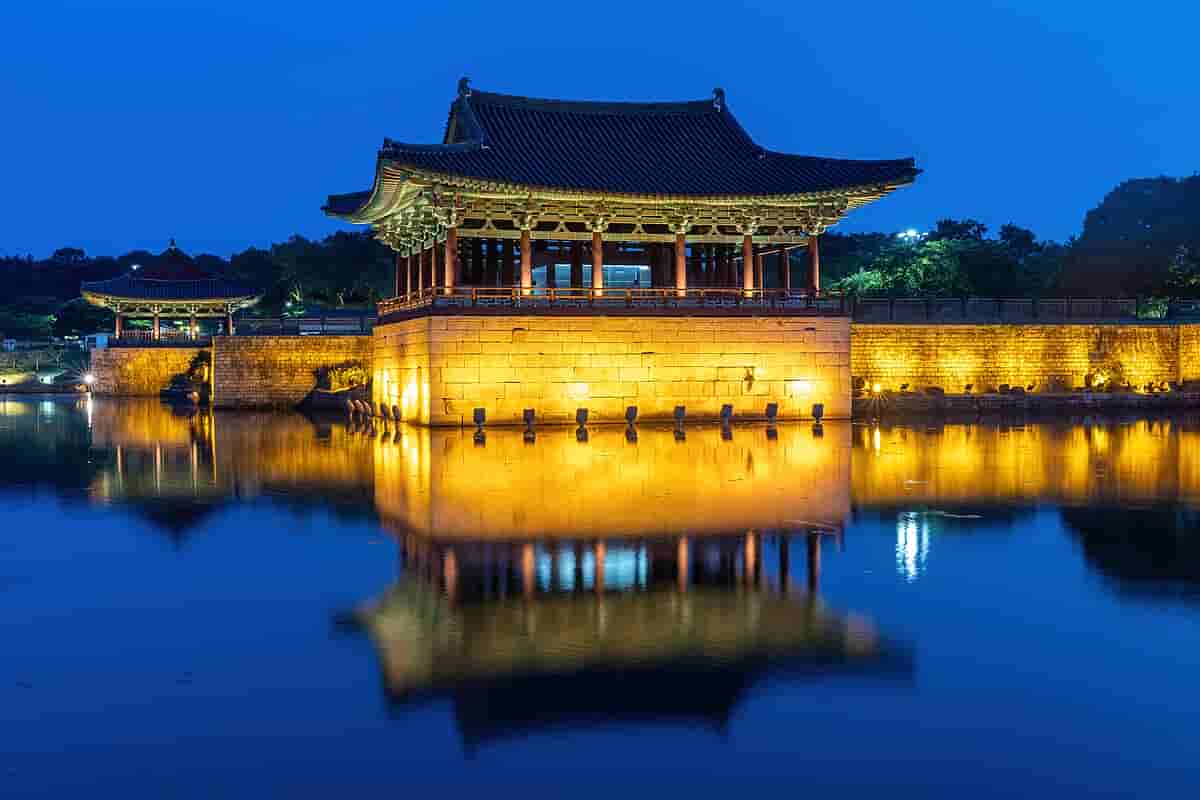
Donggung Palace and Wolji Pond
Historic palace complex with a picturesque pond, beautifully lit at night.
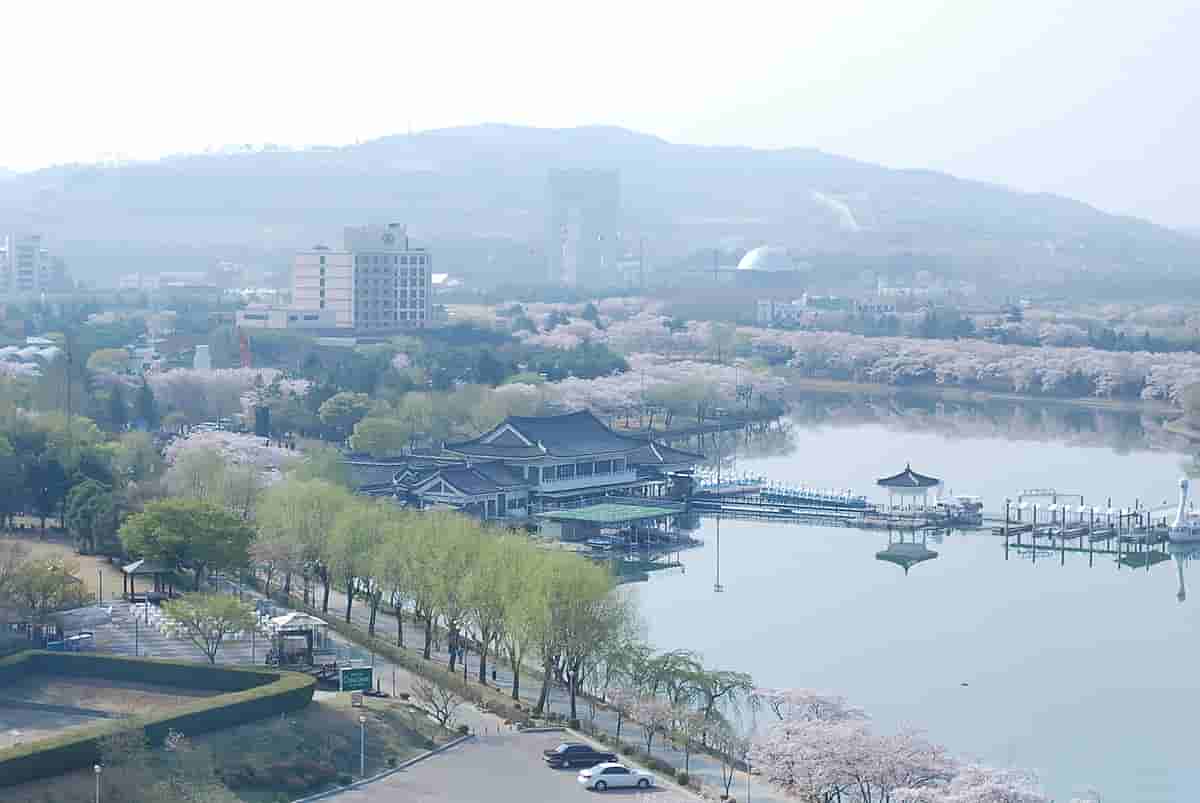
Bomun Lake Resort
A large tourist complex around a scenic lake, offering biking, walking paths, and cultural performances.
Gyeongju World Culture Expo Park
A park hosting cultural events and exhibitions, with beautiful grounds and sculptures.
🏘️ Neighborhoods
Bomun Lake Resort
A built-up tourist complex centered on a large artificial lake. Home to many hotels, a convention center, golf courses, and recreational facilities.
Historic Downtown (Tumuli Park Area)
The heart of ancient Silla, packed with burial mounds, observatories, and ponds. Walking distance to major sites like Cheomseongdae and Daereungwon.
Hwangnidangil (Cherry Blossom Street)
A picturesque street lined with traditional hanok buildings, cafes, souvenir shops, and bakeries famous for Gyeongju bread. Especially beautiful in spring.
Bulguksa Temple Area
Located in the eastern foothills of Mt. Toham. A quieter area focused on the UNESCO-listed temple and the nearby Seokguram Grotto. More rural atmosphere.
Central Gyeongju (Jungang-dong)
The modern city center with administrative buildings, bus terminals, Jungang Market, and everyday services. Fewer tourists, more local life.
Singyeongju Station Area
The modern high-speed KTX train station district, about 15 minutes from the historic center. Developing with new hotels and amenities for transit-oriented visitors.
🍽️ Local Cuisine
Gyeongju's cuisine is a royal legacy of the Silla Dynasty, emphasizing hearty, flavorful dishes. The must-try signature is Gyeongju ppang (Gyeongju bread), a small, red bean-filled pastry sold hot from countless bakeries, most famously in the Hwangnidangil area. Other specialties include hansik jeongsik (Korean table d'hôte), a lavish multi-course meal; Gyeongju-style ssambap (lettuce wraps with rice and side dishes); and chalboribbang (glutinous rice bread). For a unique experience, visit a traditional hanok restaurant in the historic district. The Gyeongju Gyodong Ssambap Street is famous for its wrap restaurants. Dining is casual, and sharing dishes is common. Meals range from cheap street food (under 5,000 KRW) to mid-range restaurant meals (10,000-25,000 KRW per person) and upscale traditional feasts. Etiquette is standard Korean: wait for elders to start, use both hands when receiving or giving, and don't stick chopsticks upright in rice.
💡 Local Tips
🚗 Day Trip Ideas
Ulsan
Industrial powerhouse with beautiful natural sites like the Daewangam Park bamboo forest and the Jangsaengpo Whale Museum.
Pohang
Coastal city famous for its steel industry, Homigot Sunrise Plaza (first sunrise in mainland Korea), and fresh seafood at Jukdo Market.
Andong Hahoe Folk Village
UNESCO-listed traditional village showcasing Joseon Dynasty architecture and home to the famous Hahoe masks. A living history museum.
Busan
Korea's vibrant second city, offering bustling markets (Jagalchi), beautiful beaches (Haeundae), and the colorful Gamcheon Culture Village.
Daegu
A major metropolitan city known for its textile industry, medicinal herb market (Yangnyeongsi), and the serene Donghwasa Temple.
🛡️ Safety Tips
Gyeongju is an exceptionally safe city with very low crime rates. Violent crime against tourists is rare. Standard precautions apply: be aware of your belongings in crowded tourist areas and on public transport. There are few common scams targeting tourists. The main areas of caution are traffic when walking or cycling, and natural hazards when hiking on mountain paths to sites like Seokguram—wear proper footwear. Emergency numbers are 112 for police and 119 for fire and medical services. English-speaking operators may be limited, so having your hotel concierge assist is helpful. Tap water is safe to drink, though most locals drink bottled or filtered water. Pharmacies ("yakguk") are widely available for minor ailments. No special vaccinations are required. Healthcare facilities are modern, with major hospitals in Daegu for serious issues.
💰 Budget Guide
Gyeongju is moderately priced. A budget traveler can manage on 50,000-70,000 KRW per day: stay in a hostel or guesthouse (25,000-40,000 KRW), eat street food and casual meals (15,000 KRW), use buses (5,000 KRW), and visit many free historic sites. Mid-range travelers spending 100,000-180,000 KRW daily can enjoy a comfortable hotel (80,000-120,000 KRW), restaurant meals (25,000 KRW), taxis, and paid attractions like museum entries. Luxury budgets of 250,000+ KRW cover high-end resorts, fine dining, private tours, and car rentals. Save money by purchasing a Gyeongju Pass for discounted attraction entry, using the efficient bus system, eating Gyeongju ppang for a cheap snack, and visiting free outdoor sites like Tumuli Park. Accommodation is cheaper outside the Bomun Lake resort area and during weekdays or off-season.