Welcome to Jeju Island
Jeju Island, South Korea's volcanic gem, rises from the turquoise waters of the Korea Strait like a land of myth. Known as the 'Island of the Gods,' Jeju is a province unto itself, celebrated for its dramatic landscapes forged by Hallasan Mountain, a dormant volcano and the country's highest peak. This autonomous region offers a distinct culture, a slower pace of life, and a breathtaking natural canvas of craters, lava tubes, waterfalls, and pristine beaches. It's a haven for honeymooners, adventurers, and anyone seeking respite from the mainland's bustle. With over 2001 hotels and accommodations dotting the island, ranging from cozy guesthouses to luxury resorts, finding your perfect base to explore this UNESCO-listed natural world heritage site is effortless. Whether you're hiking to a sunrise peak, exploring subterranean lava caves, or simply breathing in the salty air on Hyeopjae Beach, Jeju promises an unforgettable escape.
Overview
Jeju Island is a special self-governing province of South Korea, formed by volcanic eruptions millions of years ago. Its history is steeped in a unique matriarchal culture centered around the Haenyeo, the iconic women divers who harvest seafood without breathing apparatus, a tradition now recognized by UNESCO. The island is famous for its three abundances: wind, rocks, and women, which speak to its rugged natural environment and resilient people. Geographically, the island is dominated by Hallasan Mountain at its center, with coastal cities like Jeju City (the capital in the north) and Seogwipo (a major city in the south) serving as main hubs. Jeju City is more urban and commercial, while Seogwipo is quieter and closer to many southern natural attractions. The island is globally renowned for its natural wonders, including the vast Hallasan National Park, the sunrise crater of Seongsan Ilchulbong, intricate lava tube systems like the Cave of Winds, and picturesque coastal formations like Yongduam Rock. It's also a place of quirky charm, home to attractions like the adults-only Jeju Loveland sculpture park.
🗓️ Best Time to Visit
The best times to visit Jeju Island are during the spring (April to June) and autumn (September to November) shoulder seasons. Spring brings mild temperatures, blooming canola flowers and cherry blossoms, and the vibrant Jeju Fire Festival. Autumn offers crisp, sunny days, vibrant foliage on Hallasan, and the Jeju Horse Festival. These periods provide ideal hiking and sightseeing weather with fewer crowds than peak summer. Summer (July-August) is the peak tourist season, with warm weather perfect for beaches and water activities, but it's also hot, humid, and prone to heavy rain and typhoons. It's crowded and prices are highest. Winter (December-March) is the off-peak season; it's cold and windy but rarely sees snow at lower elevations. It's perfect for budget travelers, with low hotel rates, and offers unique experiences like hiking snowy Hallasan or enjoying indoor attractions like museums and onsens (hot springs). Major events are seasonal: spring festivals celebrate flowers, summer hosts beach events, autumn has harvest and cultural festivals, and winter features lights and citrus fairs.
🌤️ Weather & Climate
Jeju has a humid subtropical climate, warmer and wetter than mainland Korea. It experiences four distinct seasons with mild winters, hot humid summers, and a pronounced rainy season in late June/July. Typhoons can affect the island in late summer.
Seasons
Spring
💨 Humidity: moderate
Mild and pleasant with blooming flowers. Ideal for hiking and outdoor activities.
Summer
💨 Humidity: high
Hot, humid, and rainy. Peak beach season but also typhoon season. Expect sudden downpours.
Autumn
💨 Humidity: moderate
Crisp, sunny, and comfortable. Perfect for hiking Hallasan and enjoying fall foliage.
Winter
💨 Humidity: moderate
Cold and windy, but rarely freezing at sea level. Snow is common on Hallasan mountain.
Monthly Weather Details
January Weather
Best for: indoor activities, hot springs, budget travel
February Weather
Best for: indoor activities, citrus picking
March Weather
Best for: early spring blooms, sightseeing
April Weather
Best for: cherry blossoms, hiking, festivals
May Weather
Best for: beach start, hiking, perfect weather
June Weather
Best for: beaches, but prepare for rain
July Weather
Best for: beach, water sports, monsoon season
August Weather
Best for: peak beach season, typhoon risk
September Weather
Best for: warm seas, hiking, post-typhoon
October Weather
Best for: ideal sightseeing, hiking, festivals
November Weather
Best for: fall foliage, comfortable exploring
December Weather
Best for: Christmas lights, hot springs, budget travel
🎒 What to Pack
All Year Round
- comfortable walking shoes
- layered clothing
- sunscreen
- power adapter
- reusable water bottle
🚗 Getting Around
Getting around Jeju requires planning as public transport is less comprehensive than mainland Korea. The main option is the public bus network, which covers most major attractions from Jeju City and Seogwipo intercity bus terminals. Buses are affordable (approx. 1,200-3,000 KRW per ride) but schedules can be infrequent in rural areas. For maximum flexibility, renting a car is highly recommended. An International Driving Permit is required, and driving lets you explore coastal roads and hidden gems at your own pace. Taxis are plentiful in cities and can be hailed or booked via apps like Kakao T; they are convenient for shorter trips but expensive for full-day touring. Ride-sharing is not prevalent. For airport transfers, taxis and airport limousine buses are available from Jeju International Airport to major hubs. Walking and biking are enjoyable within specific areas like Seogwipo's Jungmun Tourist Complex or along certain coastal paths, but not practical for island-wide travel. Consider tour buses for hassle-free day trips to major sites.
🎯 Top Attractions
Hyeopjae Beach
A beautiful beach with white sand and turquoise waters, popular for swimming and snorkeling.
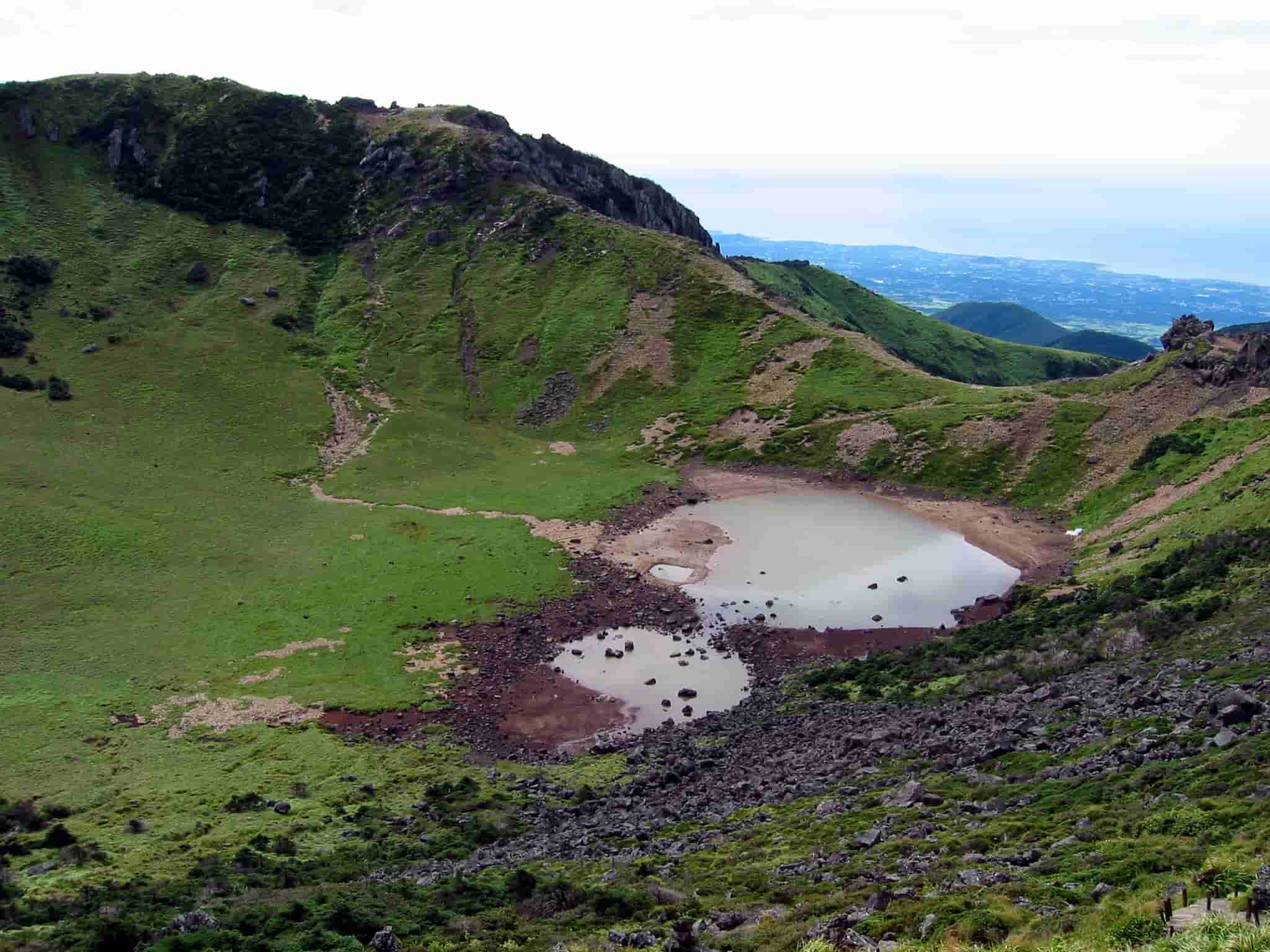
Hallasan National Park
Hike to the summit of Hallasan, Jeju Island's iconic dormant volcano and the highest mountain in South Korea.
Jeju Loveland
Unique outdoor sculpture park focused on themes of love and sensuality in a playful setting.
Hallasan Mountain
A shield volcano and the highest mountain in South Korea, offering hiking trails and scenic views.
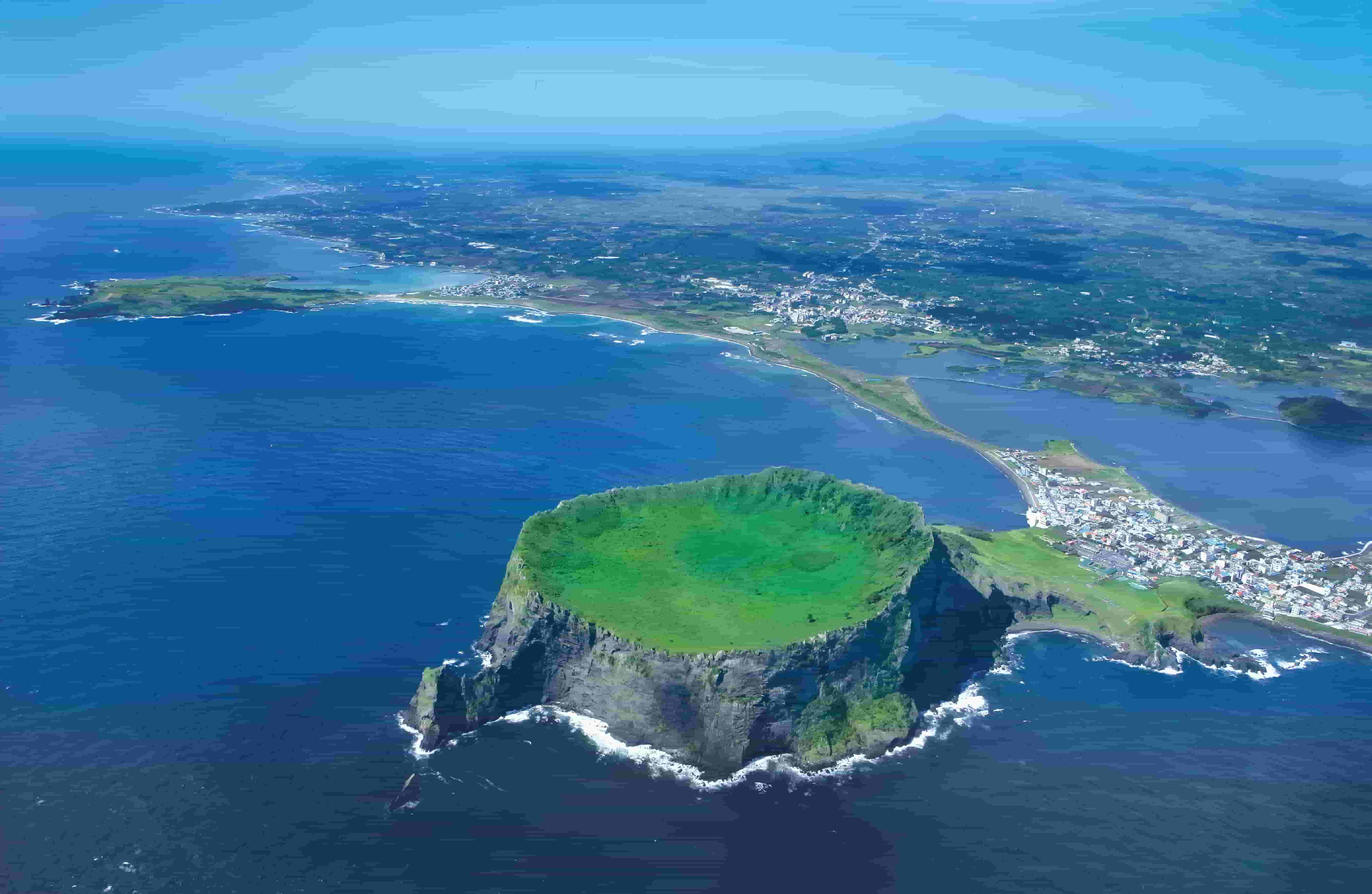
Seongsan Ilchulbong
Striking volcanic crater with a hiking trail leading to the summit and panoramic vistas of the coastline.
Jeju Folk Village
A traditional village showcasing Jeju's cultural heritage with historic houses and performances.
Yongduam Rock (Dragon Head Rock)
Unique volcanic rock formation shaped like a dragon's head, a popular photo spot.
Seopjikoji Beach
Secluded black sand beach
Jeju Cave of Winds
Natural blowhole formation
Ungchen-rock Park
Volcanic formations with hiking trails
Jeju Stone Park
A park dedicated to Jeju's volcanic stone culture, with sculptures, exhibitions, and walking paths.
OffGrid Jewels Beach
Famous beach for clear waters and sunset cruises
🏘️ Neighborhoods
Jeju City (Downtown)
The bustling capital and transport hub, home to the airport, Dongmun Market, and Yongduam Rock. Urban with a mix of modern and traditional.
Seogwipo City
The serene southern city, gateway to waterfalls, Jungmun Resort, and closer to southern coastal attractions like Cheonjiyeon Falls.
Jungmun Tourist Complex
A planned resort area in Seogwipo with luxury hotels, a beach, golf courses, museums, and duty-free shopping in a compact area.
Aewol / Hyeopjae Area
Northwest coast known for stunning white-sand beaches (Hyeopjae), trendy cafes, and picturesque coastal roads. Laid-back and scenic.
Seongsan / East Coast
Home to the iconic Seongsan Ilchulbong (Sunrise Peak) and Haenyeo diving culture. Rural and beautiful, ideal for sunrise views.
Hallasan Mountain Area
The villages and trails surrounding the central volcano. Offers secluded stays, hot springs (onsen), and direct access to hiking trails.
🍽️ Local Cuisine
Jeju's cuisine is a reflection of its island environment, emphasizing fresh seafood, black pork, and hearty mountain vegetables. The must-try signature dish is Heuk Dwaeji (black pork barbecue), from Jeju's native black pigs, known for its rich, savory flavor, best enjoyed grilled at dedicated restaurants. Another iconic meal is Jeonbok-juk (abalone porridge), a nutritious and delicately flavored rice porridge. Seafood is paramount: try raw hoe (sashimi) or grilled fish from the Haenyeo divers. Other specialties include Gogi Guksu (pork noodle soup) and Omegi Tteok, a sticky rice cake filled with sweet bean paste. Dining culture is casual, with many restaurants specializing in one dish. Popular food areas are Dongmun Traditional Market in Jeju City for street food and fresh seafood, and the Black Pork Street near City Hall. Price ranges vary: market stalls and noodle shops are budget-friendly (5,000-10,000 KRW), black pork BBQ is mid-range (15,000-30,000 KRW per person), and upscale seafood restaurants can be pricey. Etiquette is similar to mainland Korea: use both hands to receive/give items, and don't stick chopsticks upright in rice.
💡 Local Tips
🚗 Day Trip Ideas
Udo Island
A small, picturesque island off Jeju's east coast, famous for peanut ice cream, white sand beaches, and renting bicycles or quads to explore.
Hallasan National Park (Gwaneumsa Trail)
A challenging but rewarding hike to the summit of South Korea's highest peak, passing through diverse ecosystems and volcanic landscapes.
Seogwipo & Jungmun Southern Coast
Explore the southern city's waterfalls (Cheonjiyeon, Jeongbang), the Jungmun resort area, and dramatic coastal cliffs like Jusangjeollidae.
Western Jeju Loop
A scenic coastal drive or bus tour covering Hyeopjae Beach, Hallim Park, Yongmeori Coast, and the O'Sulloc Tea Museum and Innisfree Jeju House.
Manjanggul Lava Tube & Gimnyeong Maze Park
Explore one of the world's longest lava tubes, a UNESCO site, then test your wits at the nearby maze park for a fun, educational combo.
🛡️ Safety Tips
Jeju Island is extremely safe, with very low crime rates. Violent crime against tourists is rare. Standard precautions apply: secure valuables, be aware of your surroundings at night, and use hotel safes. There are few common scams, but be cautious with overpriced taxi rides (insist on meter use) or tourist-oriented shops that may inflate prices. When hiking Hallasan or other trails, stay on marked paths as weather can change rapidly; bring proper gear and check conditions. Road safety is important if driving or cycling; be mindful of scooters and pedestrians. Emergency numbers are 112 for police and 119 for fire/ambulance. For health, ensure you have travel insurance. Tap water is generally safe but most locals drink bottled water. No special vaccinations are required. Be mindful of strong currents at some beaches; only swim in designated areas with lifeguards.
💰 Budget Guide
Jeju can suit various budgets, though costs are generally lower than Seoul. A budget traveler can manage on 60,000-80,000 KRW per day: stay in hostels/guesthouses (25,000-40,000 KRW), eat at markets and casual eateries (15,000 KRW), use public buses (10,000 KRW), and enjoy free attractions like beaches and hikes. Mid-range travelers spending 120,000-200,000 KRW daily can enjoy comfortable hotels (80,000-120,000 KRW), restaurant meals including black pork BBQ (30,000 KRW), taxi rides and car rental (50,000+ KRW/day), and paid attractions. Luxury budgets of 300,000+ KRW per day cover high-end resorts, fine dining, private tours, and premium experiences. Money-saving tips: visit in winter for lowest accommodation rates, purchase a T-money card for bus discounts, eat at local markets like Dongmun, focus on free natural attractions, and consider sharing a rental car with other travelers. Many museums have free or discounted admission on certain days.