Welcome to Jeonju-si
Nestled in the heart of South Korea's Jeollabuk-do province, Jeonju-si is a captivating city where the past and present harmoniously coexist. Often celebrated as the spiritual home of Korean culture and cuisine, Jeonju offers a profound journey into the nation's soul. Its crown jewel is the sprawling Jeonju Hanok Village, a living museum of over 800 traditional Korean houses, where tiled roofs and wooden beams create a timeless skyline. This is not merely a historical relic but a vibrant community where artisans, tea masters, and families keep centuries-old traditions alive. Beyond its cultural treasures, Jeonju is a dynamic urban center, boasting a thriving arts scene, modern cafes, and a youthful energy fueled by its many universities. With a welcoming atmosphere and a staggering 538 hotels and guesthouses ranging from traditional hanok stays to modern accommodations, the city is perfectly equipped to host travelers seeking an authentic and immersive Korean experience. Whether you're wandering through ancient palace grounds, savoring the birthplace of bibimbap, or simply soaking in the serene ambiance, Jeonju promises a travel story steeped in flavor and history.
Overview
Jeonju's significance is deeply rooted as the birthplace of the Joseon Dynasty and a historical center of Confucian scholarship, earning it the nickname 'The Hometown of 1000 Years of History.' The city is globally renowned as the origin of Korea's most famous dish, bibimbap, and is a designated UNESCO City of Gastronomy. Its cultural landscape is dominated by the Jeonju Hanok Village, a vast, well-preserved district where visitors can sleep in traditional houses, wear hanbok (Korean dress), and witness crafts like paper (hanji) making. Key historical sites include Gyeonggijeon Shrine, which houses a portrait of King Taejo, founder of the Joseon Dynasty, and the striking Jeondong Catholic Church, a beautiful blend of Romanesque and Korean architectural styles. The city is also famous for its traditional Korean alcohol (makgeolli and soju), explored in depth at the Jeonju Traditional Wine Museum. Modern Jeonju thrives around the village, with districts like Ajung-dong and Palbok-dong offering contemporary shopping, dining, and entertainment, creating a delightful contrast that defines the city's unique charm.
🗓️ Best Time to Visit
The best times to visit Jeonju are during the mild and colorful seasons of spring (April to early June) and autumn (September to November). Spring brings comfortable temperatures, blooming cherry blossoms, and the vibrant Jeonju International Film Festival in May. Autumn offers crisp air, stunning fall foliage, and clear skies, perfect for exploring the hanok village on foot. Summer (July-August) is hot, humid, and rainy, coinciding with the monsoon season, though it's also when the city is lush and green. This season features events like the Jeonju Sori Festival, a celebration of traditional Korean music. Winter (December-February) is cold and dry, with occasional snow adding a magical touch to the traditional rooftops; it's the off-peak season with fewer crowds. Major annual events include the Jeonju Bibimbap Festival in October, a must for food lovers, and various lantern festivals. For ideal weather and fewer tourists, aim for late spring or early autumn.
🌤️ Weather & Climate
Jeonju experiences a temperate climate with four distinct seasons. Summers are hot and humid with significant monsoon rains, while winters are cold and relatively dry. Spring and autumn are mild and pleasant.
Seasons
Spring
💨 Humidity: moderate
Mild and comfortable weather with blooming flowers. Ideal for outdoor exploration and festivals.
Summer
💨 Humidity: high
Hot, humid, and rainy, with the monsoon in July. Can be uncomfortable but very green.
Autumn
💨 Humidity: moderate
Crisp air, clear skies, and beautiful fall foliage. The most popular time to visit.
Winter
💨 Humidity: low
Cold and dry with occasional snow. Fewer tourists but requires warm clothing.
Monthly Weather Details
January Weather
Best for: indoor cultural sites, hanok stays
February Weather
Best for: indoor cultural sites, early spring festivals
March Weather
Best for: sightseeing, early blossoms
April Weather
Best for: sightseeing, cherry blossoms
May Weather
Best for: festivals, outdoor activities
June Weather
Best for: lush greenery, indoor museums
July Weather
Best for: monsoon season, indoor activities
August Weather
Best for: lively festivals, humid exploration
September Weather
Best for: hiking, comfortable sightseeing
October Weather
Best for: fall foliage, food festivals
November Weather
Best for: cultural walks, photography
December Weather
Best for: winter scenery, cozy hanok stays
🎒 What to Pack
All Year Round
- comfortable walking shoes
- power adapter
- portable charger
🚗 Getting Around
Jeonju is a highly walkable city, especially within the compact Jeonju Hanok Village where the best experiences are found on foot. For longer distances, the city's efficient bus network is the primary public transportation, with routes covering all major attractions and neighborhoods; a T-money or Cashbee card is recommended for easy payment. Taxis are plentiful, affordable, and a convenient option, especially for groups; ride-hailing apps like Kakao T are widely used. Bicycles are an excellent way to explore, with rental stations available near the hanok village and along the scenic riverside paths. Jeonju does not have its own airport; the nearest major airport is in Gunsan, about an hour away by bus or taxi. Most visitors arrive via KTX (high-speed train) or express bus from cities like Seoul or Busan; the Jeonju Station and Jeonju Express Bus Terminal are well-connected to the city center by local bus or taxi, with transfers costing a few dollars.
🎯 Top Attractions
Jeonju National Museum
A museum exhibiting artifacts from the Jeolla region's history and culture.
Omokdae Pavilion
A historic pavilion offering panoramic views of the hanok village and surrounding mountains.
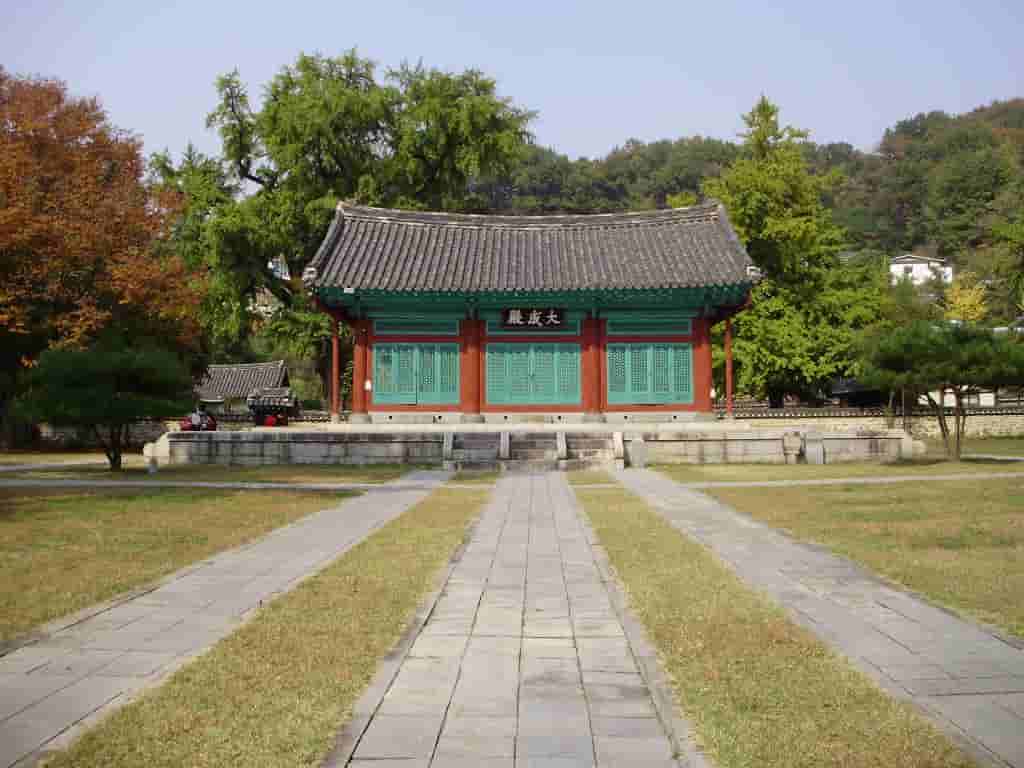
Jeonju Hyanggyo
A historic Confucian school from the Joseon Dynasty with serene grounds and architecture.
Jeonju Hanok Village
A traditional Korean village with hundreds of hanok houses, famous for its cultural heritage and local cuisine.
Gyeonggijeon Shrine
A historic shrine housing portraits of Joseon dynasty kings, located within the Hanok Village.
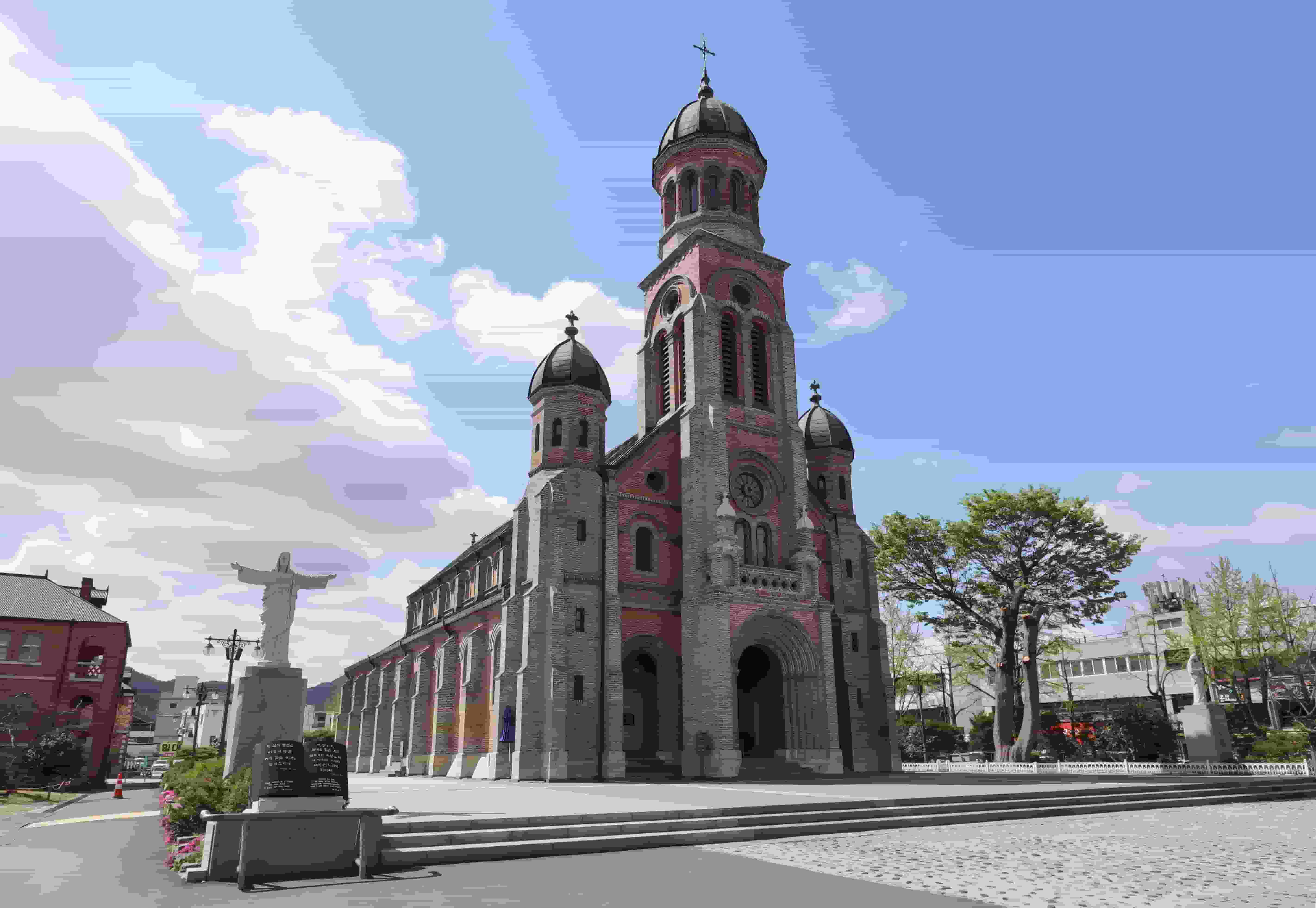
Jeondong Catholic Church
A historic church known for its beautiful architecture and significance in Korean Catholic history.
Pungnammun Gate
Historic south gate of Jeonju, a designated treasure with cultural significance.
Han River Observatory Park
Panoramic park with river views.
Confucius Hometown Walks
Cultural trail connecting Confucian heritage sites.
Jeonju Traditional Wine Museum
Museum dedicated to traditional Korean alcoholic beverages and brewing history.
Jeonju Hyanggyo (Confucian School)
A historic Confucian academy with serene grounds and architecture.
Hyanggyo Confucian School
Historic Confucian school offering a glimpse into traditional education.
🏘️ Neighborhoods
Jeonju Hanok Village
The historic heart of the city, featuring over 800 traditional Korean houses (hanok), cultural workshops, tea houses, and museums. The epicenter of tourism and traditional culture.
Ajung-dong / Palbok-dong
A modern commercial district near Jeonbuk National University, bustling with cafes, restaurants, shops, cinemas, and a youthful nightlife scene. Offers a contrast to the traditional village.
Jungang-dong (Downtown)
The central business and transportation hub, home to the main bus terminal, department stores, and a mix of older commercial buildings. Functional and convenient for transit.
Gosa-dong
A quieter residential area with good local restaurants and cafes, situated between the Hanok Village and the modern downtown. Offers a more local living experience.
Pungnam-dong
Adjacent to the Hanok Village, this area is known for the historic Pungnammun Gate and a mix of older shops and newer cultural spaces. Slightly less crowded than the village core.
Seosin-dong / Hyoja-dong
Residential neighborhoods near Deokjin Park and the river, offering pleasant parks, walking paths, and a selection of cafes and bakeries. A green escape within the city.
🍽️ Local Cuisine
Jeonju is the undisputed culinary capital of South Korea, most famous as the birthplace of Jeonju bibimbap. This signature dish is an artful arrangement of fresh, locally-sourced vegetables, savory beef, a raw egg yolk, and gochujang (red chili paste) over rice, often served in a brass bowl. The city's rich culinary heritage also includes kongnamul gukbap (bean sprout soup with rice), savory Jeonju-style pancakes (jeon), and an incredible variety of traditional Korean alcohols like makgeolli (rice wine) and soju. The best dining areas are within and around the Hanok Village, particularly along the 'Hyanggyo' and 'Gyeonggijeon' alleys, which are lined with traditional restaurants and street food stalls. A full Jeonju bibimbap meal at a reputable restaurant costs around 12,000-20,000 KRW ($9-$15). Street food like hotteok (sweet pancakes) and tteokbokki (spicy rice cakes) are budget-friendly at 2,000-5,000 KRW. Dining etiquette is similar to the rest of Korea: wait to be seated, use chopsticks and a long-handled spoon, and never stick chopsticks upright in your rice.
💡 Local Tips
🚗 Day Trip Ideas
Muju
A scenic mountain county famous for its ski resort in winter and beautiful hiking trails, including the Gucheon-dong Valley, in summer.
Gunsan
A historic port city with a well-preserved Japanese colonial-era district, modern cafes, and access to the scenic Seonyudo Island.
Namwon
Known as the 'City of Love' from the Korean folktale Chunhyangjeon, featuring Gwanghallu Pavilion and beautiful gardens.
Jeongeup
Gateway to the Naejangsan National Park, one of Korea's most famous destinations for spectacular autumn foliage.
Gochang
Home to the UNESCO-listed Gochang Dolmen Site and the majestic Gochang Fortress (Gochangeupseong).
Buan
Offers coastal scenery, the serene Byeonsanbando National Park, and the famous Naesosa Temple.
🛡️ Safety Tips
Jeonju is an exceptionally safe city for travelers, with low crime rates. Violent crime is rare, and petty crime like pickpocketing is uncommon but possible in crowded tourist areas like the Hanok Village; always keep valuables secure. There are no specific areas to avoid, but exercise normal caution at night. Common sense is your best tool. Scams are infrequent, but be wary of overly aggressive touts or taxi drivers not using the meter; insist on using it or use the Kakao T app. For emergencies, dial 112 for police and 119 for fire and medical services. English-speaking operators may be limited, so having your hotel's address written in Korean is helpful. Health-wise, tap water is safe but most locals drink bottled or filtered water. Pharmacies ("yakguk") are widely available for minor ailments. South Korea has excellent medical facilities; ensure you have comprehensive travel insurance.
💰 Budget Guide
Jeonju offers excellent value. A budget traveler can manage on 50,000-70,000 KRW ($37-$52) per day: a dorm bed or basic guesthouse (25,000 KRW), street food and casual meals (15,000 KRW), bus fares (5,000 KRW), and free attractions like walking the Hanok Village. Mid-range travelers spending 100,000-150,000 KRW ($75-$110) can enjoy a private room in a traditional hanok or a 3-star hotel (70,000 KRW), sit-down restaurant meals including Jeonju bibimbap (25,000 KRW), taxi rides, and paid museum entries. A luxury daily budget of 250,000+ KRW ($185+) covers premium hanok stays or 4-5 star hotels, fine dining, private tours, and spa experiences. Money-saving tips: purchase a T-money card for bus discounts, visit free attractions like Pungnammun Gate and the Hanok Village alleys, eat at local markets, and consider a Jeonju Hanok Village Pass for discounted entry to multiple paid sites. Accommodation prices are highest on weekends and during festivals.