Welcome to Hanoi
Hanoi, the soul of Vietnam, is a city where ancient pagodas whisper tales of dynasties past, and the frenetic energy of motorbikes weaves through streets perfumed with pho and jasmine. As the capital, it sits in the Red River Delta of northern Vietnam, a political and cultural heartland that has shaped the nation's identity for over a thousand years. This is a place of profound contrasts: serene lakes shadowed by soaring glass towers, colonial villas nestled beside warren-like ancient quarters, and a culinary tradition that balances delicate herbs with bold, umami-rich broths. With a staggering 2912 hotels ranging from charming family-run guesthouses in the Old Quarter to luxurious international chains overlooking West Lake, Hanoi offers a bed for every traveler. To visit is to embark on a sensory journey, one that demands you sip egg coffee on a plastic stool, lose yourself in a maze of silk and silver, and feel the weight of history at every turn.
Overview
Founded in 1010 AD, Hanoi is one of Southeast Asia's oldest capitals, originally named Thang Long ('Ascending Dragon'). Its history is etched into the city's fabric, from the Chinese and French colonial influences to its pivotal role in the Vietnam War. Culturally, it is the guardian of Vietnamese traditions, seen in water puppet theatre, venerable Confucian temples, and a deeply ingrained coffee culture. The city is famously organized around its lakes, with Hoan Kiem Lake at its historic core. Key districts include the chaotic and charming Old Quarter (Hoan Kiem District), the French Quarter with its broad boulevards and government buildings, the trendy Tay Ho (West Lake) area popular with expats, and the modern high-rises of Cau Giay. Hanoi is famous for its street food, its rich history museums, its vibrant arts scene, and its unique blend of Southeast Asian vitality with a distinct, more reserved northern character.
🗓️ Best Time to Visit
The best time to visit Hanoi is during the autumn (September to November) and spring (March to April). Autumn offers clear, sunny days with mild temperatures and lower humidity, perfect for exploring. Spring is pleasant but can be prone to light, drizzling rain. Summer (May to August) is hot, humid, and rainy, with the potential for typhoons, though it's a vibrant, green season. Winter (December to February) is cool and damp, with temperatures sometimes dipping into the 50s°F (10-15°C), and persistent gray mist known as 'crachin.' Peak tourist seasons coincide with the pleasant weather in autumn and spring, and around the Tet Lunar New Year (January/February), when the city is beautifully decorated but many services close. Major events include Tet (late Jan/early Feb), the Perfume Pagoda Festival (Feb-Mar), and National Day (September 2nd).
🌤️ Weather & Climate
Hanoi has a humid subtropical climate with four distinct seasons. It features a hot, rainy summer and a cool, dry winter, with transitional spring and autumn periods.
Seasons
Cool, Dry Winter
💨 Humidity: moderate
Cool and often overcast with persistent drizzle ('crachin'). Pack a jacket.
Warm, Humid Spring
💨 Humidity: high
Pleasant temperatures but increasing humidity and light, sporadic rain.
Hot, Rainy Summer
💨 Humidity: high
Very hot, humid, and wet. Heavy downpours and occasional typhoons are common.
Mild, Pleasant Autumn
💨 Humidity: moderate
The most pleasant season with clear skies, mild temperatures, and lower humidity.
Monthly Weather Details
January Weather
Best for: sightseeing, cultural visits
February Weather
Best for: Tet festival, sightseeing
March Weather
Best for: outdoor exploration
April Weather
Best for: sightseeing
May Weather
Best for: indoor activities, museums
June Weather
Best for: indoor activities, cafes
July Weather
Best for: indoor activities, cafes
August Weather
Best for: indoor activities, cafes
September Weather
Best for: transitional, mixed activities
October Weather
Best for: ideal for all activities
November Weather
Best for: ideal for all activities
December Weather
Best for: sightseeing, cultural visits
🎒 What to Pack
All Year Round
- comfortable walking shoes
- rain jacket or umbrella
- power adapter
🚗 Getting Around
Navigating Hanoi is an adventure. Walking is the best way to explore the compact Old Quarter, but crossing streets requires a steady pace amidst endless motorbike streams. For longer distances, ride-hailing apps like Grab (for cars and motorbike taxis) are reliable and affordable. Traditional taxis are plentiful; use reputable companies like Mai Linh or Taxi Group. Public buses are extremely cheap and cover the city extensively, though routes can be confusing for non-Vietnamese speakers. Renting a bicycle is a charming but chaotic option, while motorbike rentals are for the very confident. For airport transfers, Noi Bai International Airport is about 45 minutes from the city center. The most economical option is public bus #86 or #17, while Grab taxis and pre-booked private cars offer more comfort. Average costs: Bus ride: 7,000-9,000 VND; Grab bike: 20,000-50,000 VND; Taxi across town: 100,000-150,000 VND.
🎯 Top Attractions

Hoan Kiem Lake
A serene and beautiful lake located in the heart of Hanoi, offering a peaceful escape with a rich historical backdrop and vibrant surroundings.
Old Quarter
A bustling and historic district filled with narrow streets, ancient architecture, and vibrant street markets, offering a glimpse into Hanoi’s culture and traditions.
Temple of Literature
A historic Confucian temple and Vietnam's first national university, offering a glimpse into the country’s intellectual history and architecture.
Hoa Lo Prison
A historical site that offers insight into Vietnam's history, particularly during the French colonial era.

St. Joseph's Cathedral
A neo-Gothic cathedral that is one of Hanoi's oldest churches, with a lively square in front.
Hoa Lo Prison Museum
A historical museum known as the 'Hanoi Hilton,' detailing Vietnam's colonial and war history.
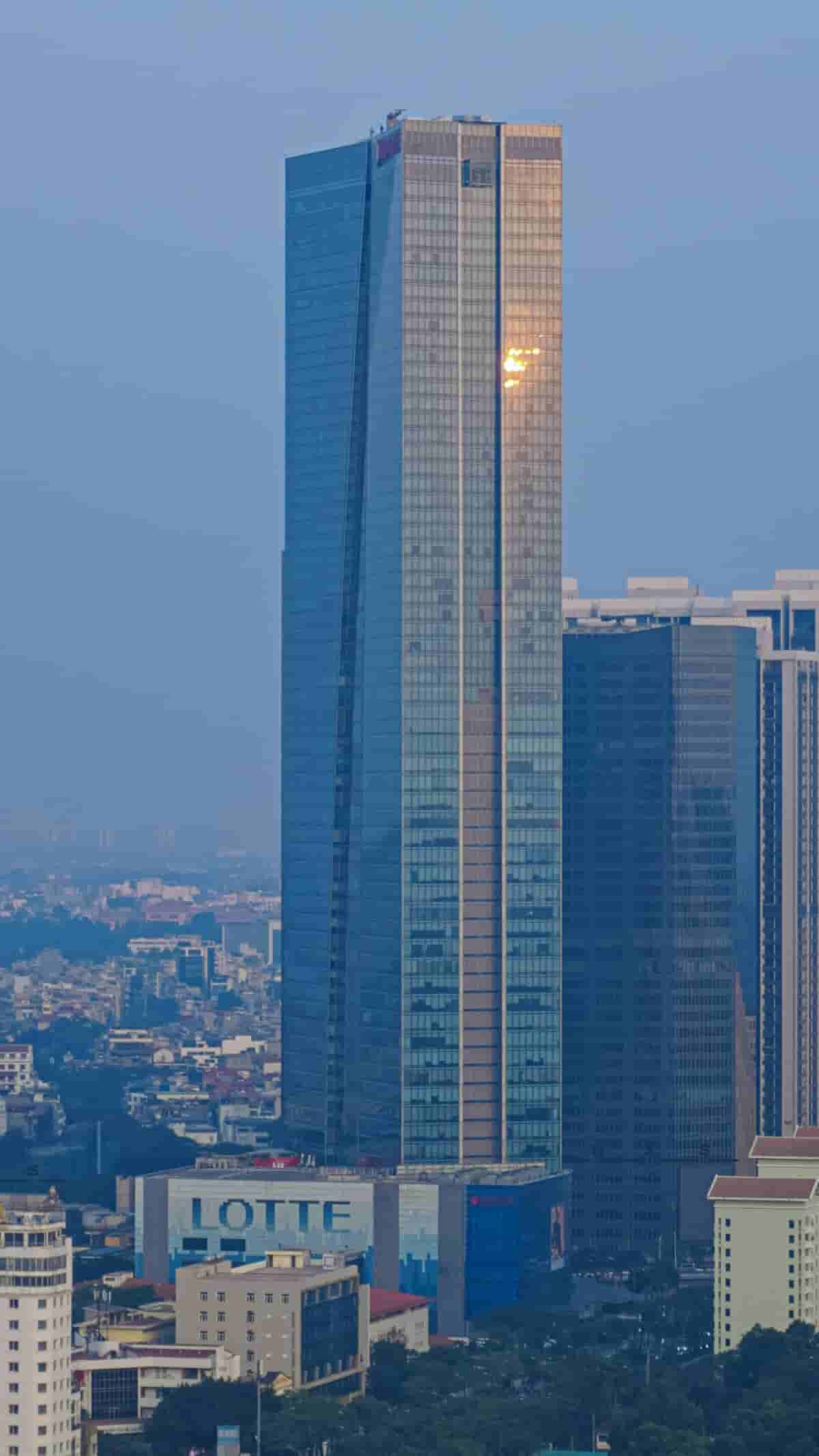
Lotte Center
Shopping mall with cinema, restaurants, and observation deck.

West Lake
Serene lake surrounded by tranquil parks, temples, and historic sites, a peaceful oasis in Hanoi.

Ho Chi Minh Mausoleum
The final resting place of Vietnam's beloved revolutionary leader, offering a glimpse into the country's history.
Tran Quoc Pagoda
Stunning 11th-century Buddhist temple, one of the oldest in Vietnam, set on a small island in West Lake.
Linh Lang Street
A lively street known for its cafes and local eateries.
Thang Long Water Puppet Theatre
A must-see cultural show featuring a unique Vietnamese art form where puppets appear to dance and glide over water, accompanied by traditional music.
🏘️ Neighborhoods
Hoan Kiem (Old Quarter)
The historic, chaotic heart of Hanoi, a maze of 36 streets named for their original trades, packed with shops, street food, and budget hotels.
French Quarter (Ba Dinh)
Characterized by wide, tree-lined boulevards, French colonial architecture, government buildings, embassies, and high-end hotels.
Tay Ho (West Lake)
A large, expat-heavy district surrounding the city's biggest lake, known for its international restaurants, cafes, villas, and serene atmosphere.
Hai Ba Trung
A large, mostly residential district south of the center, offering a more local vibe, local markets, and some hidden gem restaurants.
Cau Giay & Dong Da
Modern districts with universities, shopping malls like Vincom Center, and high-rise apartments, representing Hanoi's rapid development.
Truc Bach
A small peninsula on West Lake, known for its lakeside promenade, famous cha ca (fish) restaurants, and a relaxed, village-like feel.
🍽️ Local Cuisine
Hanoi is the birthplace of pho, the iconic beef or chicken noodle soup, but its culinary repertoire runs deep. Must-try dishes include bun cha (grilled pork with noodles and herbs), banh mi (Vietnamese baguette sandwich), cha ca (turmeric fish with dill), and egg coffee—a rich, creamy Hanoi invention. Dining culture is famously informal; some of the best meals are had on tiny plastic stools at street-side stalls. Popular food areas are the Old Quarter, especially around Ta Hien Street ('Beer Street'), and the Truc Bach and West Lake areas. Prices are low: a bowl of pho costs 40,000-60,000 VND ($1.70-$2.50), a banh mi 20,000-30,000 VND ($0.85-$1.30), and a multi-dish restaurant meal can be had for 150,000-300,000 VND ($6.50-$13). Etiquette is simple: don't blow your nose at the table, and use both hands or a slight bow when passing items or money to elders.
💡 Local Tips
🚗 Day Trip Ideas
Halong Bay
A UNESCO World Heritage site of thousands of limestone karsts and islands rising from emerald waters. Best experienced on an overnight cruise.
Ninh Binh (Tam Coc / Trang An)
Often called 'Halong Bay on Land,' featuring stunning river journeys through caves and past rice paddies with dramatic limestone scenery.
Perfume Pagoda (Chua Huong)
A vast complex of Buddhist temples and shrines built into limestone mountains, accessed by a scenic river boat ride and hike.
Bat Trang Ceramic Village
A centuries-old village famous for its pottery. Visitors can watch artisans at work, try their hand at the wheel, and buy unique ceramics.
Duong Lam Ancient Village
A well-preserved village with centuries-old laterite houses, ancient banyan trees, and a glimpse into traditional Vietnamese rural life.
Mai Chau Valley
A beautiful, peaceful valley inhabited by White Thai ethnic minorities, offering homestays, cycling, and cultural performances amidst rice fields.
🛡️ Safety Tips
Hanoi is generally a safe city for travelers, with violent crime being rare. The primary risks are traffic accidents and petty theft like bag snatching, especially in crowded areas. Be vigilant with your belongings on sidewalks and when riding in cyclos or on motorbikes. Common scams include overcharging by taxi drivers (use Grab or reputable firms), 'friendly' locals inviting you to expensive drink shops, and shoe shiners or souvenir sellers who become aggressive. Cross streets slowly and steadily; don't stop suddenly. Drink bottled water and be cautious with street food hygiene—choose busy stalls with high turnover. Emergency numbers: Police 113, Fire 114, Ambulance 115. For serious health issues, seek treatment at international clinics like Hanoi French Hospital or Vinmec.
💰 Budget Guide
Hanoi is very affordable for travelers. A budget traveler can manage on $25-35 per day by staying in hostel dorms ($5-10), eating street food ($1-3 per meal), using buses and walking, and enjoying free sights like Hoan Kiem Lake. Mid-range travelers spending $50-80 per day can enjoy private hotel rooms (around the $85 city average), nicer restaurant meals ($5-15), taxis/Grab, and paid entrance fees. A luxury budget of $150+ per day affords 4-5 star hotels, fine dining, private tours, and spa treatments. Money-saving tips: Eat on the street, drink bia hoi (fresh beer) for $0.50 a glass, bargain at markets, use public buses, and visit many free pagodas and public spaces. Withdraw larger sums from ATMs to minimize fees.