Welcome to Ho Chi Minh City
Ho Chi Minh City, Vietnam's pulsating southern metropolis, is a place where history and hyper-modernity collide with intoxicating energy. Known affectionately as Saigon, this city of over 9 million people is a whirlwind of motorbikes, aromatic street food stalls, and French colonial architecture standing shoulder-to-shoulder with gleaming skyscrapers. As the economic heart of Vietnam, it offers a dynamic gateway to the country's rich culture and complex past. The city's significance is palpable, from its role in the Vietnam War to its current status as a booming commercial hub. For travelers, this translates into an incredibly diverse experience, with over 3349 hotels catering to every style and budget, from backpacker hostels in Pham Ngu Lao to five-star luxury along the Saigon River. Whether you're exploring the labyrinthine Ben Thanh Market, sipping coffee at a sidewalk café, or gazing at the cityscape from the Bitexco Financial Tower, Ho Chi Minh City promises an unforgettable, sensory-rich adventure that captures the relentless spirit of modern Vietnam.
Overview
Ho Chi Minh City is a city of layers, where each era has left an indelible mark. Founded as Prey Nokor by the Khmer, it flourished under the Nguyen Dynasty before becoming the capital of French Cochinchina. Renamed Saigon, it later served as the capital of South Vietnam until the fall of Saigon in 1975, when it was renamed Ho Chi Minh City. Today, it's famous for its frenetic pace, entrepreneurial zeal, and vibrant street life. Culturally, it's a blend of traditional Vietnamese values and a forward-looking, cosmopolitan attitude. The city is divided into 24 districts, with District 1 being the historic and tourist core, home to landmarks like the Notre Dame Cathedral, Central Post Office, and Independence Palace. District 3 offers a more local, residential feel with charming cafes, while District 2 (Thao Dien) is the expat enclave. Binh Thanh and Phu Nhuan are bustling local districts. The city is renowned for its incredible food scene, from humble pho stalls to innovative fine dining, its war history museums, and its thriving arts and nightlife. It's a city that never sleeps, constantly evolving while fiercely holding onto its unique identity.
🗓️ Best Time to Visit
The best time to visit Ho Chi Minh City is during the dry season, which runs from December to April. This period offers plenty of sunshine, lower humidity, and minimal rainfall, making it ideal for sightseeing and exploring. The peak tourist season falls within this window, especially around Christmas, New Year, and the Vietnamese Lunar New Year (Tet), which usually occurs in late January or February. While festive, Tet sees many local businesses close, and accommodation prices soar. The hot season from March to May is very warm and humid but still dry. The rainy season spans from May to November, with the heaviest downpours typically in the afternoon. September and October are the wettest months. While this is the off-peak season with fewer crowds and lower prices, frequent heavy showers can disrupt outdoor plans. Major events include the Tet Festival (Jan/Feb), Reunification Day (April 30), International Labor Day (May 1), and Mid-Autumn Festival (September). For a balance of good weather and manageable crowds, the shoulder months of December and April are excellent choices.
🌤️ Weather & Climate
Ho Chi Minh City has a tropical climate characterized by high temperatures and humidity year-round. It experiences two main seasons: a distinct rainy season and a dry season, with little temperature variation.
Seasons
Dry Season
💨 Humidity: moderate
Sunny, hot, and less humid. The most pleasant and popular time for tourism, with minimal rainfall.
Rainy Season
💨 Humidity: high
Hot, humid, and wet. Daily afternoon downpours are common, often intense but short-lived. Flooding can occur in some areas.
Monthly Weather Details
January Weather
Best for: sightseeing, outdoor activities
February Weather
Best for: sightseeing, festivals
March Weather
Best for: sightseeing
April Weather
Best for: sightseeing
May Weather
Best for: indoor activities, museums
June Weather
Best for: indoor activities, cafes
July Weather
Best for: indoor activities, shopping
August Weather
Best for: indoor activities
September Weather
Best for: indoor activities
October Weather
Best for: indoor activities
November Weather
Best for: sightseeing, transitioning season
December Weather
Best for: sightseeing, outdoor activities
🎒 What to Pack
All Year Round
- lightweight, breathable clothing
- comfortable walking shoes
- rain jacket or compact umbrella
- sunscreen
- hat
- reusable water bottle
🚗 Getting Around
Navigating Ho Chi Minh City is an adventure in itself. The most iconic sight is the endless river of motorbikes, and for short trips, grabbing a ride on a 'xe om' (motorbike taxi) is a quintessential experience—just agree on a price first. Ride-hailing apps like Grab (which offers cars and bikes) are immensely popular, affordable, and convenient, providing fixed fares. Traditional taxis (Vinasun and Mai Linh are reputable companies) are metered and reliable. Public transportation is limited but improving; the public bus network is extensive and very cheap, though routes can be confusing for non-Vietnamese speakers. Walking is enjoyable in the pedestrian-friendly areas of District 1, but crossing streets requires a steady pace and confidence amidst the traffic—just walk slowly and predictably. Biking is not recommended for the faint-hearted due to the chaotic traffic. For airport transfers, Tan Son Nhat International Airport is close to the city center. You can take a taxi (about 150,000-200,000 VND), a Grab, or the public bus (Route 109). Overall, a mix of walking for exploration in District 1 and using Grab or taxis for longer distances is the most efficient strategy.
🎯 Top Attractions
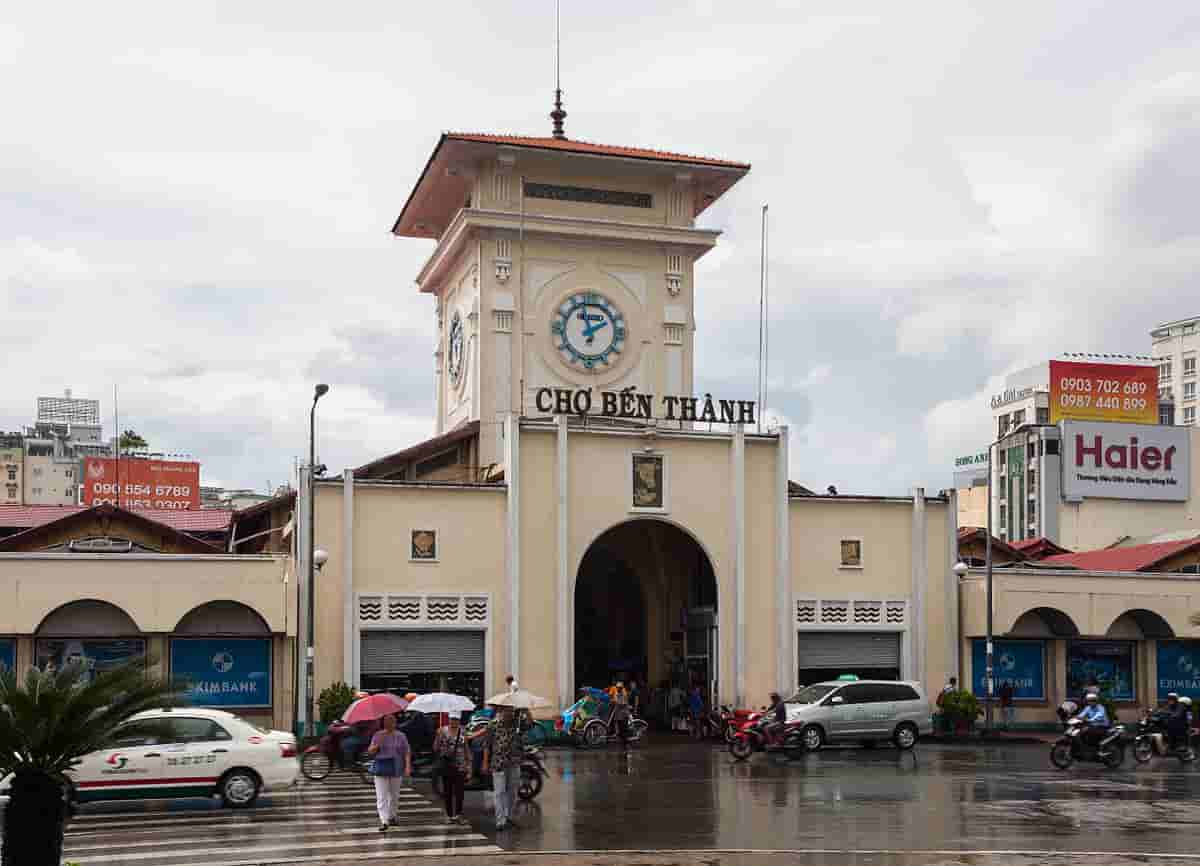
Ben Thanh Market
A bustling open-air market selling everything from local produce to handcrafted souvenirs, a must-visit for an authentic Vietnamese experience.
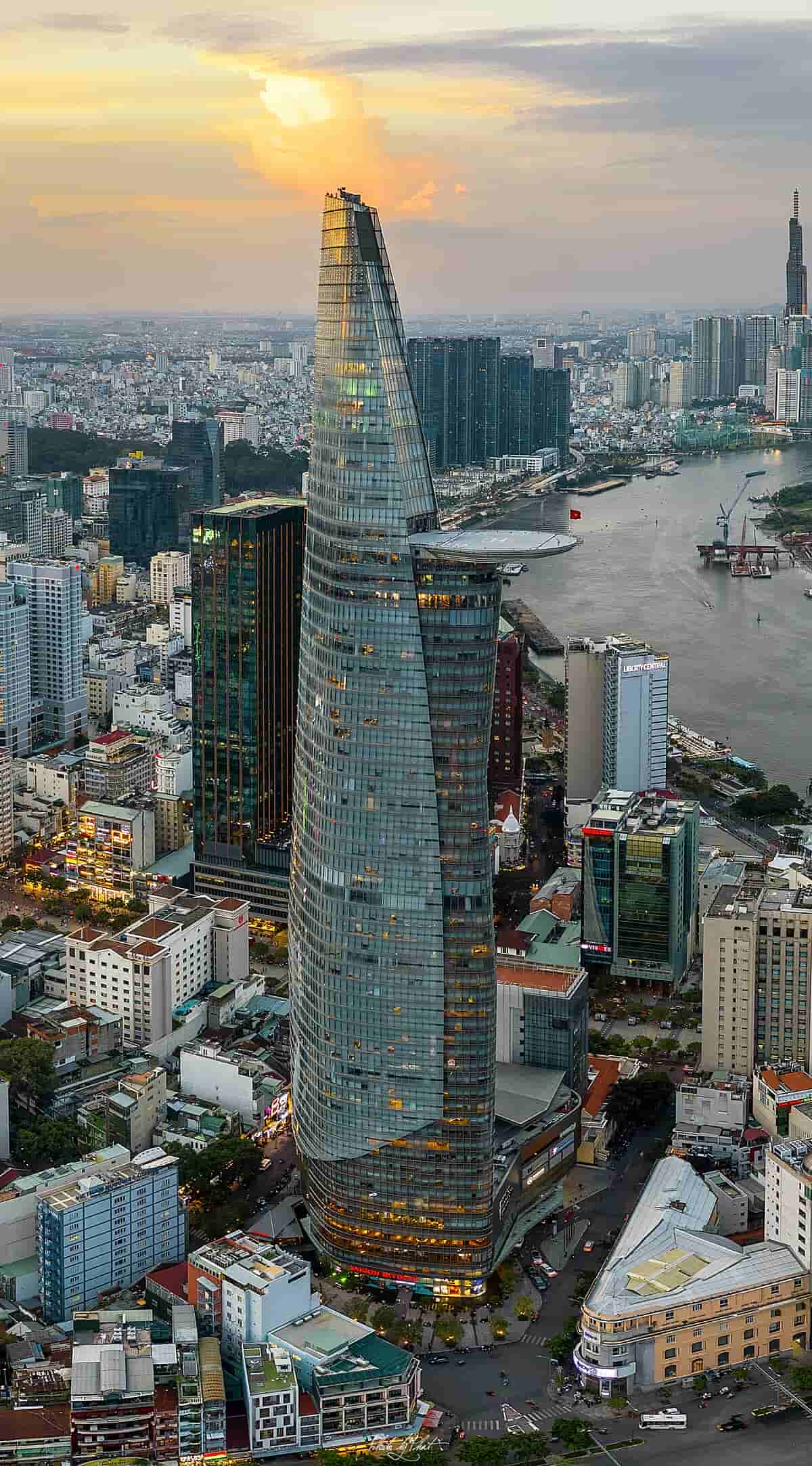
Bitexco Financial Tower
Iconic 68-story skyscraper with stunning city views and an observation deck that offers a panoramic perspective of Ho Chi Minh City.
Saigon Opera House
A stunning French colonial-era opera house, featuring intricate architectural details and hosting world-class performances.
Notre Dame Cathedral
A stunning neo-Gothic cathedral, known for its towering twin spires and intricate architecture, a must-see for any visitor.
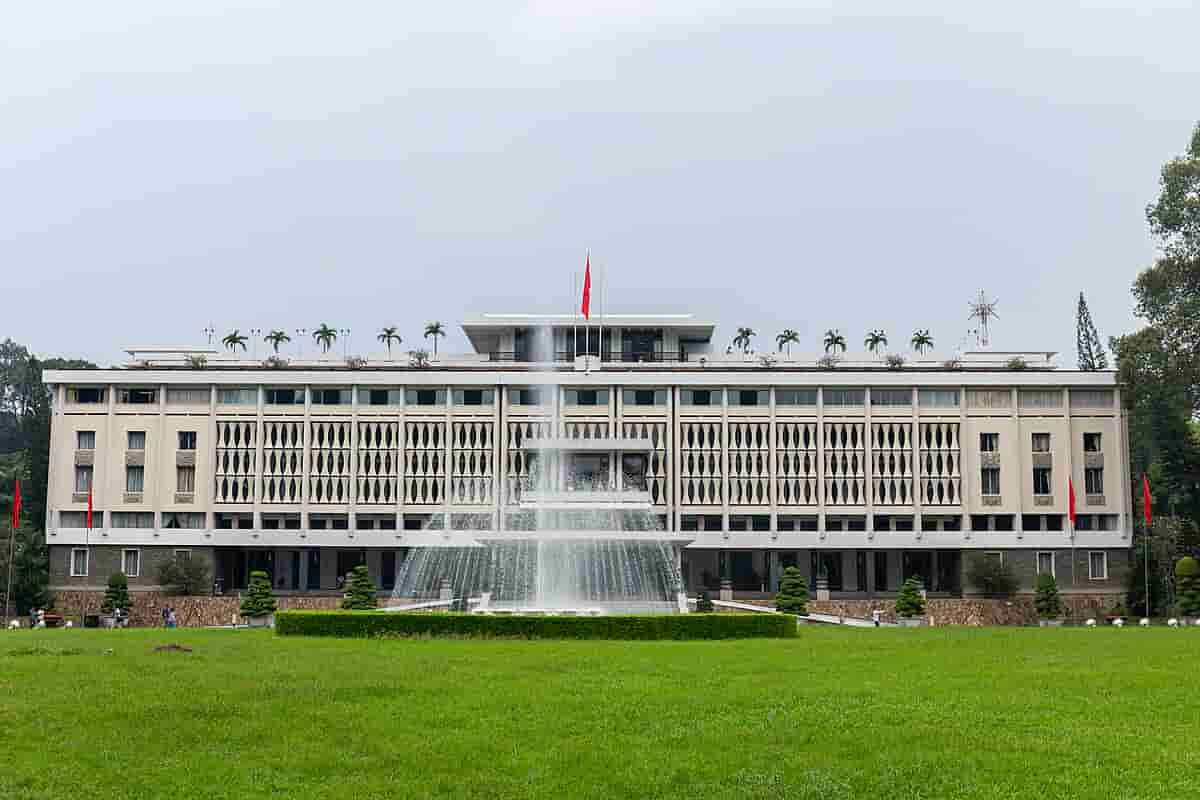
Independence Palace
A landmark of Ho Chi Minh City's history, this beautifully preserved building offers fascinating tours of its historic rooms and bunkers.
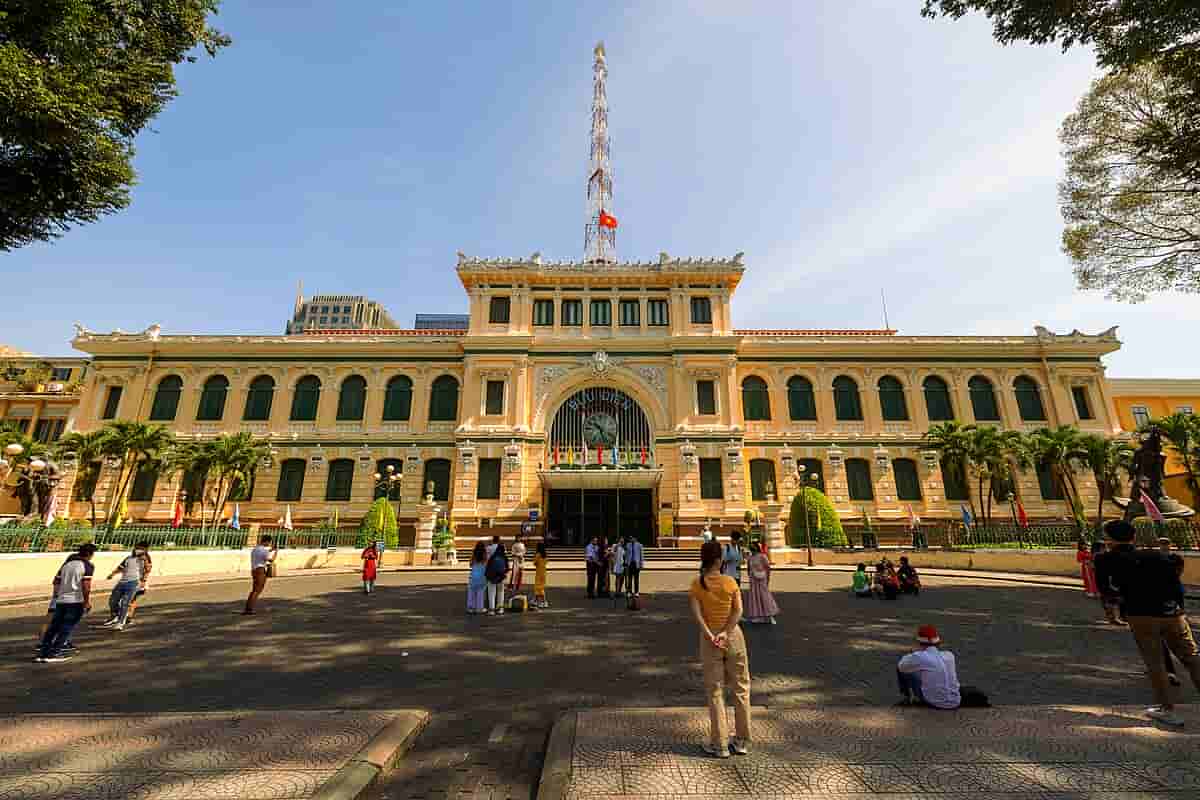
Saigon Central Post Office
A classic French colonial building featuring a grand arched ceiling and historical maps, still functioning as a central post office.
Saigon Notre-Dame Basilica
A stunning neo-Romanesque cathedral built in the late 19th century, known for its towering red brick façade and beautiful interiors.
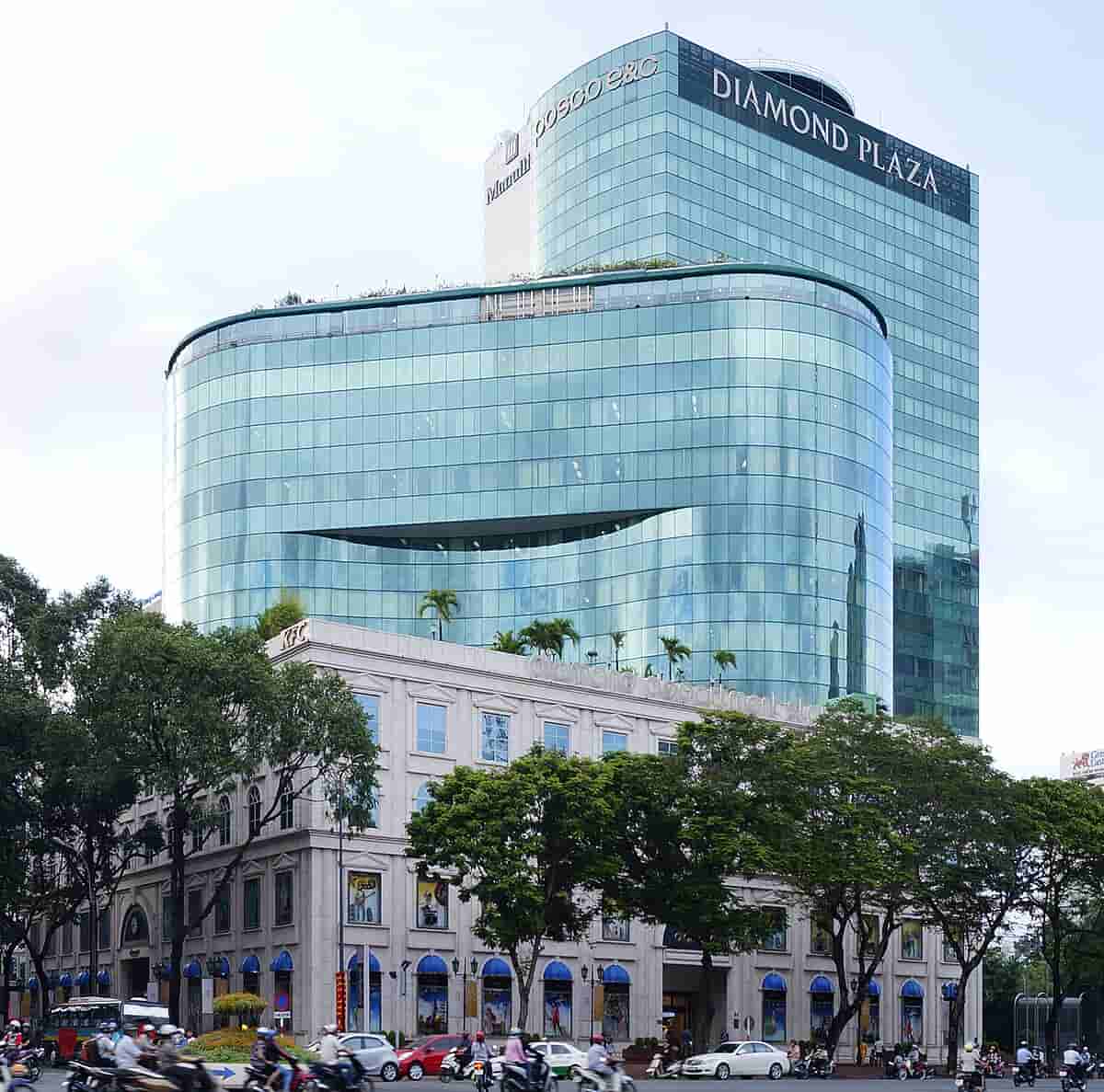
Diamond Plaza
Shopping center with luxury brands, dining, and entertainment.
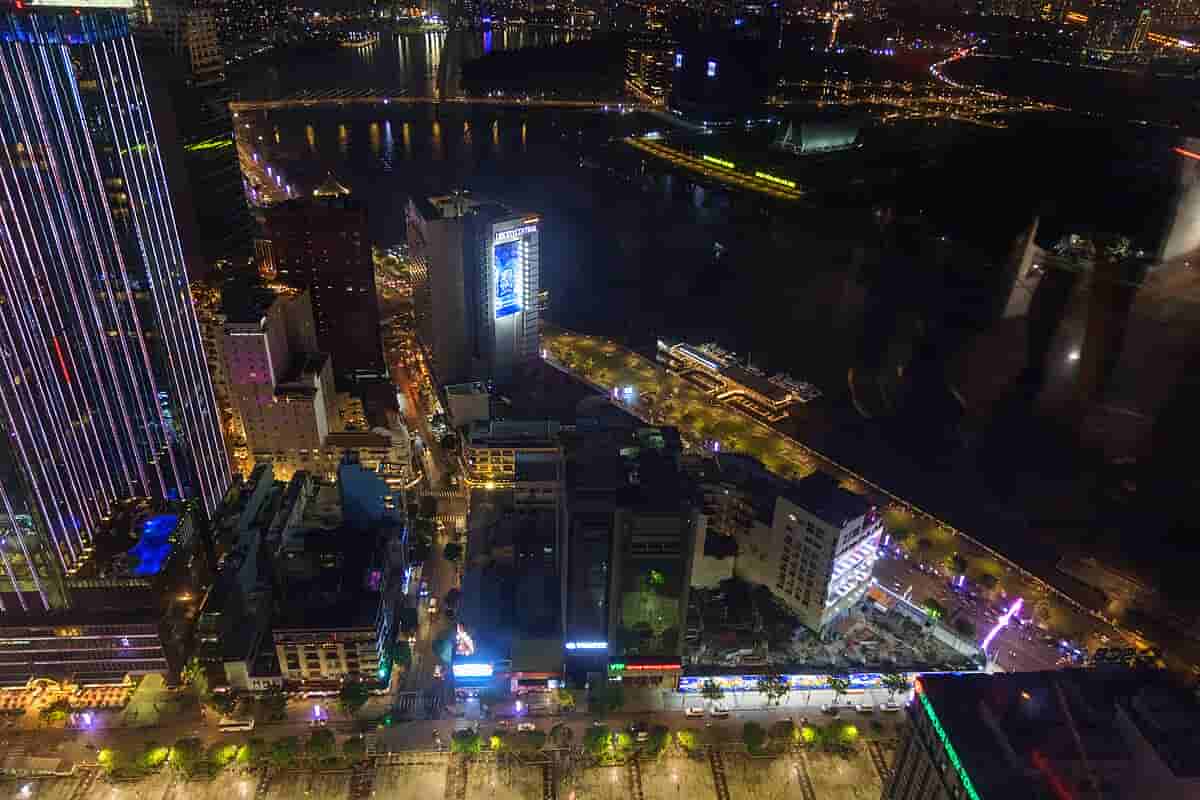
Saigon River
Enjoy a scenic stroll or boat cruise along the picturesque Saigon River, offering a peaceful escape from the bustling city.
Notre-Dame Cathedral
Stunning neo-Romanesque cathedral, one of Ho Chi Minh City's most recognizable landmarks.
Central Post Office
A historic French-colonial building, an iconic Saigon landmark designed by Gustave Eiffel.
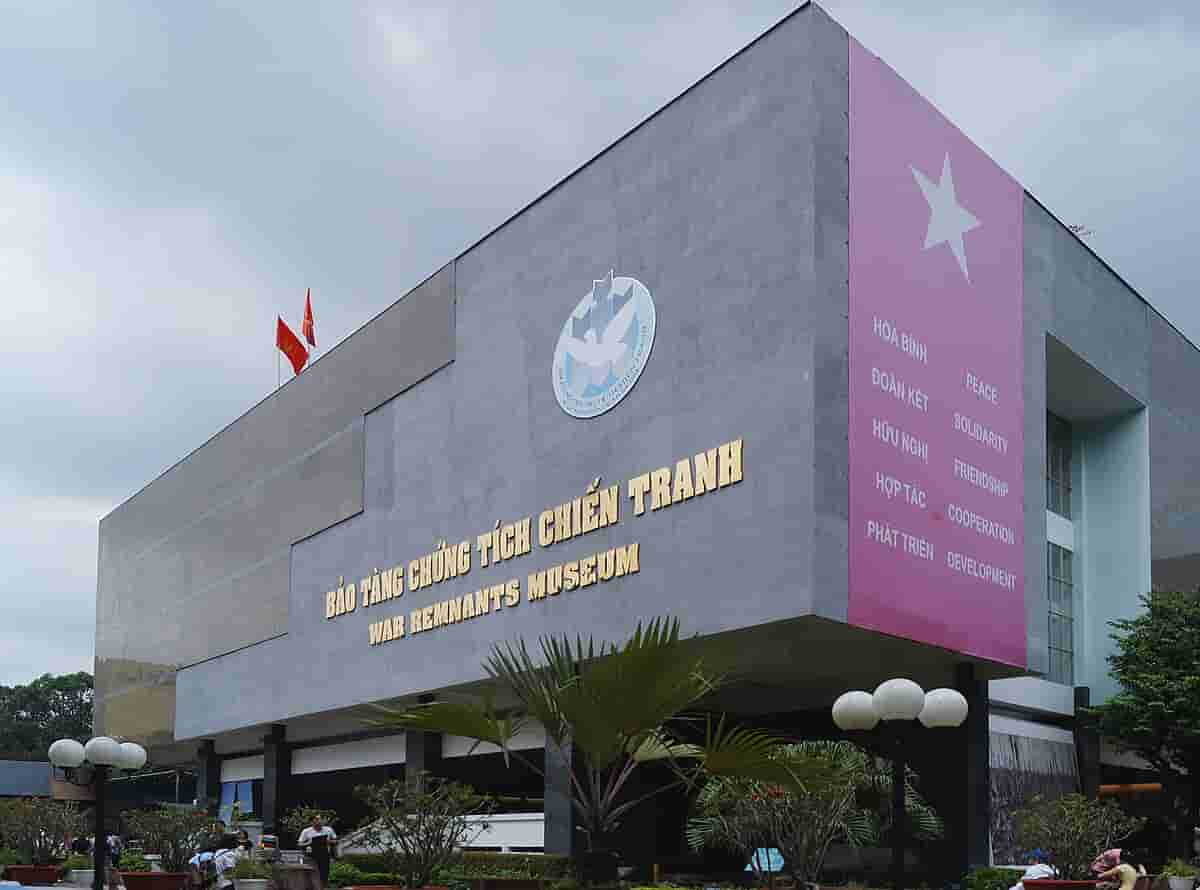
War Remnants Museum
Powerful exhibit showcasing the lasting impact of the Vietnam War with sobering displays of artifacts and historical photographs.
🏘️ Neighborhoods
District 1
The historic and tourist heart of the city. Home to major landmarks like the Notre Dame Cathedral, Central Post Office, Independence Palace, and Ben Thanh Market. Packed with hotels, restaurants, and rooftop bars.
District 3
Adjacent to District 1, this area offers a more local and residential vibe. Features beautiful French colonial villas, independent cafes, art galleries, and some of the city's best authentic restaurants.
Pham Ngu Lao (Backpacker Area)
Located on the western edge of District 1, this is the famous budget traveler hub. A bustling, noisy area with countless hostels, cheap eateries, travel agencies, and the infamous Bui Vien walking street.
District 2 (Thao Dien)
Across the Saigon River, this is the primary expat enclave. Tree-lined streets are filled with international schools, western-style cafes, boutique shops, and a relaxed, village-like atmosphere.
Binh Thanh District
A rapidly developing residential and business district. Less touristy, it offers a glimpse into everyday Saigon life with local markets, street food scenes, and is home to the iconic Landmark 81 skyscraper.
District 5 (Cho Lon)
Saigon's sprawling Chinatown. A sensory overload of sights, sounds, and smells centered around the massive Binh Tay Market. Rich in Chinese-Vietnamese culture, temples, and herbal medicine shops.
District 7 (Phu My Hung)
A modern, planned urban area known for its wide, clean boulevards, parks, and large international community. Often called 'Saigon's Seoul' for its Korean influence and numerous Korean restaurants.
🍽️ Local Cuisine
Ho Chi Minh City is a paradise for food lovers, offering a spectacular array of flavors that define southern Vietnamese cuisine. Signature dishes you must try include 'pho' (beef or chicken noodle soup), 'banh mi' (French baguette sandwich with various fillings), 'com tam' (broken rice with grilled pork), 'banh xeo' (crispy turmeric crepe), and 'hu tieu' (a clear noodle soup). The dining culture is wonderfully democratic, with some of the best food found at humble street stalls and plastic-stool restaurants. Must-visit food areas include the street food alleys around Ben Thanh Market, the vibrant 'com tam' stalls on Su Van Hanh Street, and the upscale restaurants in District 1 and District 2. Prices range from 20,000-50,000 VND for a stellar street food meal to 200,000 VND+ per person at a mid-range restaurant. Etiquette is generally relaxed. It's customary to say 'cam on' (thank you). Don't be afraid to use chopsticks, and feel free to slurp your noodles. For street food, look for stalls with high turnover. Always have small bills for payment, and be adventurous—the city's culinary scene is its greatest treasure.
💡 Local Tips
🚗 Day Trip Ideas
Cu Chi Tunnels
Explore the vast network of underground tunnels used by Viet Cong soldiers during the Vietnam War. Includes crawling through sections and seeing historical exhibits.
Mekong Delta (My Tho/Ben Tre)
Experience the 'Rice Bowl' of Vietnam with a boat trip through lush waterways, visiting floating markets, fruit orchards, and coconut candy workshops.
Vung Tau
A coastal city popular for its beaches, seafood, and landmarks like the Giant Jesus statue and French-era lighthouse. A quick escape from the city heat.
Can Gio Mangrove Forest (UNESCO Biosphere)
A unique ecosystem of mangrove forests and waterways. Take a boat tour to see monkeys, visit a bat sanctuary, and climb the Tang Bong watchtower.
Tay Ninh & Cao Dai Holy See
Visit the colorful and unique Cao Dai Great Temple, the center of this syncretic religion. Time your visit for the mesmerizing midday prayer ceremony.
🛡️ Safety Tips
Ho Chi Minh City is generally safe for tourists, with violent crime being rare. The primary concerns are petty theft and traffic. Be vigilant against bag-snatching, especially by motorbike thieves; wear backpacks on your front in crowded areas and don't flash expensive phones or cameras. Common scams include overcharging taxis (use Grab or reputable companies), cyclo drivers demanding exorbitant fees, and fake tourist police asking for your passport. Be cautious in very crowded places like Ben Thanh Market and the backpacker area at night. When crossing streets, walk slowly and steadily—don't run or stop suddenly. Traffic is the biggest physical danger. Drink bottled water and be mindful of food hygiene at street stalls (choose busy ones). Emergency numbers are 113 for police, 115 for ambulance, and 114 for fire. Keep a copy of your passport separate from the original. Overall, use common sense, stay aware of your surroundings, and you'll likely have a trouble-free visit.
💰 Budget Guide
Ho Chi Minh City can cater to any budget. For budget travelers, expect to spend $25-40 USD per day. This covers a dorm bed ($5-10), street food meals ($1-3 each), local buses or walking, and free/cheap attractions like markets and pagodas. Mid-range travelers can enjoy a comfortable trip for $60-120 USD daily. This allows for a private room in a 3-star hotel ($25-50), meals at nice local restaurants ($5-10 per meal), Grab taxis, and paid entrance fees to museums and landmarks. Luxury travelers can spend $150+ per day on 4-5 star hotels ($80+), fine dining, private tours, and high-end shopping. Money-saving tips: Eat like a local at street stalls, use the Grab app for transport, stay in local guesthouses or hostels slightly outside District 1, visit free attractions (Notre Dame Cathedral exterior, Central Post Office), and bargain firmly but politely at markets. Avoid drinking in overly touristy bars in the backpacker area where prices are inflated. Many museums have very reasonable entrance fees (under $2).