Welcome to Hoi An
Hoi An, a UNESCO World Heritage Site nestled along the Thu Bon River in Vietnam's Qu?ng Nam province, is a mesmerizing tapestry of history, culture, and serene beauty. This ancient port town, once a bustling hub for international trade, now enchants visitors with its perfectly preserved architecture, a harmonious blend of indigenous and foreign influences from its Chinese, Japanese, and European traders. By day, the city glows under the sun with its iconic yellow-walled buildings and vibrant silk lanterns; by night, it transforms into a magical realm illuminated by thousands of these same lanterns, reflecting on the tranquil river. With its compact, pedestrian-friendly Ancient Town, stunning nearby beaches like An Bang, and a rich culinary scene, Hoi An offers a deeply immersive experience. Travelers are well catered for with a wide range of accommodations, boasting 589 hotels that provide options for every taste and budget, ensuring a comfortable base from which to explore this timeless gem.
Overview
Hoi An's history as a major Southeast Asian trading port from the 15th to the 19th century is etched into its very streets. The city's decline as a port in the late 1800s, ironically, preserved its unique architectural and cultural heritage, which escaped the ravages of modern development and war. Today, Hoi An is famous for its exceptionally well-preserved Ancient Town, a labyrinth of narrow lanes lined with centuries-old merchant houses, assembly halls, pagodas, and the iconic Japanese Covered Bridge. The city is a living museum, where residents still live and work within the historic structures. Beyond the old town, Hoi An is renowned for its skilled tailors and leatherworkers, its lush countryside of vegetable and pottery villages like Tra Que and Thanh Ha, and its beautiful, expansive beaches such as An Bang and Cua Dai. The local culture is a vibrant mix, visible in festivals, daily life, and the warm, welcoming nature of its people.
🗓️ Best Time to Visit
The best time to visit Hoi An is from February to April, when rainfall is low, humidity is manageable, and temperatures are pleasant, ideal for exploring and beach days. The dry season runs from February to July, offering the most reliable sunshine. The rainy season lasts from September to January, with October and November seeing the highest rainfall and occasional flooding, which can be atmospheric but disruptive. Peak tourist seasons coincide with the dry months and major holidays like Tet (Vietnamese Lunar New Year, usually January/February), when prices are higher and the town is busiest. The off-peak season (rainy months) offers fewer crowds and lower prices but requires flexibility. Major events include the monthly Full Moon Lantern Festival, when the Ancient Town turns off its electric lights and glows with lanterns, and the rainy season's occasional 'nước nổi' (high water) which transforms streets into reflective canals.
🌤️ Weather & Climate
Hoi An has a tropical monsoon climate with two distinct seasons: a hot, dry season and a warm, rainy season. Temperatures remain warm year-round, but humidity and precipitation vary dramatically.
Seasons
Dry Season
💨 Humidity: moderate to high
Hot, sunny days with low chance of rain. Ideal for beach activities and sightseeing, though it can be very hot from May to July.
Rainy Season
💨 Humidity: high
Warm temperatures with frequent, heavy rainfall, especially from October to December. Can experience flooding. Fewer tourists and lush greenery.
Monthly Weather Details
January Weather
Best for: sightseeing, cultural activities
February Weather
Best for: beach, sightseeing, ideal travel
March Weather
Best for: beach, sightseeing, ideal travel
April Weather
Best for: beach, sightseeing
May Weather
Best for: beach, early morning sightseeing
June Weather
Best for: beach, early morning sightseeing
July Weather
Best for: beach, early morning sightseeing
August Weather
Best for: sightseeing between showers
September Weather
Best for: indoor activities, cooking classes
October Weather
Best for: indoor activities, flood season possible
November Weather
Best for: cultural visits, flood season possible
December Weather
Best for: sightseeing, cultural activities
🎒 What to Pack
All Year Round
- lightweight clothing
- rain jacket or poncho
- comfortable walking shoes
- sun protection (hat, sunglasses, sunscreen)
- insect repellent
🚗 Getting Around
Hoi An's Ancient Town is a pedestrian-only zone during the day, making walking the best and most enjoyable way to explore its core. For longer distances, bicycles are incredibly popular, inexpensive to rent (around $1-2/day), and perfect for reaching the beaches or countryside villages. Motorbike taxis ('xe om') and ride-hailing apps like Grab are readily available for quick trips. For a scenic and traditional option, take a boat ride on the Thu Bon River. There is no local public bus system within the town itself. For airport transfers, Da Nang International Airport is about a 45-minute drive away; pre-booked private cars, taxis, or hotel shuttles are the most convenient options, costing roughly $15-25. Taxis are metered and reliable; always ensure the meter is running. Overall, transportation costs in Hoi An are very low.
🎯 Top Attractions
Hoi An Ancient Town
This UNESCO World Heritage site is renowned for its well-preserved ancient architecture, charming riverside setting, and vibrant cultural heritage.
Thu Bon River
Winding through the heart of Hoi An, this scenic river is best explored by traditional wooden boat, offering a peaceful glimpse of local life.
An Bang Beach
A serene beach known for its white sands and clear waters, ideal for swimming and relaxation.
Japanese Covered Bridge
Marvel at this iconic 400-year-old bridge, a beloved landmark and one of Hoi An's most photographed attractions.
Ancient Town
UNESCO site with well-preserved architecture and lantern-lit streets.
Cua Dai Beach
Relax on the soft, golden sands of this picturesque beach, known for its stunning sunsets and gentle waves.
Hidden Beach
Secluded beach known for its calm waters and scenic beauty.
Tra Que Vegetable Village
An organic farming village where visitors can learn about local herbs and participate in gardening activities.
Thanh Ha Pottery Village
Traditional pottery-making village known for its distinctive ceramic products and artisanal workshops.
An Hoi Night Market
Vibrant night market with local crafts and food
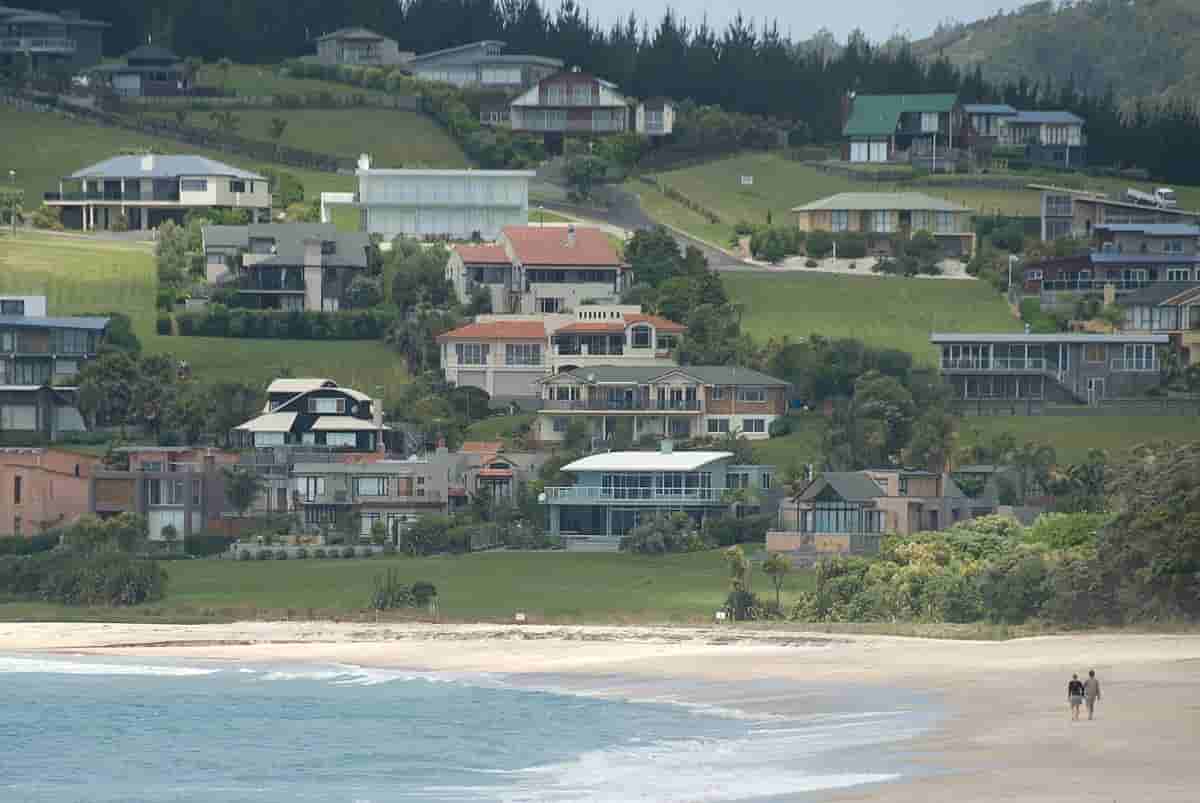
Lang Co Beach
A UNESCO-listed beach with golden sands and shallow lagoons.
Cham Island
A natural reserve with pristine coral reefs.
🏘️ Neighborhoods
Hoi An Ancient Town
The UNESCO-listed historic core, a pedestrian-friendly maze of yellow merchant houses, temples, tailors, and lantern shops. The heart of tourism and culture.
An Hoi Island
Located just across the Thu Bon River from the Ancient Town, known for its night market, vibrant bar street, and guesthouses with river views.
Cam Chau
A peaceful, residential area just south of the Ancient Town, featuring rice paddies, quiet lanes, and a growing number of charming boutique hotels and cafes.
An Bang Beach
A relaxed, trendy beach area north of town with a long stretch of sand, stylish beach clubs, seafood restaurants, and villas. Accessible by bike or taxi.
Cua Dai Beach
Once Hoi An's main beach, now recovering from erosion. Offers some resorts and a long, less crowded shoreline further from the center.
Thanh Ha Ward / Cam Nam Island
Residential areas across the river, offering a more local, village-like feel with homestays, gardens, and easy bicycle access to the town center.
🍽️ Local Cuisine
Hoi An is a culinary paradise, famous for dishes born from its history as a trading port. Must-try signatures include Cao Lau (thick noodles with pork and herbs, made with water from a specific local well), White Rose (shrimp dumplings shaped like roses), and Com Ga (Hoi An chicken rice). Banh Mi here, particularly from famous stalls like Banh Mi Phuong, is considered among Vietnam's best. Fresh seafood is abundant, especially at beachfront restaurants. Dining culture is casual and street-food oriented; some of the best meals come from market stalls and family-run eateries. The Central Market and An Hoi Night Market are fantastic for sampling. A meal can range from $1-3 for street food, $5-15 for a sit-down restaurant, and upwards for fine dining. Etiquette is relaxed; using chopsticks is common, and it's polite to try a bit of everything. Don't miss a cooking class to delve deeper into the flavors.
💡 Local Tips
🚗 Day Trip Ideas
My Son Sanctuary
A UNESCO World Heritage site featuring impressive ruins of Hindu temple towers built by the Champa Kingdom between the 4th and 13th centuries.
Da Nang City
Vietnam's dynamic third city, known for the Dragon Bridge, Marble Mountains, My Khe Beach, and modern museums and cafes.
Cham Islands (Cu Lao Cham)
A UNESCO Biosphere Reserve with pristine beaches, coral reefs for snorkeling/diving, and a rustic island atmosphere. Accessible by speedboat.
Marble Mountains (Ngu Hanh Son)
A cluster of five marble and limestone hills with caves, tunnels, Buddhist sanctuaries, and panoramic views. Located near Da Nang.
Ba Na Hills & Golden Bridge
A hill station resort famous for its whimsical French village, gardens, and the stunning Golden Bridge held by giant stone hands.
Tra Que Vegetable Village
A peaceful farming village where you can learn about traditional herb cultivation, cycle through gardens, and even try farming or a cooking class.
🛡️ Safety Tips
Hoi An is generally very safe for travelers, with low rates of violent crime. Petty theft like bag-snatching (especially from motorbikes) can occur, so keep valuables secure and out of sight. Be cautious of common scams: overly aggressive tailors/shop owners, motorbike rental scams (document pre-existing damage with photos), and inflated prices for tourists at some markets/taxis (use Grab or insist on the meter). When swimming, heed beach warning flags as currents can be strong. Cross streets carefully as traffic can be chaotic. Drink bottled water. Emergency numbers: Police 113, Fire 114, Ambulance 115. For health, ensure your routine vaccinations are up to date; consider Hepatitis A and Typhoid. Use mosquito repellent to prevent dengue fever.
💰 Budget Guide
Hoi An can suit any budget. A budget traveler can manage on $25-35 per day: dorm bed ($5-10), street food meals ($1-3 each), bicycle rental ($1-2), and free/low-cost activities like exploring the Ancient Town (though an entrance ticket is required for key sites, ~$6). Mid-range travelers spending $50-80 per day can enjoy a private hotel room ($20-40), nice restaurant meals ($5-15), occasional taxis, tours, and tailor visits. A luxury budget of $150+ per day affords boutique resorts, fine dining, private tours, and high-end tailoring. Money-saving tips: Stay just outside the Ancient Town for better value, eat at local markets and street stalls, rent a bicycle for transport, bargain politely at markets, and visit during the shoulder or rainy season for lower accommodation rates. The Ancient Town ticket is a one-time purchase granting access to multiple sites.