Welcome to Ajman
Nestled along the shimmering Arabian Gulf, Ajman is the charming, compact capital of the smallest emirate in the UAE. Often overshadowed by its glittering neighbors, Ajman offers a refreshingly authentic and relaxed pace, where traditional Emirati life unfolds against a backdrop of modern development. Its significance lies in its rich maritime heritage, evident in its historic dhow-building yards, and its role as a serene coastal retreat. The city's unique appeal is its blend of a beautiful, expansive corniche, pristine natural reserves like Al Zorah, and a deeply rooted cultural scene centered around its fort-turned-museum. With a welcoming atmosphere and a manageable scale, Ajman provides an intimate glimpse into the UAE beyond the skyscrapers. Visitors will find a comfortable stay assured, with a selection of 33 hotels catering to various preferences, ensuring a convenient base from which to explore this gentle gem of the Arabian Peninsula.
Overview
Ajman's history is deeply intertwined with the sea. For centuries, it was a vital pearling and fishing port, with its dhow-building industry forming the backbone of the local economy. The Al Nuaimi tribe has ruled the emirate since 1810. Today, while it has embraced modern development with malls and residential towers, Ajman proudly preserves its heritage. The Ajman Museum, housed in an 18th-century fort, is the cultural heart, detailing this history. The city is famous for its laid-back corniche, a family-friendly waterfront promenade, and the stunning Al Zorah Nature Reserve, a haven for mangroves and migratory birds. Key districts include the bustling city center around the corniche and museum, the modern residential and commercial areas like Al Jurf, and the tranquil Al Zorah development with its luxury resorts and golf course. Unlike its neighbors, Ajman's fame comes from its authenticity, offering a quieter, more residential experience of Emirati life, complemented by its growing reputation for eco-tourism and golf.
🗓️ Best Time to Visit
The ideal time to visit Ajman is during the cooler winter months, from November to early April. During this period, daytime temperatures are pleasantly warm, ranging from the mid-70s to low 80s Fahrenheit (mid-20s Celsius), perfect for exploring outdoor attractions like the Corniche, Al Zorah Nature Reserve, and the dhow yards. This is the peak tourist season, coinciding with major events like the Dubai Shopping Festival and National Day celebrations in December. The summer, from May to October, is the off-peak season characterized by intense heat and high humidity, with temperatures often exceeding 104°F (40°C). While hotel rates are lower, outdoor activities are limited to early mornings or evenings. The transitional months of October and April offer a good balance of manageable weather and fewer crowds. Regardless of season, note that rainfall is minimal throughout the year.
🌤️ Weather & Climate
Ajman has a hot desert climate characterized by extremely hot, humid summers and warm, pleasant winters. Rainfall is scarce and irregular, occurring mostly in the winter months.
Seasons
Winter
💨 Humidity: moderate
Pleasant and sunny days with cool evenings. Ideal for all outdoor activities and sightseeing.
Summer
💨 Humidity: high
Extremely hot and humid, especially from June to September. Outdoor activities are best limited to early morning or evening.
Monthly Weather Details
January Weather
Best for: sightseeing, beach, golf
February Weather
Best for: sightseeing, beach, golf
March Weather
Best for: sightseeing, beach, golf
April Weather
Best for: early/late outdoor activities
May Weather
Best for: indoor activities, evening outings
June Weather
Best for: indoor activities, mall visits
July Weather
Best for: indoor activities, mall visits
August Weather
Best for: indoor activities, mall visits
September Weather
Best for: indoor activities, evening outings
October Weather
Best for: early/late outdoor activities
November Weather
Best for: sightseeing, beach, golf
December Weather
Best for: sightseeing, beach, golf
🎒 What to Pack
All Year Round
- sunglasses
- sunscreen
- hat
- modest clothing for public areas
🚗 Getting Around
Ajman is compact and easy to navigate. Public buses operated by the Ajman Transport Authority connect major points within the emirate and to neighboring Sharjah and Dubai, offering a very affordable option. Taxis are plentiful, metered, and relatively inexpensive for short trips; ride-hailing apps like Careem and Uber are also widely used. Walking is enjoyable along the Corniche and in the older souq areas, but the heat and spread-out nature of some attractions make walking long distances impractical. Biking is possible on the Corniche but not a primary mode of transport. For airport transfers, most visitors arrive via Dubai International (DXB) or Sharjah International (SHJ). Pre-booked private transfers, hotel shuttles, or taxis are the most convenient options for the 30-45 minute drive from these airports. Renting a car provides maximum flexibility for exploring Ajman and taking day trips, with well-maintained roads and ample parking.
🎯 Top Attractions
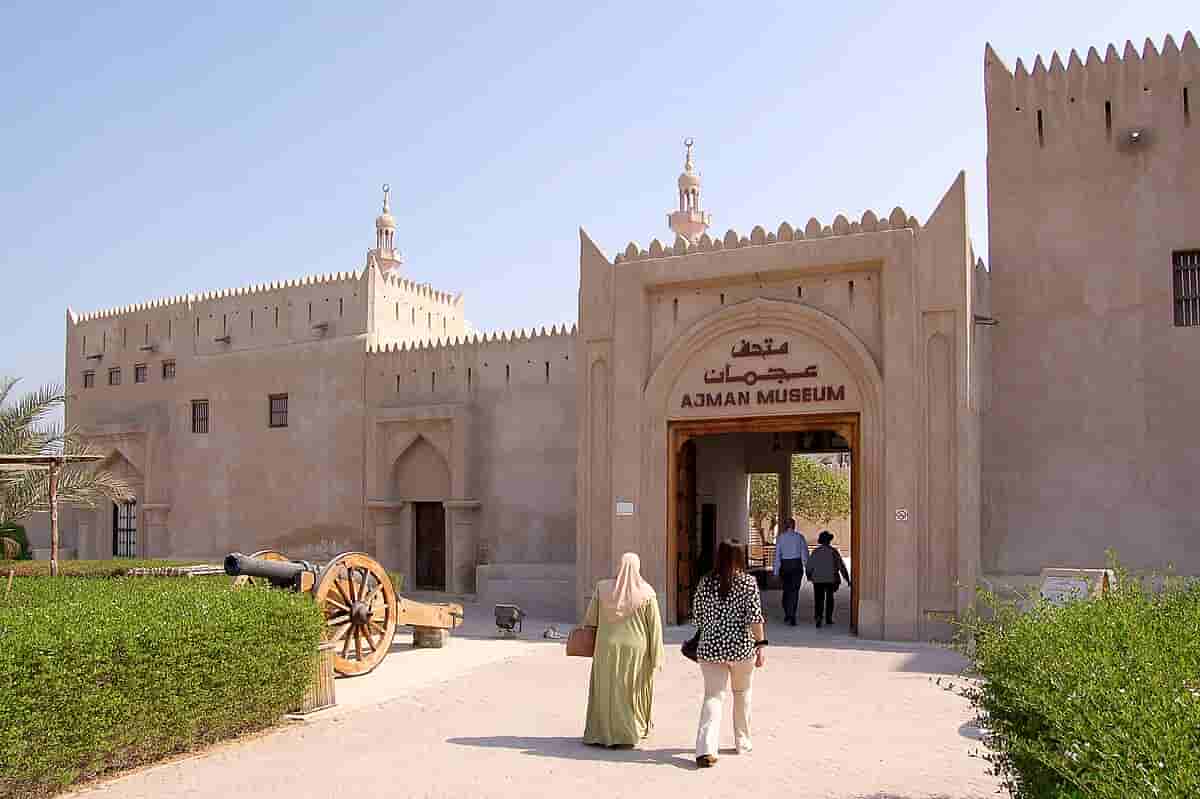
Ajman Museum
Discover the rich cultural heritage of Ajman at this fascinating museum featuring ancient artifacts and interactive exhibits.
Ajman Corniche
A beautiful waterfront promenade perfect for evening strolls, cycling, and enjoying views of the Arabian Gulf.
City Centre Ajman
A major shopping mall featuring a wide range of international brands, a food court, and entertainment options.
Al Zorah Nature Reserve
A protected area with mangroves, birdwatching, and kayaking opportunities.
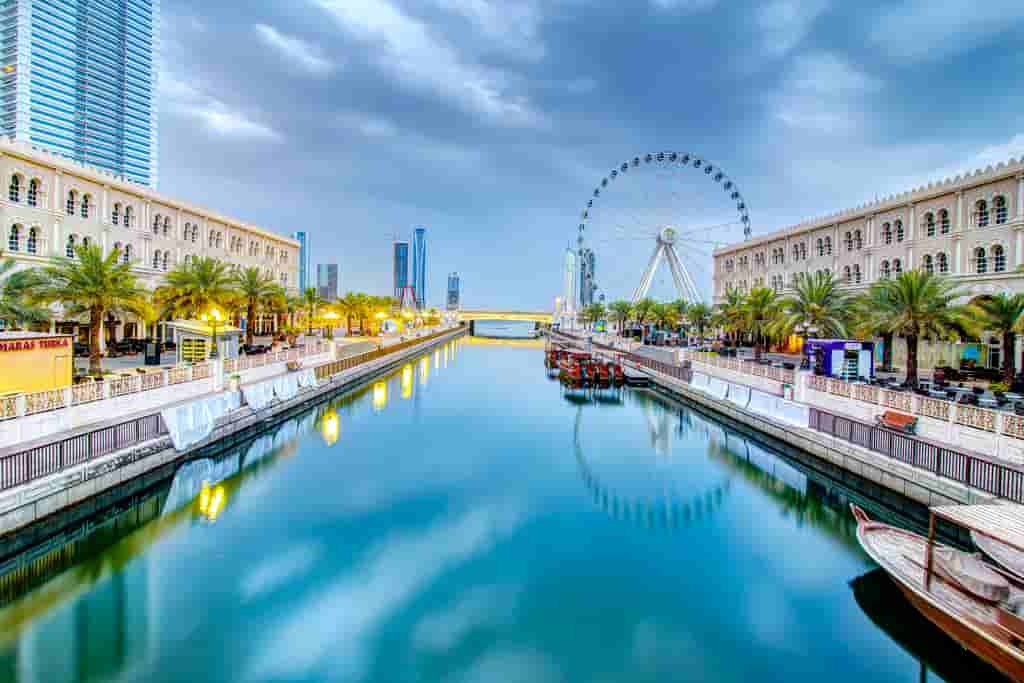
Sharjah
Neighboring emirate known for its cultural sites and museums.
Sharjah Aquarium
Aquarium featuring diverse marine life from the Arabian Gulf.
Ajman City Center
Shopping and markets
Ajman Souq
Traditional marketplace
Ajman Golf Club
Premier golf destination
Ajman Dhow Building Yard
Witness the centuries-old tradition of dhow boat building and explore the intricate craftsmanship up close.
Al Zorah Golf Club
Championship golf course designed by Nicklaus
Ajman Beach
Relax on the pristine sandy beach and enjoy the stunning views of the Arabian Gulf.
🏘️ Neighborhoods
Corniche Area
The heart of Ajman, featuring the long waterfront promenade, Ajman Museum, and the old souq. Lined with cafes and hotels.
Al Jurf
A modern, fast-growing residential and commercial district with villas, apartment complexes, and shopping centers. More suburban feel.
Al Zorah
An upscale, master-planned development known for its luxury resorts, mangrove nature reserve, and championship golf course.
Al Nuaimiya
A central district housing government buildings, the City Centre Ajman mall, and a mix of residential and commercial properties.
Emirates City
A large residential compound area popular with expatriates, featuring townhouses and apartments with community facilities.
Al Rashidiya
A traditional and densely populated area close to the city center, offering a very local vibe with markets and everyday life.
🍽️ Local Cuisine
Ajman's culinary scene reflects its coastal heritage and the broader Emirati and Levantine influences of the region. Signature dishes you must try include Machboos (spiced rice with meat or fish), Harees (a savory wheat and meat porridge), and fresh grilled seafood like Hammour (grouper). Dining culture is a mix of traditional Arabic restaurants, bustling Indian and Pakistani eateries, and international hotel venues. For an authentic experience, head to the local cafeterias or the Ajman Souq area. Popular food areas include the Corniche for casual cafes with views and the City Centre Ajman for a wide variety of international chains. Price ranges vary from budget-friendly shawarma and falafel stands (under $5) to mid-range family restaurants ($15-$30 per person) and high-end hotel buffets ($50+). Etiquette is generally relaxed; it's polite to accept Arabic coffee and dates when offered. While alcohol is served in licensed hotel bars and clubs, public consumption is prohibited.
💡 Local Tips
🚗 Day Trip Ideas
Sharjah
The cultural capital of the UAE, home to the Sharjah Museum of Islamic Civilization, Heritage Area, and Blue Souq.
Dubai
The global metropolis famous for the Burj Khalifa, Dubai Mall, Palm Jumeirah, and vibrant neighborhoods.
Umm Al Quwain
A quiet neighboring emirate known for its mangrove forests, Dreamland Aqua Park, and historic fort.
Hatta
A mountainous enclave of Dubai offering hiking, kayaking in Hatta Dam, and heritage village visits.
Fujairah
The emirate on the Gulf of Oman, famed for its beaches, mountains, and historic forts like Al Bithnah.
Ras Al Khaimah
Known for Jebel Jais, the UAE's highest mountain, adventure activities, and historical sites like Dhayah Fort.
🛡️ Safety Tips
Ajman is an exceptionally safe city with a very low crime rate. Violent crime against tourists is extremely rare. Common sense precautions apply: secure valuables, be aware of your surroundings in crowded areas, and only use licensed taxis. There are no specific high-risk areas, but as in any city, quieter spots at night are best navigated with company. Be cautious of potential scams like unofficial tour guides or inflated prices in some tourist-facing shops; always agree on prices beforehand. Health-wise, drink bottled water, use sunscreen diligently, and be prepared for the heat. Emergency numbers are 999 for police, 998 for ambulance, and 997 for fire. Respect local laws and customs: public displays of affection are frowned upon, and drunken behavior in public is illegal. Dress modestly when outside hotel/resort areas.
💰 Budget Guide
Ajman can be a very affordable destination compared to Dubai or Abu Dhabi. A budget traveler can manage on $50-70 per day by staying in a budget hotel or apartment ($40-60), eating at local cafeterias and shawarma stands ($10-15), using public buses ($2-5), and enjoying free attractions like the Corniche and souqs. A mid-range traveler should budget $100-150 per day, covering a comfortable 3-4 star hotel ($80-120), meals at mid-range restaurants ($25-40), taxi rides ($15-20), and paid attractions like the museum or a mangrove tour. A luxury experience starts at $250+ per day, with 5-star beachfront resorts ($150+), fine dining ($80+), private transfers, and golfing. Money-saving tips: visit in the summer for lower hotel rates, use public transport to neighboring emirates, eat at local 'cafeterias', bargain in the souqs, and focus on free beaches and parks.