Welcome to Dubai
Dubai, a shimmering mirage made real, rises from the Arabian Desert as a testament to audacious vision and limitless ambition. This city of superlatives in the United Arab Emirates is where ancient traditions meet futuristic innovation, creating a destination unlike any other on Earth. From the world's tallest building, the Burj Khalifa, piercing the clouds to the palm-shaped archipelago visible from space, Dubai constantly redefines the possible. It's a global crossroads, a shopper's paradise, and a culinary capital, all wrapped in the warm hospitality of Emirati culture. With over 2538 hotels ranging from opulent seven-star palaces to chic boutique stays, the city offers a bed for every dream and budget, ensuring your visit is as comfortable as it is unforgettable. Whether you seek adrenaline on the dunes, serenity in a spa, or the buzz of a world-class metropolis, Dubai delivers with dazzling style.
Overview
Dubai's story is a remarkable transformation from a modest pearling village to a 21st-century global icon. While its modern skyline is legendary, the city's heart still beats in the historic districts of Al Fahidi and along the Dubai Creek, where abras (water taxis) ply the waters as they have for centuries. The city is famous for its record-breaking architecture, extravagant shopping malls, and man-made islands like the Palm Jumeirah. Culturally, it presents a fascinating blend: a deeply rooted Islamic heritage coexists with a profoundly international population, creating a tolerant and cosmopolitan atmosphere. Key districts include Downtown Dubai (home to the Burj Khalifa and Dubai Mall), the luxurious beachfront of Jumeirah, the bustling Dubai Marina with its skyscraper-lined promenade, and the traditional souks of Deira. Dubai is a city of constant evolution, where every visit reveals something new.
🗓️ Best Time to Visit
The ideal time to visit Dubai is during the cooler winter months, from November to early April. During this period, daytime temperatures are pleasantly warm (low to mid-20s °C / 70s-80s °F), making outdoor exploration, desert safaris, and beach time thoroughly enjoyable. This is the peak tourist season, coinciding with major events like the Dubai Shopping Festival (December-January) and the Dubai Food Festival (February-March). The summer months (May to October) are extremely hot and humid, with temperatures often exceeding 40°C (104°F). This is the off-peak season, where you'll find lower hotel rates, but outdoor activities are limited to early mornings or evenings. Regardless of season, Dubai's indoor attractions—from malls to ski slopes—offer climate-controlled escapes.
🌤️ Weather & Climate
Dubai has an arid desert climate characterized by year-round sunshine, extremely hot summers, and warm, pleasant winters. Rainfall is minimal and sporadic, mostly occurring in the winter months.
Seasons
Winter (Cool Season)
💨 Humidity: moderate
Pleasant and sunny days with cooler evenings. Ideal for all outdoor activities and sightseeing.
Summer (Hot Season)
💨 Humidity: high (especially coastal areas)
Extremely hot and humid. Outdoor activities are limited to early morning or evening, with reliance on air-conditioned spaces.
Monthly Weather Details
January Weather
Best for: sightseeing, beach, desert safaris
February Weather
Best for: sightseeing, beach, outdoor events
March Weather
Best for: beach, water sports, outdoor dining
April Weather
Best for: poolside, evening outings, mall shopping
May Weather
Best for: indoor attractions, early morning tours
June Weather
Best for: indoor attractions, nightlife
July Weather
Best for: indoor attractions, water parks (morning)
August Weather
Best for: indoor attractions, luxury mall shopping
September Weather
Best for: indoor attractions, spa visits
October Weather
Best for: beach (late month), outdoor dining (evening)
November Weather
Best for: desert safaris, golf, all outdoor activities
December Weather
Best for: sightseeing, festive events, beach
🎒 What to Pack
All Year Round
- sunglasses
- sunscreen (high SPF)
- hat
- modest clothing for visiting mosques
🚗 Getting Around
Dubai boasts a modern, efficient, and affordable public transport system. The Dubai Metro, with its driverless trains, is a clean and fast way to travel along Sheikh Zayed Road and to key attractions. It connects seamlessly to the extensive bus network, trams in Dubai Marina and Jumeirah Beach Residence, and water buses and abras on the Creek. For direct point-to-point travel, taxis are plentiful, metered, and reasonably priced. Ride-hailing apps like Careem and Uber are also widely used. While the city is not particularly walkable between districts due to its scale and heat, areas like Downtown, Dubai Marina, and The Pointe are designed for pedestrians. A Nol card is essential for paying for all public transport. From Dubai International Airport (DXB), the Metro's Red Line offers a cheap connection to the city, while taxis and pre-booked private transfers provide door-to-door convenience.
🎯 Top Attractions
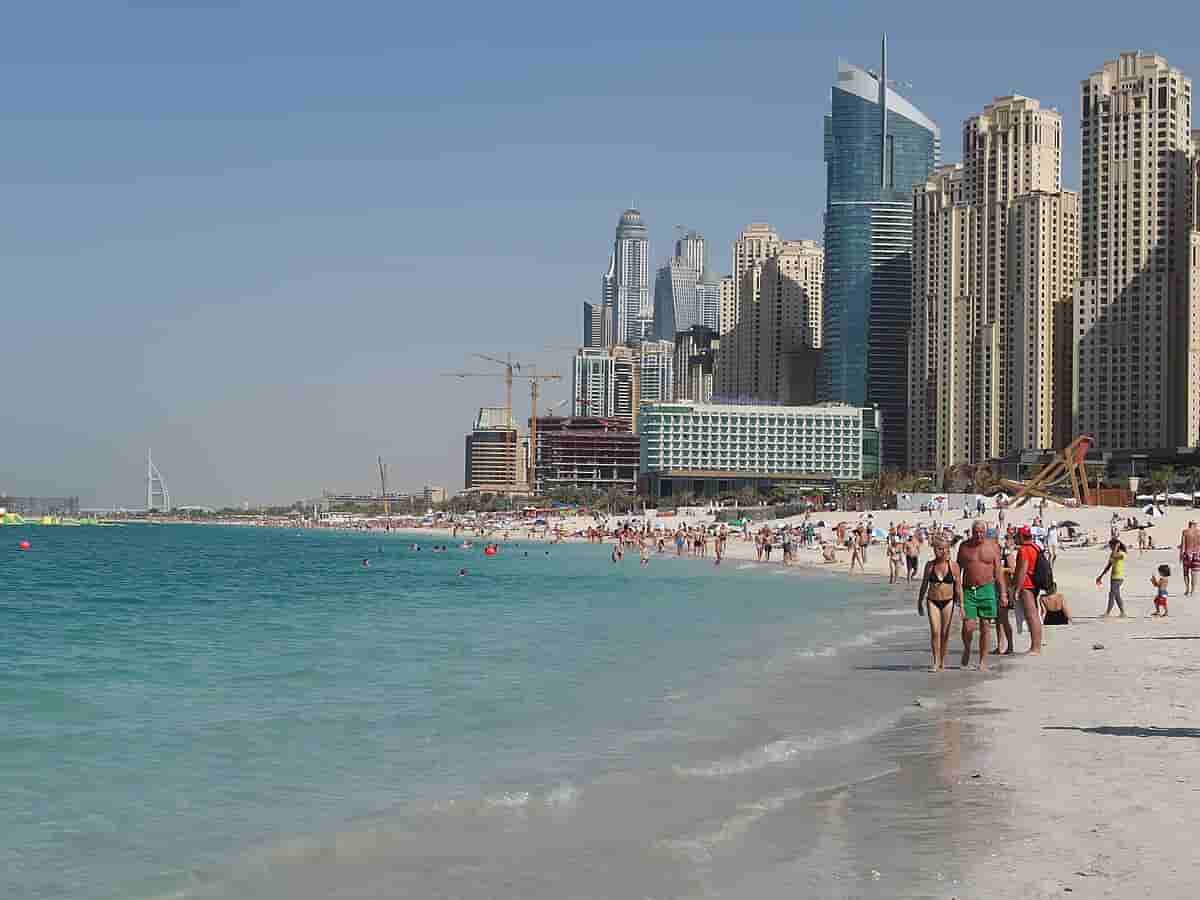
Jumeirah Beach
Enjoy direct access to one of Dubai's most famous public beaches, known for its soft white sand and stunning views of the Burj Al Arab.
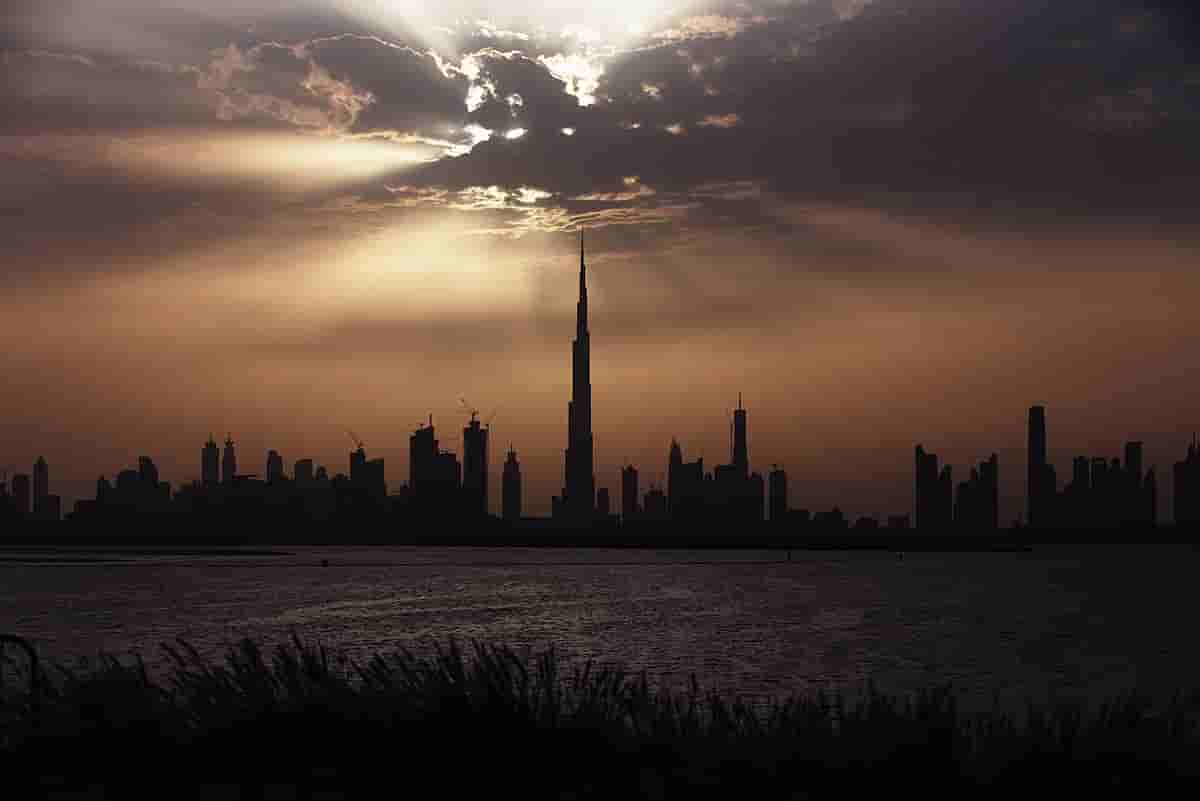
Burj Khalifa
Soar to the 'At the Top' observation deck on the 124th floor of the world's tallest building for breathtaking panoramic city views.
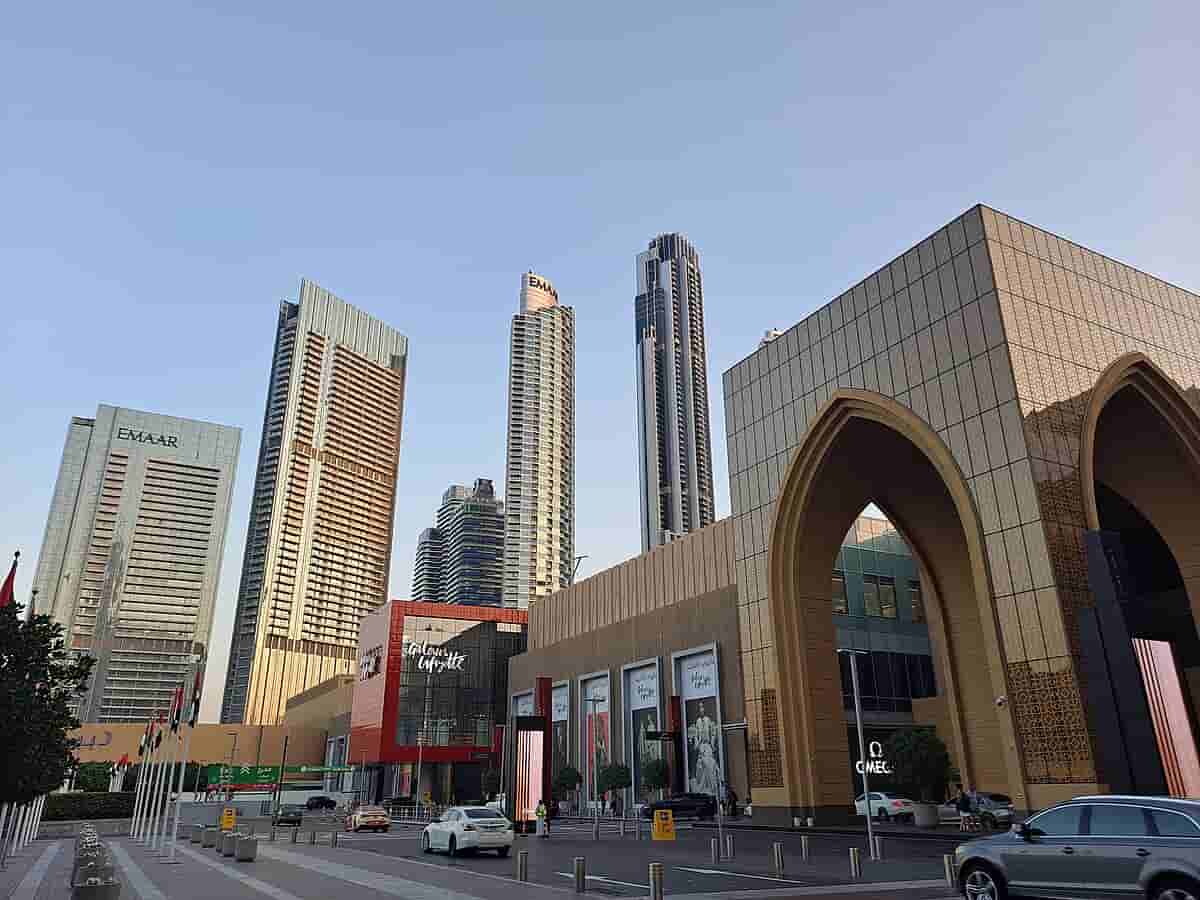
Dubai Mall
Shop, dine, and experience the best of entertainment at this iconic shopping destination, home to luxury brands, an aquarium, and more.
The Dubai Mall
One of the largest shopping malls in the world, featuring an extensive selection of shops, dining, and entertainment experiences.
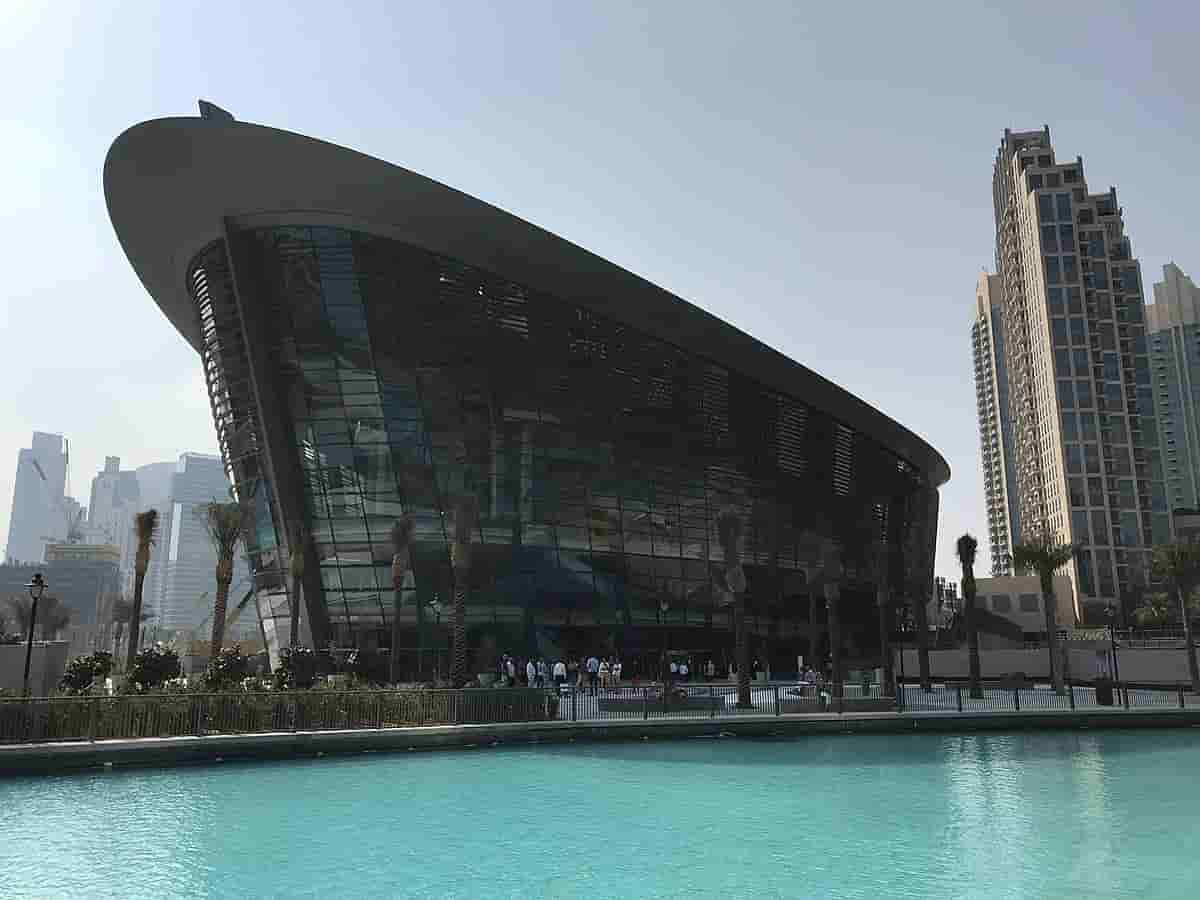
Dubai Opera
A stunning dhow-shaped venue hosting world-class opera, ballet, theatre, and concert performances in the heart of Downtown.
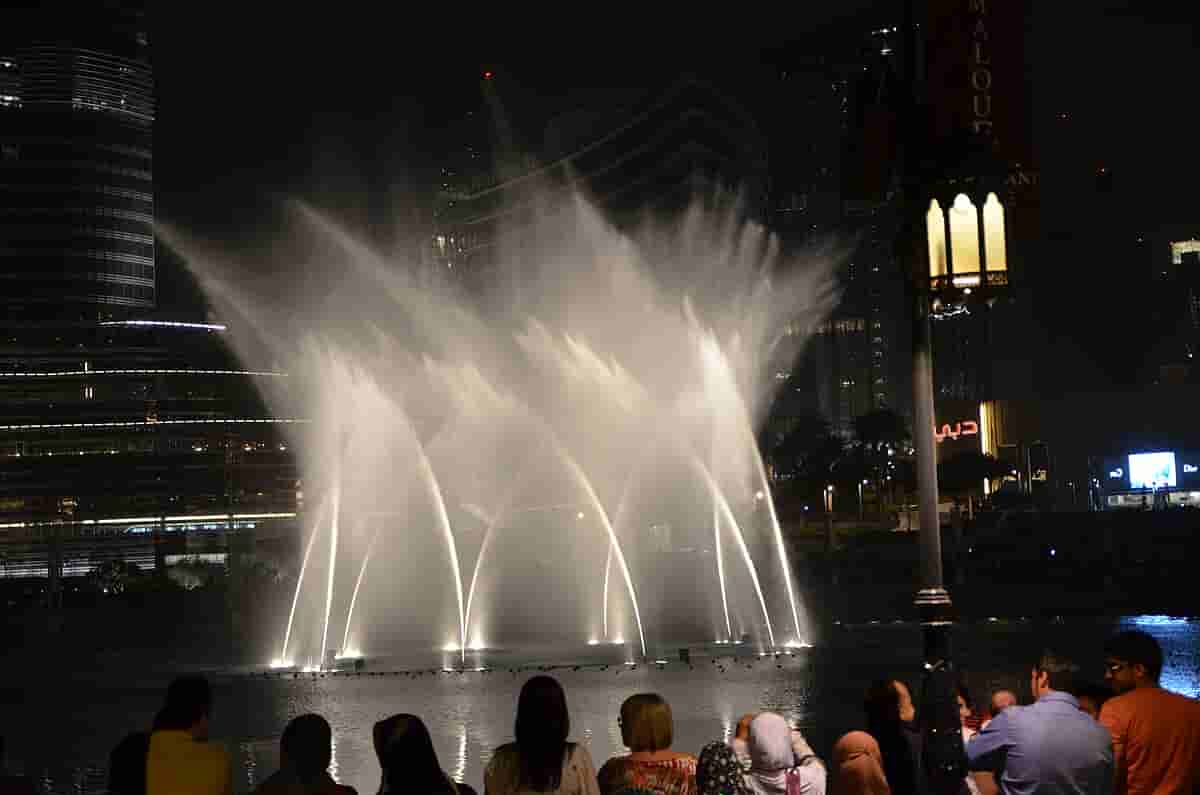
Dubai Fountain
The world's largest choreographed fountain system, set on the Burj Khalifa Lake, with performances set to light and music.
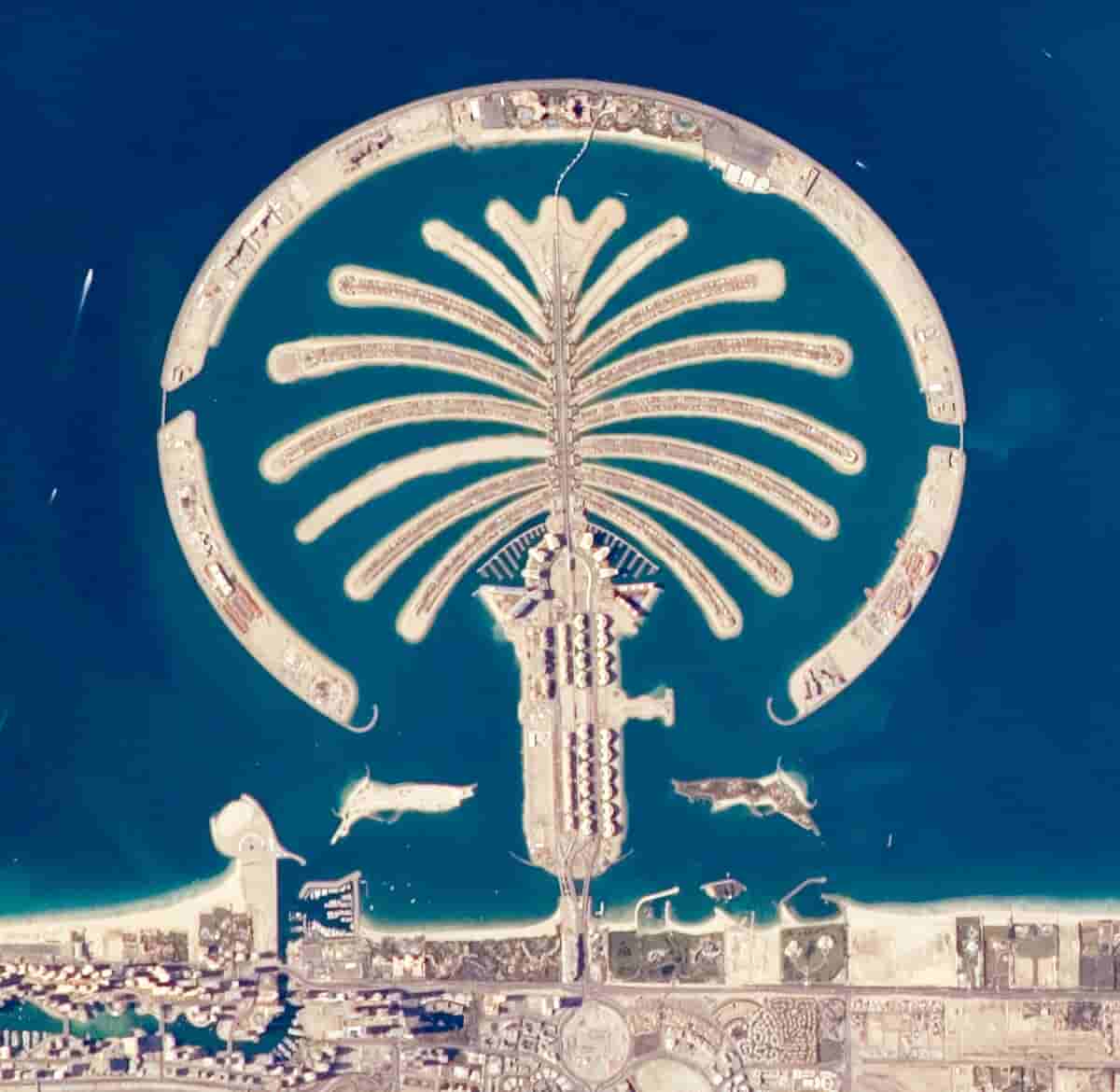
Palm Jumeirah
A man-made archipelago known for its luxurious hotels, restaurants, and residential neighborhoods with stunning views of the Arabian Gulf.

The Pointe
A vibrant Palm Jumeirah destination featuring a spectacular fountain show, over 80 restaurants and shops, all with stunning views of the Atlantis.
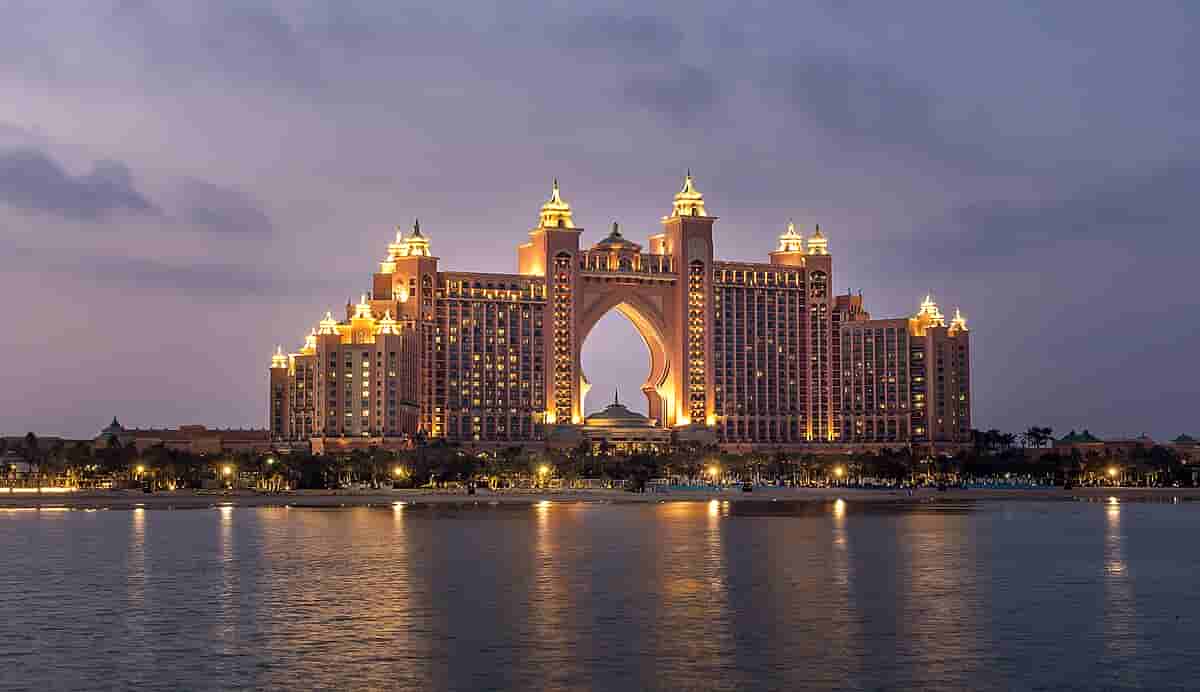
Atlantis The Palm
Visit this legendary resort to experience Aquaventure Waterpark, The Lost Chambers Aquarium, and a host of world-class dining options.
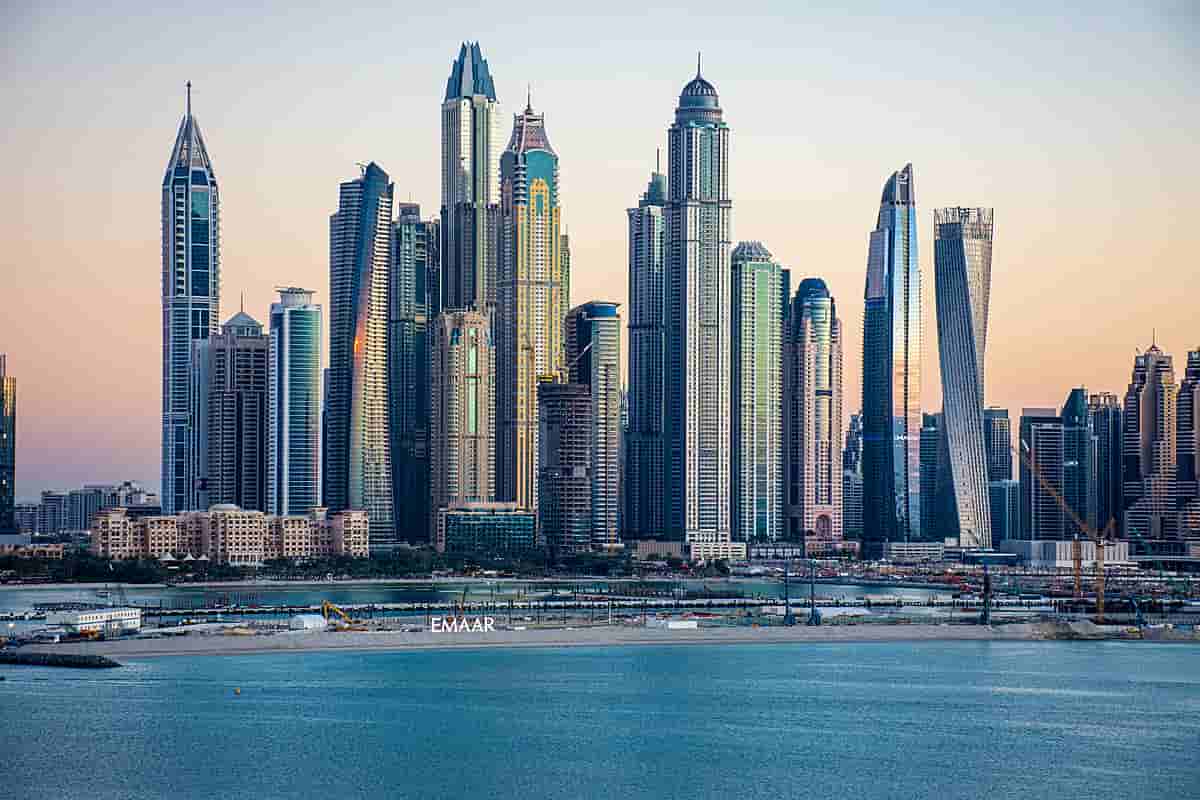
Dubai Marina
Marvel at the impressive skyline of this man-made marina, home to countless residential towers, luxury yachts, and waterfront dining.
JBR Beach
A popular public beach with soft sand, water sports, and vibrant dining options.
The Walk at JBR
A vibrant waterfront promenade buzzing with shops, cafes, street performers, and direct access to the beach, offering endless entertainment.
🏘️ Neighborhoods
Downtown Dubai
The epicenter of modern Dubai, home to the Burj Khalifa, The Dubai Mall, and the Dubai Fountain. A bustling district of superlatives and luxury.
Dubai Marina
A dazzling man-made marina lined with skyscrapers, yacht-filled waters, and a lively promenade packed with restaurants and cafes.
Jumeirah
An upscale coastal residential area featuring beautiful public beaches, the iconic Burj Al Arab, and villa-lined streets.
Deira & Bur Dubai
The historic heart of the city, centered on the Dubai Creek. Home to traditional souks, museums, and a more authentic, bustling atmosphere.
Palm Jumeirah
The famous palm-tree-shaped island, hosting luxury resorts like Atlantis The Palm, exclusive beaches, and high-end villas.
Al Fahidi Historical Neighbourhood
A beautifully preserved district of wind-tower houses, art galleries, and museums offering a glimpse into Dubai's past.
Business Bay
A modern central business district adjacent to Downtown, with a growing number of hotels, offices, and dining options along a new canal.
Jumeirah Beach Residence (JBR)
A vibrant, pedestrian-friendly beachfront community with The Walk, a long promenade of shops, eateries, and direct beach access.
🍽️ Local Cuisine
Dubai's dining scene is a spectacular reflection of its multicultural fabric, offering everything from humble street food to Michelin-starred experiences. Must-try Emirati dishes include machboos (spiced rice with meat or fish), harees (a savory wheat and meat porridge), and luqaimat (sweet, sticky dumplings). For a true local experience, visit a traditional Arabic restaurant or a Lebanese mezze house. Popular food areas range from the global kitchens of Dubai Mall's Food Court to the authentic alleyways of Al Dhiyafah Road and the trendy eateries of City Walk. Shawarma from a street-side joint is a delicious and budget-friendly staple. Dining etiquette is generally relaxed but respectful; dressing modestly is appreciated. Price ranges are vast, from a 20 AED shawarma to a multi-thousand dirham tasting menu. Friday brunch is a beloved weekly social institution.
💡 Local Tips
🚗 Day Trip Ideas
Abu Dhabi
Visit the UAE's capital to see the majestic Sheikh Zayed Grand Mosque, the Louvre Abu Dhabi, and the futuristic Yas Island.
Al Ain
Explore the 'Garden City,' a UNESCO World Heritage site with ancient forts, lush oases, and the Jebel Hafeet mountain.
Hatta
A scenic mountain enclave offering hiking, kayaking on Hatta Dam, and heritage village tours, perfect for nature lovers.
Sharjah
The UAE's cultural capital, known for its excellent museums, traditional architecture, and strict adherence to local customs.
Dubai Desert Conservation Reserve
For an authentic and eco-friendly desert experience away from the crowded commercial safaris, with wildlife spotting and serene dunes.
Fujairah
Travel to the east coast for stunning beaches on the Gulf of Oman, snorkeling, and the historic Fujairah Fort.
🛡️ Safety Tips
Dubai is considered one of the safest cities in the world for travelers, with low crime rates and a strong police presence. However, standard precautions apply: be aware of your belongings in crowded areas. Common scams are rare but can include 'friendship bracelets' being tied on your wrist in souks and then a demand for payment, or unofficial tour operators. Be cautious when crossing multi-lane roads, even at crossings. Respect local laws and customs: public displays of affection are frowned upon, and drinking alcohol is only permitted in licensed venues. Dress modestly in public areas. Emergency numbers are 999 for police, 998 for ambulance, and 997 for fire. Tap water is safe to drink but is often desalinated, so most residents and visitors prefer bottled water.
💰 Budget Guide
Dubai can cater to any budget, though it's known for luxury. A budget traveler can manage on 250-400 AED ($70-$110) per day by staying in hostels or budget hotels in Deira/Bur Dubai, eating at local cafés and street food stalls, and using public transport. Mid-range travelers (600-1000 AED / $165-$275 daily) can enjoy comfortable 4-star hotels, nicer restaurant meals, occasional taxis, and paid attractions like Burj Khalifa 'At the Top'. A luxury experience (1500+ AED / $410+ daily) includes 5-star resorts, fine dining, private tours, and premium experiences like helicopter tours. Save money by visiting during summer (lower hotel rates), using the Metro, seeking out free attractions like the Dubai Fountain show, and drinking water from bottles bought at supermarkets. Many beaches and public parks are free.