Welcome to Fujairah
Fujairah, the emirate of mountains and sea, offers a dramatically different experience from the glittering skylines of its western neighbors. As the only UAE emirate with a coastline entirely on the Gulf of Oman, it presents a rugged, authentic Arabian charm defined by the Hajar Mountains plunging into turquoise waters. This is the UAE's outdoor adventure capital and historical heart, home to the country's oldest mosque and a string of pristine beaches. With its more relaxed pace and stunning natural scenery, Fujairah is the perfect antidote to urban bustle. Travelers are well catered for with a selection of 34 hotels, ranging from beachfront resorts to comfortable city stays, ensuring options for every type of visitor. A one-day visit can pack in centuries of history, world-class snorkeling, and breathtaking mountain drives, making it an essential and contrasting chapter in any UAE itinerary.
Overview
Fujairah's history is deeply rooted in its strategic coastal location, serving as a maritime hub long before the federation of the UAE. Governed by the Al Sharqi family since the 19th century, its culture is less influenced by the oil boom and retains a strong Bedouin and fishing heritage. The emirate is famous for its dramatic geography: the Hajar Mountains form a stunning backdrop to coastal plains, creating wadis (dry riverbeds) and fertile areas. It is renowned for historical sites like the 16th-century Al Badiyah Mosque and the imposing Fujairah Fort, which guarded the region. The city is also a major port, with the Port of Fujairah being one of the world's largest bunkering hubs. Culturally, it's known for traditional activities like bull-butting and the annual Fujairah International Monodrama Festival. The main districts include the coastal city center around the Corniche, the resort strip of Al Aqah further north, and the enclaves of Dibba and Khor Fakkan on the Musandam Peninsula.
🗓️ Best Time to Visit
The ideal time to visit Fujairah is from October to April, during the cooler winter and spring months. This period offers pleasant, sunny days with average temperatures between 25°C and 30°C (77°F-86°F), perfect for beach activities, snorkeling at Snoopy Island, and exploring the mountains. This is the peak tourist season. The summer months from May to September are extremely hot and humid, with temperatures often exceeding 40°C (104°F) and high humidity, making outdoor exploration challenging; this is the off-peak season with lower hotel rates. Major events include the Fujairah International Arts Festival (typically in January), showcasing local and international talent, and various heritage celebrations. The cooler months also coincide with the date harvest season, offering cultural insights. For those seeking solitude, the hot summer can be bearable if you plan for early morning or late afternoon activities and focus on resort-based stays.
🌤️ Weather & Climate
Fujairah has a hot desert climate, but its coastal location on the Gulf of Oman leads to higher humidity than the interior desert. Summers are extremely hot and humid, while winters are warm and pleasant with minimal rainfall.
Seasons
Winter
💨 Humidity: moderate
Pleasant, sunny days and cooler evenings. Ideal for all outdoor activities, beach visits, and sightseeing.
Summer
💨 Humidity: high
Extremely hot and humid, especially in July and August. Outdoor activities are best limited to early morning or water-based pursuits.
Shoulder Seasons
💨 Humidity: moderate to high
Warm and becoming humid. A good time to visit with fewer crowds, though temperatures rise in late April.
Monthly Weather Details
January Weather
Best for: sightseeing, hiking, beach
February Weather
Best for: sightseeing, hiking, beach
March Weather
Best for: sightseeing, hiking, beach
April Weather
Best for: beach, early hiking
May Weather
Best for: water sports, early morning activities
June Weather
Best for: indoor/resort, snorkeling
July Weather
Best for: indoor/resort, snorkeling
August Weather
Best for: indoor/resort, snorkeling
September Weather
Best for: water sports, early morning activities
October Weather
Best for: beach, sightseeing
November Weather
Best for: sightseeing, hiking, beach
December Weather
Best for: sightseeing, hiking, beach
🎒 What to Pack
All Year Round
- sunscreen (high SPF)
- sunglasses
- hat
- reusable water bottle
- modest clothing for public areas
🚗 Getting Around
Public transportation in Fujairah is limited. There is no metro, and public buses are infrequent and not tourist-friendly. The most convenient and common way for visitors to get around is by taxi. Taxis are metered, relatively inexpensive, and widely available. Ride-hailing apps like Careem and Uber also operate in the city. For maximum flexibility, especially for visiting mountain wadis or the Dibba enclaves, renting a car is highly recommended. Driving is on the right, roads are excellent, and international rental agencies are present. Walking is feasible along the Corniche and within specific districts like the fort area, but the city is spread out and summer heat discourages long walks. Biking is not a common mode of transport for visitors. Fujairah International Airport (FJR) is small, primarily serving regional flights; transfers to city hotels are best done via pre-booked hotel shuttle, taxi, or rental car, with a journey time of 10-20 minutes. A taxi from the city center to Al Aqah beach (45km north) costs approximately 100-150 AED.
🎯 Top Attractions
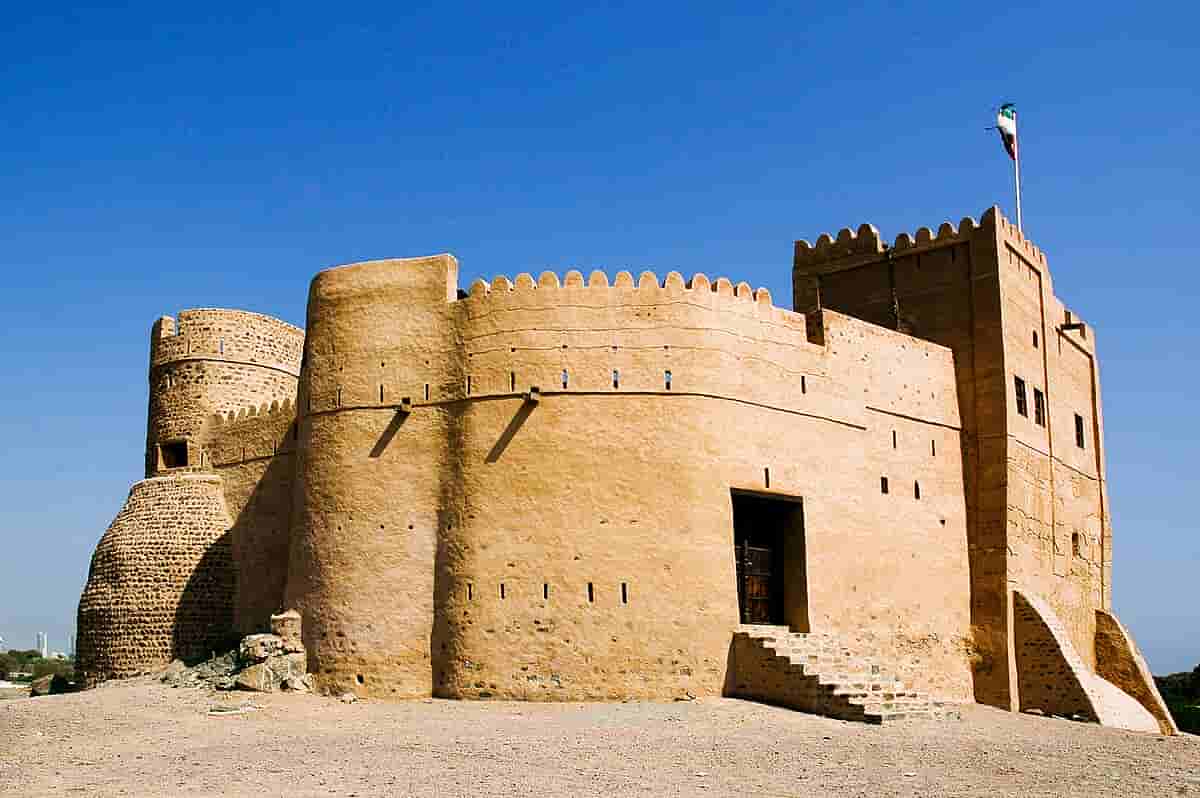
Fujairah Fort
A historical fort built in the 16th century, showcasing Fujairah’s rich cultural heritage and offering panoramic views of the city.
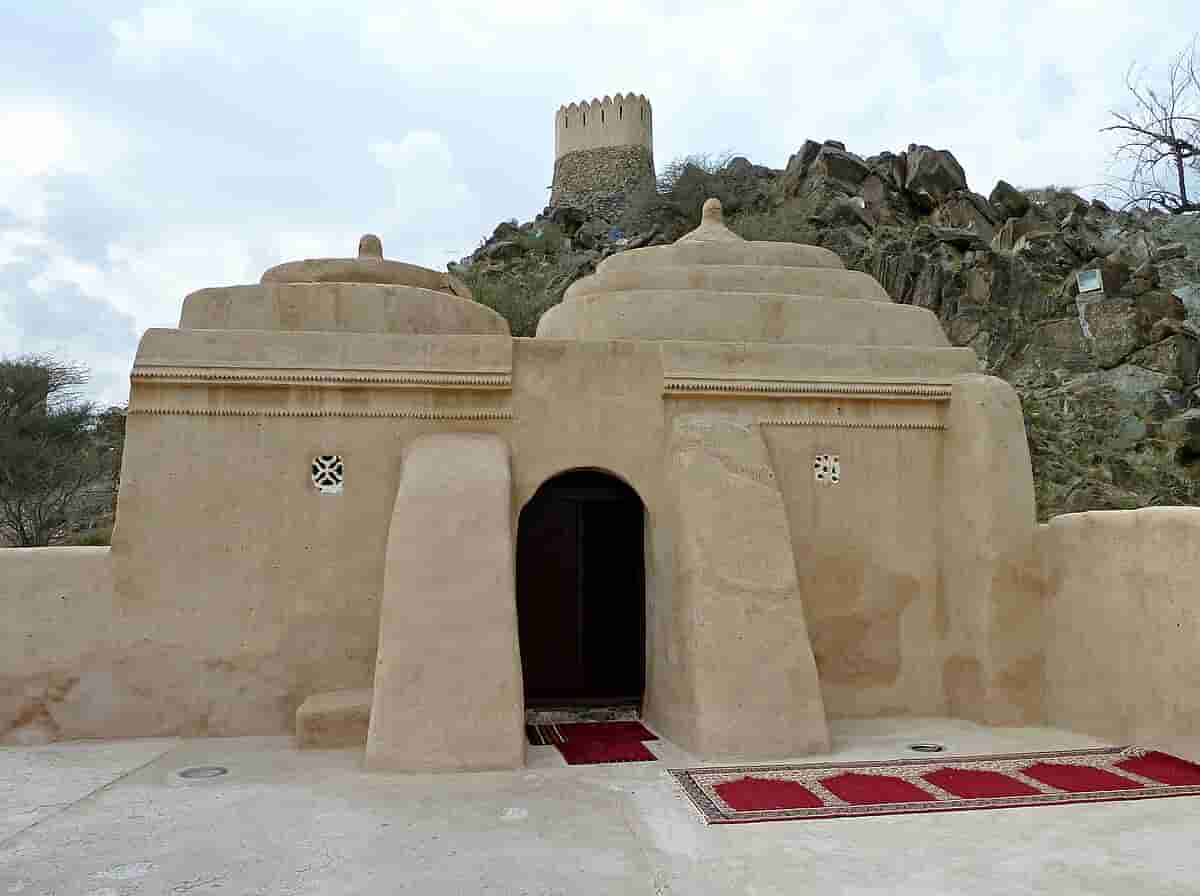
Al Badiyah Mosque
The oldest known mosque in the United Arab Emirates, an ancient and beautifully simple structure open to visitors.
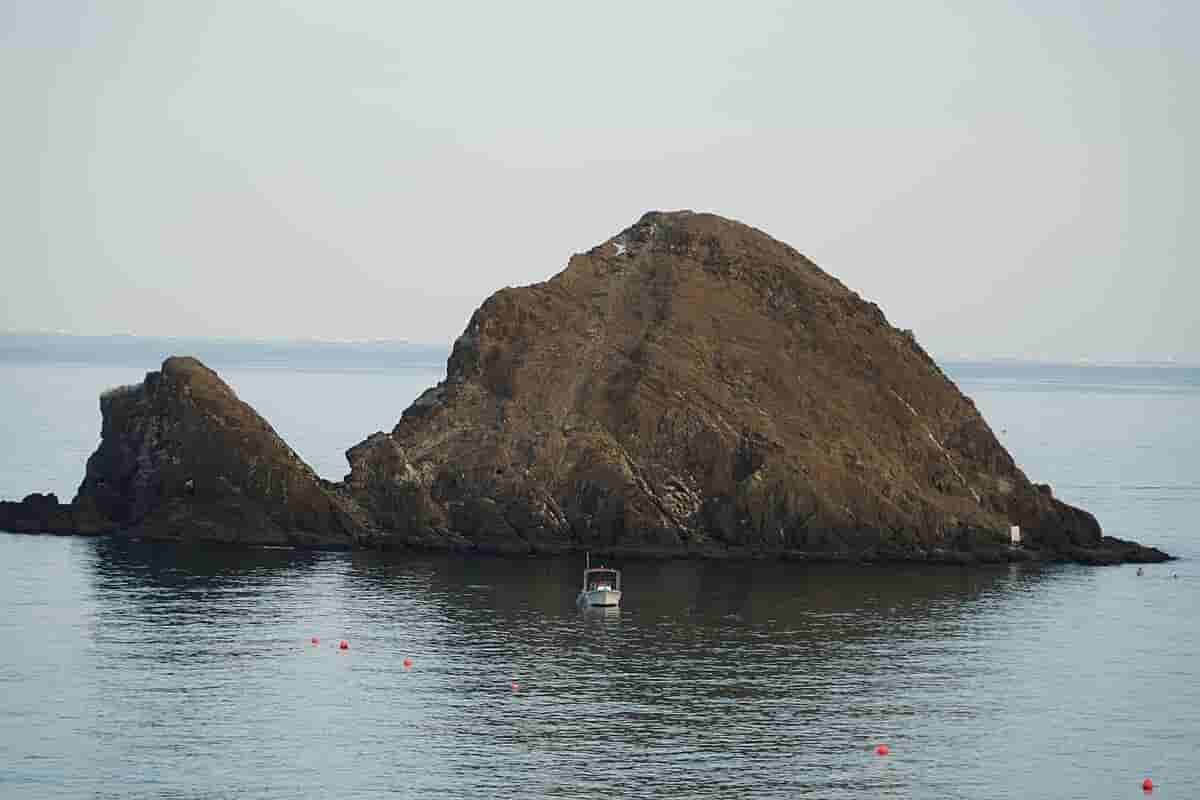
Snoopy Island
A famous snorkeling and diving spot just offshore, known for its clear waters, vibrant coral, and diverse marine life.
Fujairah Beach
Pristine beach with calm waters ideal for swimming and sunbathing.
Sheikh Zayed Mosque
A magnificent mosque with stunning architecture and peaceful ambiance.

Fujairah Corniche
Waterfront promenade ideal for walks and sunset views.
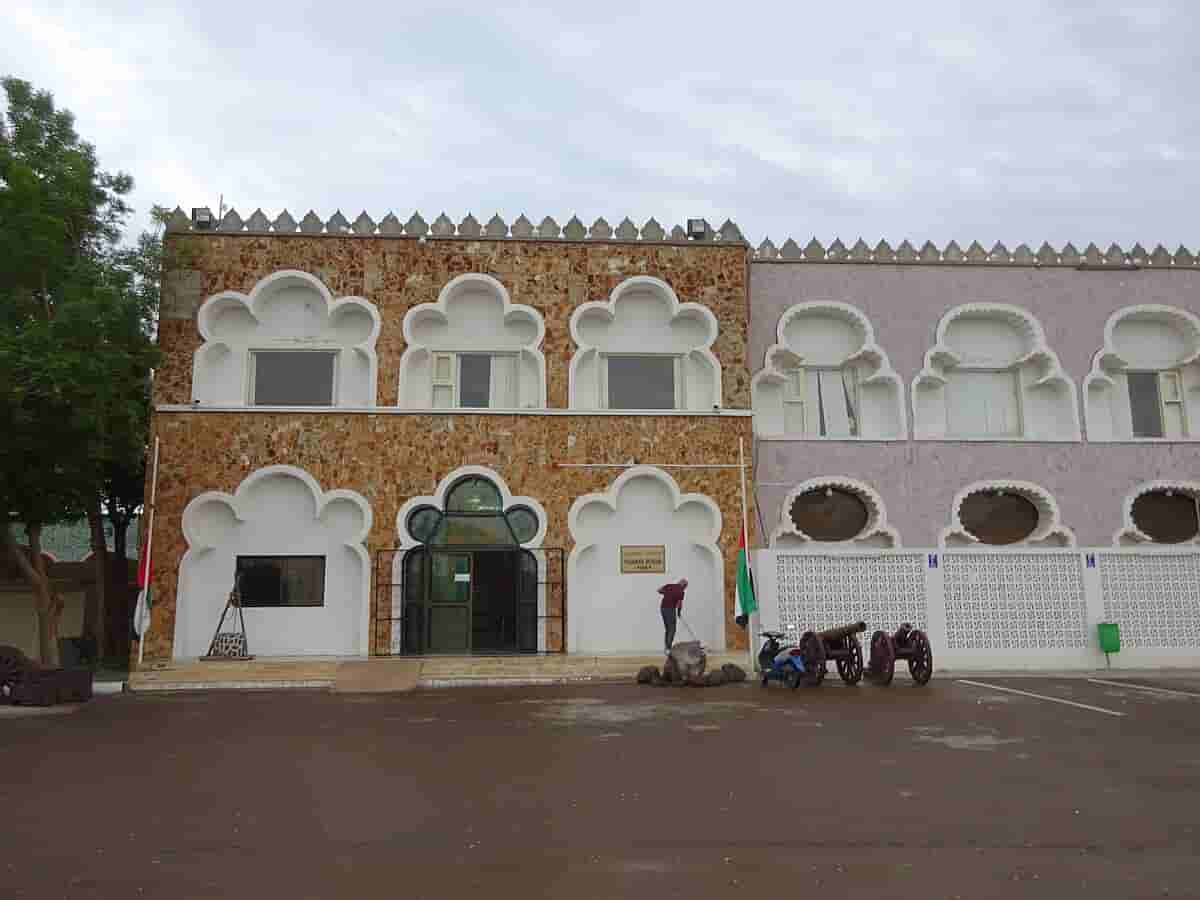
Fujairah Museum
A museum offering insights into the history and culture of Fujairah, featuring artifacts and exhibits on traditional life.
Al Aqah Beach
Pristine coastline and watersports center perfect for families and relaxation.
Dibba Omani Heritage Village
Traditional fishing village and heritage site with cultural insights and coastal views.
Dibba Port
Working port area offering local dining and a glimpse of maritime life.
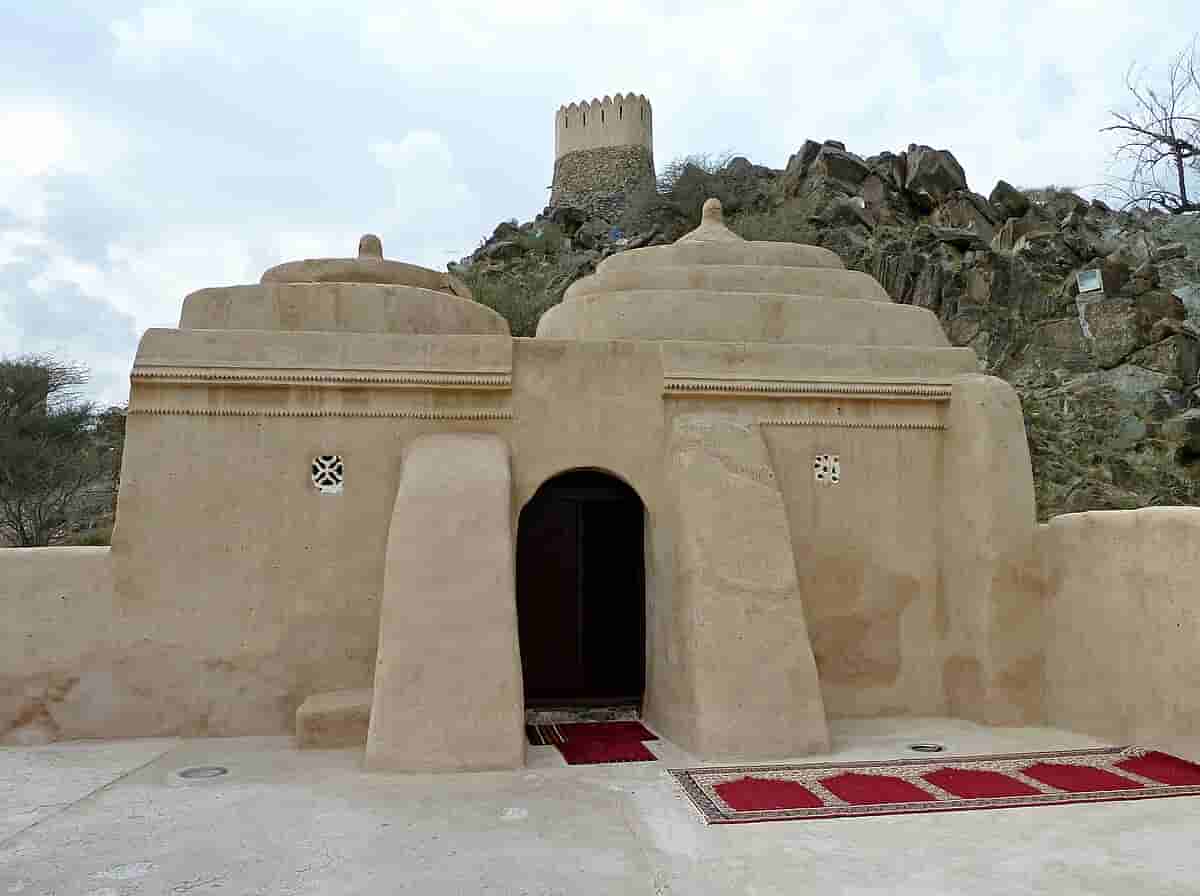
Al Bidyah Mosque
The oldest mosque in the UAE, offering a glimpse into the country’s early Islamic history and stunning architecture.
Khorfakkan Beach
Scenic beach with coral reefs and water sports
🏘️ Neighborhoods
Fujairah City Centre
The administrative and commercial heart, home to the Corniche, museums, the fort, and main shopping areas. A mix of government buildings, hotels, and local businesses.
Al Aqah
The premier beach resort strip north of the city, featuring luxury hotels, pristine beaches, and direct access to Snoopy Island for snorkeling.
Dibba
A coastal town divided between three governments. The Fujairah part offers fishing villages, the Omani Heritage Village, and stunning mountain-meets-sea scenery.
Khor Fakkan
A Sharjah enclave on the Fujairah coast, known for its beautiful corniche, amphitheater, and the iconic Shark Island. A bustling port town with its own charm.
Al Faseel
A quieter residential and hotel area near the city center, close to the beach and the Fujairah Trade Centre. Offers a more local living feel.
Al Gurfa
A developing area with newer residential compounds and some hotel apartments. Provides a modern, suburban atmosphere slightly inland.
Qidfa
A coastal area between the city and Al Aqah, known for the Qidfa Fort and more secluded beach access. Less developed than Al Aqah.
Masafi
A mountain town inland on the Dubai-Fujairah highway, famous for its Friday Market (open daily), fresh mountain springs, and cooler temperatures.
🍽️ Local Cuisine
Fujairah's cuisine reflects its coastal and mountain heritage, with a strong emphasis on fresh seafood and traditional Emirati dishes. Must-try signature foods include Majboos (spiced rice with meat or fish), Harees (a wheat and meat porridge), and freshly caught grilled Hammour (local grouper) or Kingfish. Dining culture is a mix of casual beachside grills, hotel restaurants, and traditional Arabic cafes. For an authentic experience, seek out local eateries near the port for the day's catch. Popular food areas include the Corniche for casual dining and the resorts in Al Aqah for international buffets. Price ranges vary: a meal at a local restaurant can cost 30-60 AED, while resort dining will be 150+ AED per person. Etiquette is generally relaxed, but it's respectful to dress modestly outside resort areas. Traditional dining often involves sharing from large communal platters, eaten with the right hand. Friday brunches at hotels are a popular social event.
💡 Local Tips
🚗 Day Trip Ideas
Khor Fakkan
Explore this scenic Sharjah enclave with its stunning corniche, amphitheater, and Shark Island. Visit the Khor Fakkan Beach and the Shees Park in the mountains.
Wadi Wurayah National Park
A biodiverse mountain reserve with hiking trails, freshwater pools, and waterfalls (seasonal). Requires a permit, often included with guided tours.
Dibba (Oman Side)
Cross the border (passport required) to explore the Omani side of Dibba. Enjoy even more rugged coastline, remote beaches, and dramatic fjord-like scenery.
Bithnah Fort
A beautifully restored 18th-century fort in a strategic mountain pass along the old trade route. Offers fantastic photo opportunities and historical insight.
Masafi & Friday Market
Drive into the Hajar Mountains to the town of Masafi. Browse the famous Friday Market (open daily) for pottery, carpets, and plants, and enjoy the cooler climate.
Snoopy Island & Al Aqah Beach
Dedicate a day to the premier beach area. Snorkel or dive around Snoopy Island, relax on Al Aqah Beach, and enjoy resort facilities.
🛡️ Safety Tips
Fujairah is an exceptionally safe city with very low crime rates. Violent crime against tourists is extremely rare. Common sense precautions are still advised: secure valuables, don't leave belongings unattended on the beach, and be cautious when driving on mountain roads. Scams are uncommon, but be wary of unsolicited offers or deals that seem too good to be true. There are no specific areas to avoid, but as always, be aware of your surroundings at night. Emergency numbers are 999 for police, 998 for ambulance, and 997 for fire. Health recommendations include staying hydrated, using high-SPF sunscreen, and ensuring you have comprehensive travel insurance. Tap water is generally safe but bottled water is recommended for drinking. Medical facilities are good, with both public hospitals and private clinics available.
💰 Budget Guide
Fujairah can cater to various budgets, though it's less budget-backpacker oriented than some destinations. A budget traveler could manage on 250-350 AED ($68-$95) per day by staying in a budget hotel or apartment (from 150 AED), eating at local cafeterias (30 AED per meal), using taxis sparingly, and focusing on free attractions like beaches and the fort. A mid-range traveler should budget 500-800 AED ($136-$218) per day for a comfortable 3-4 star hotel (300-500 AED), meals at a mix of local and mid-range restaurants, taxi travel, and paid activities like snorkeling trips. A luxury traveler will spend 1200+ AED ($327+) per day on 5-star beach resorts, fine dining, private tours, and spa treatments. Money-saving tips: visit in the hot summer for lower hotel rates, eat at local 'mandi' or grill restaurants, share taxi rides, and prioritize free natural attractions. Many resorts offer day passes for non-guests to use facilities for a fee.