Welcome to Al Ain
Nestled in the foothills of the majestic Hajar Mountains, Al Ain is the verdant 'Garden City' of the United Arab Emirates, a UNESCO World Heritage Site that offers a profound and authentic glimpse into the nation's soul. Far from the glittering skyscrapers of Abu Dhabi and Dubai, Al Ain's charm lies in its serene oases, ancient forts, and dramatic mountain landscapes. As the birthplace of the UAE's founding father, Sheikh Zayed bin Sultan Al Nahyan, the city is a living museum of Emirati heritage and tradition. Its unique geography, fed by ancient falaj irrigation systems, creates a lush, palm-filled haven in the heart of the desert. With a manageable scale perfect for exploration, visitors can comfortably base themselves in one of the city's 18 hotels, which offer an average nightly rate that makes an immersive cultural stay surprisingly accessible. Al Ain is not just a stopover; it's a destination for those seeking history, natural beauty, and a deeper understanding of the Emirates.
Overview
Al Ain, part of the Emirate of Abu Dhabi, is one of the world's oldest permanently inhabited settlements, with archaeological evidence dating back over 4,000 years. Its lifeblood has always been water, channeled through a 3,000-year-old falaj irrigation system that sustains its famous oases, the largest of which is the Al Ain Oasis with over 147,000 date palms. The city is famed as the birthplace of Sheikh Zayed, whose vision for preserving Emirati culture is evident in its impeccably restored forts and museums, including Al Jahili Fort and the Al Ain Palace Museum. Culturally, it's a conservative and family-oriented city, offering a more traditional experience than its coastal counterparts. Key districts include the central area around the oases and museums, the foothills of Jebel Hafeet mountain, and the modern developments surrounding Al Ain Zoo. It is famous for its archaeological sites, lush plantations, the challenging Jebel Hafeet Mountain Road, and its role as a cultural and educational hub.
🗓️ Best Time to Visit
The ideal time to visit Al Ain is during the cooler winter months, from October to early April. During this period, daytime temperatures are pleasant, ranging from the mid-20s to low 30s Celsius (70s-80s Fahrenheit), making outdoor exploration of oases, forts, and the mountain perfectly comfortable. This is the peak tourist season. The summer, from May to September, is extremely hot and dry, with temperatures regularly exceeding 40°C (104°F), confining most activities to air-conditioned spaces or early mornings. Major events are often scheduled in the cooler months, such as the Al Ain Classics music festival and various cultural celebrations at the forts and museums. For the best balance of good weather and smaller crowds, consider the shoulder months of October-November and March-April.
🌤️ Weather & Climate
Al Ain has a hot desert climate characterized by extremely hot summers and mild, pleasant winters. Rainfall is scarce and irregular, occurring mostly in the winter months.
Seasons
Winter
💨 Humidity: moderate
Pleasant and sunny days with cool evenings. Ideal for all outdoor sightseeing and activities.
Summer
💨 Humidity: low
Extremely hot and dry. Outdoor activity is limited to early morning or air-conditioned venues.
Shoulder Seasons
💨 Humidity: low
Warm to hot temperatures, transitioning between seasons. Still good for outdoor exploration, especially in March/April.
Monthly Weather Details
January Weather
Best for: sightseeing, hiking, outdoor activities
February Weather
Best for: sightseeing, hiking, outdoor activities
March Weather
Best for: sightseeing, outdoor activities
April Weather
Best for: sightseeing, early morning/late afternoon outings
May Weather
Best for: indoor activities, early mornings
June Weather
Best for: indoor activities, early mornings
July Weather
Best for: indoor activities
August Weather
Best for: indoor activities
September Weather
Best for: indoor activities, early mornings
October Weather
Best for: sightseeing, outdoor activities
November Weather
Best for: sightseeing, hiking, outdoor activities
December Weather
Best for: sightseeing, hiking, outdoor activities
🎒 What to Pack
All Year Round
- sunglasses
- sunscreen
- hat
- modest clothing (covers shoulders & knees)
- comfortable walking shoes
🚗 Getting Around
Al Ain is a car-centric city, and renting a car is the most efficient and recommended way to explore, especially to reach Jebel Hafeet and the zoo. Public transportation exists but is limited, primarily consisting of a local bus network that may not serve all tourist sites conveniently. Taxis are widely available and relatively affordable; always ensure the meter is running. Ride-hailing apps like Uber and Careem operate reliably. Walking is pleasant within specific areas like the Al Ain Oasis pathways or the museum district, but distances between major attractions can be significant. Biking is possible on designated paths in some parks and oases. There is no commercial airport in Al Ain; most visitors arrive via Abu Dhabi (AUH) or Dubai (DXB) airports, requiring a 1.5-2 hour transfer by pre-booked taxi, private car, or bus.
🎯 Top Attractions
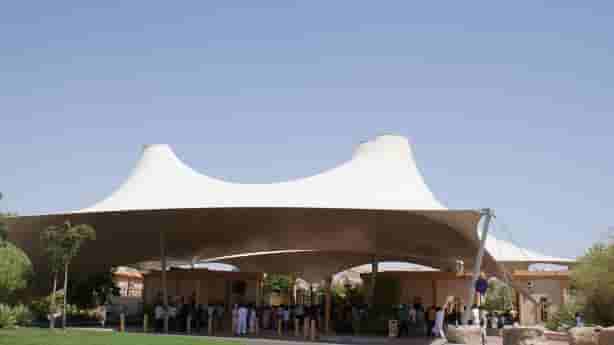
Al Ain Zoo
A large zoo focusing on conservation and housing diverse animal species.
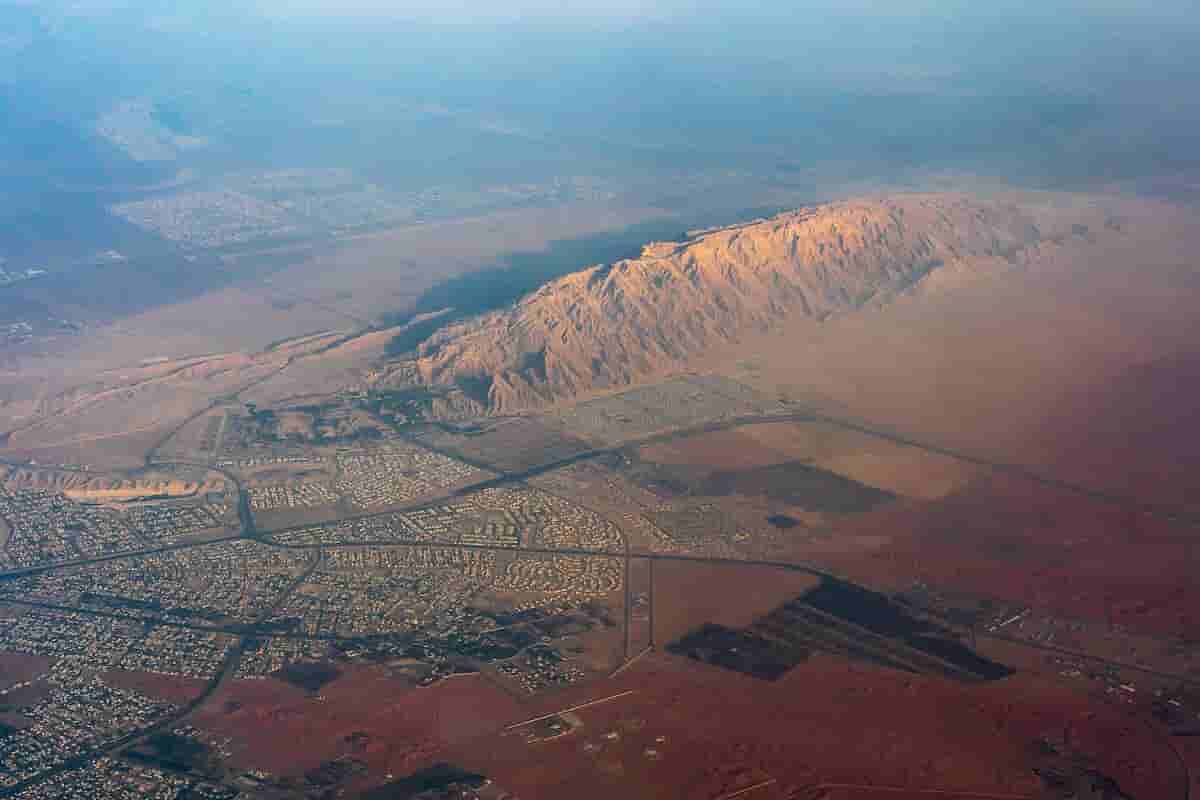
Jebel Hafeet
Mountain peak offering stunning desert views and a scenic driving route.
Al Ain Oasis
A UNESCO World Heritage site featuring one of the world's oldest continuously cultivated oasis, with lush date palm groves and traditional falaj irrigation system.
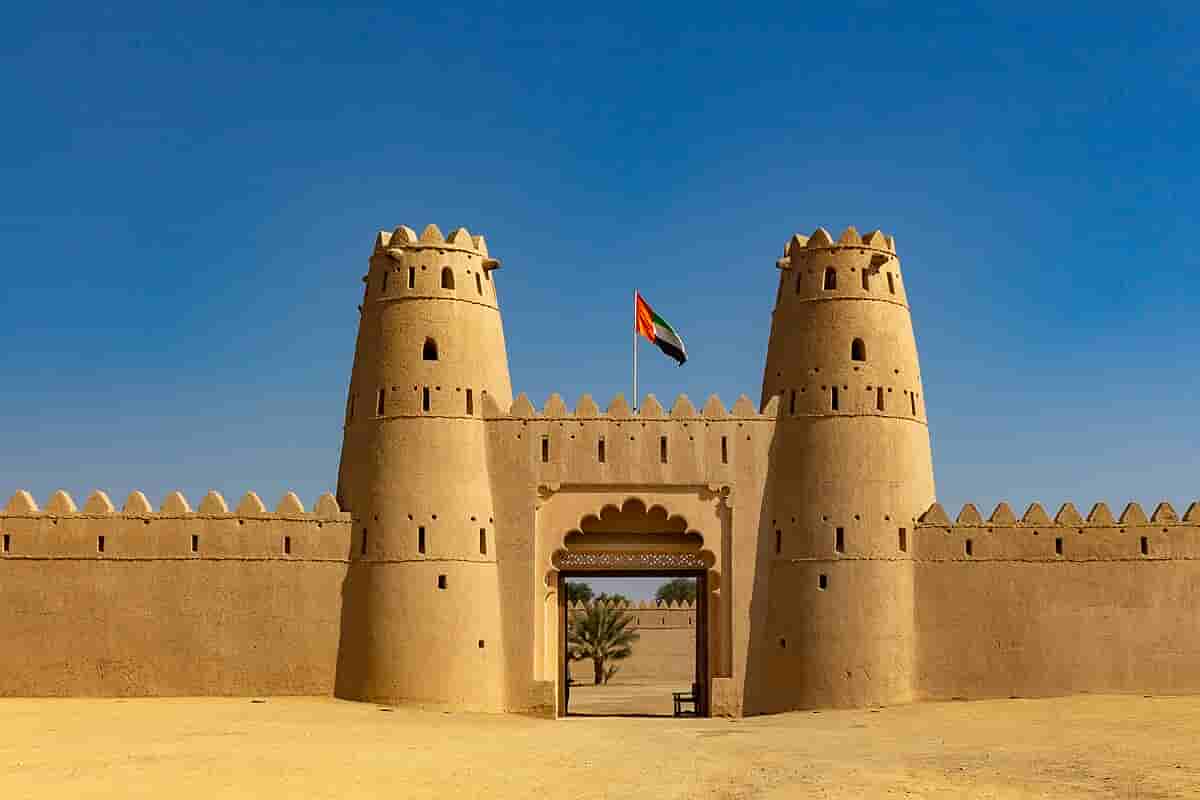
Al Jahili Fort
Historic fort and cultural site
Al Ain Palace Museum
Former royal residence showcasing Emirati history and culture.
Jebel Hafeet Mountain Road
Scenic winding road leading to the top of Jebel Hafeet, offering stunning views of the surrounding desert landscape.
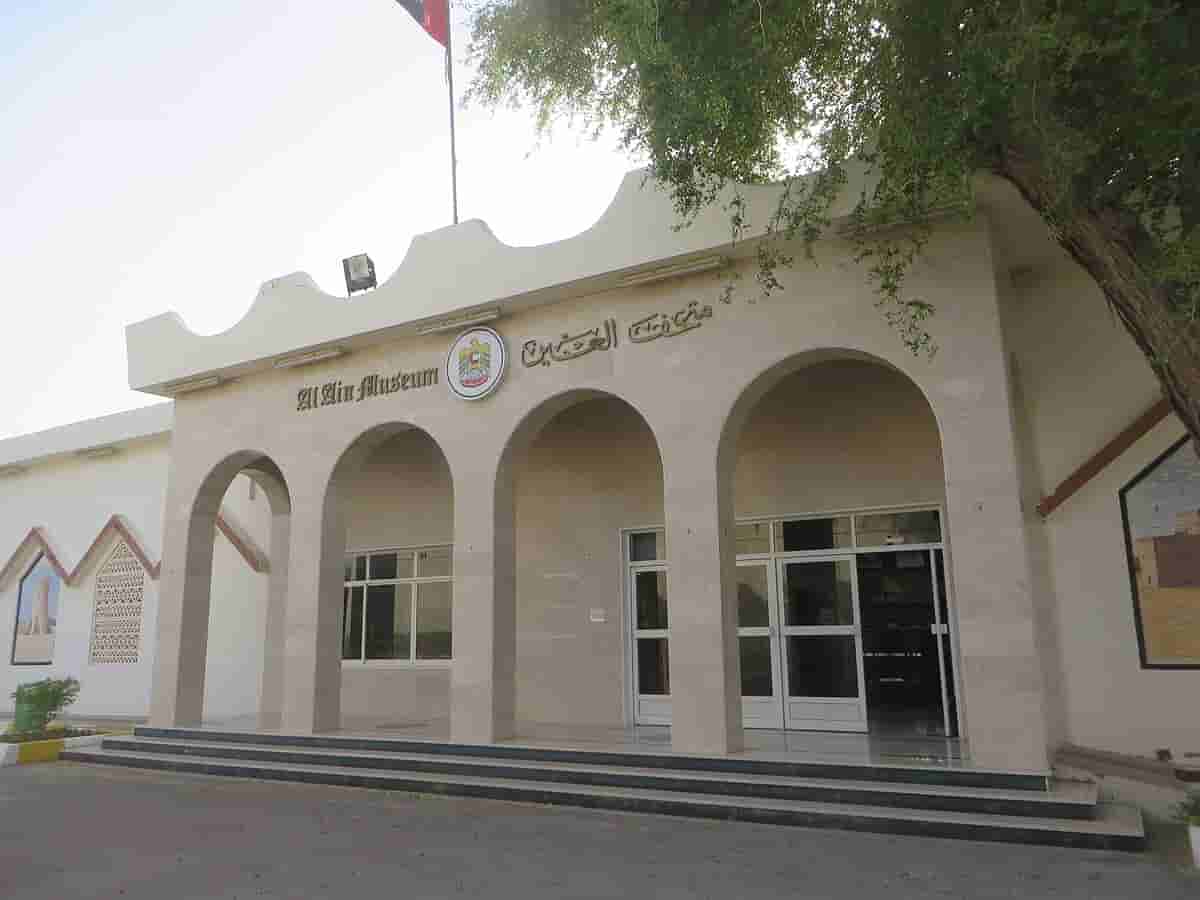
Al Ain National Museum
Museum showcasing the rich cultural heritage and history of Al Ain, with exhibits on archaeology, ethnography, and natural history.
🏘️ Neighborhoods
Central Cultural District
The historic heart, home to Al Ain Oasis, Al Ain Palace Museum, Al Jahili Fort, and the National Museum. Lined with palm trees and easy to explore on foot.
Jebel Hafeet Foothills
Area at the base of the mountain, offering resort-style hotels, hot springs at Green Mubazzarah, and easy access to the mountain road.
Al Jimi
A central, bustling residential and commercial district featuring Al Jimi Mall, the large Al Jimi Oasis, and a mix of local shops and eateries.
Al Mutawaa
A central area known for its traditional souqs, including the popular Camel Souq, offering a vibrant and authentic local market experience.
Al Khrair
A modern district near the university, with newer residential compounds, cafes, and good access to the zoo and other family attractions.
Al Ain Zoo Area
Surrounding the renowned zoo and safari park, this area includes family-friendly hotels and is slightly removed from the city center.
Al Maqam
A developing area with newer infrastructure, shopping centers like Bawadi Mall, and a range of dining options catering to a diverse population.
Al Sarooj
A quieter, more suburban district with villas and compounds, offering a peaceful retreat while still being within driving distance of major sites.
🍽️ Local Cuisine
Al Ain's cuisine is deeply rooted in Emirati and broader Arabian Gulf traditions. Signature dishes include Machboos (spiced rice with meat or fish), Harees (a savory wheat and meat porridge), and grilled meats like Mandi. Dining is often a social, family-focused affair. Must-try experiences include dates from the local oases, often served with Arabic coffee (Gahwa) as a sign of hospitality, and Luqaimat (sweet fried dumplings drizzled with date syrup). For an authentic meal, seek out local restaurants in the town center or the cultural districts. Modern malls also offer a wide range of international and Arabic chain restaurants. Price ranges vary from very affordable local eateries to mid-range hotel restaurants. Etiquette is important; dress modestly, and it's customary to eat with the right hand. Alcohol is generally only served in licensed hotel venues.
💡 Local Tips
🚗 Day Trip Ideas
Abu Dhabi City
Explore the stunning modern capital, visiting the Sheikh Zayed Grand Mosque, Louvre Abu Dhabi, and Corniche.
Dubai
Experience the futuristic metropolis, from the Burj Khalifa and Dubai Mall to traditional souks in Deira.
Hatta
A scenic mountain enclave in Oman (UAE visa often valid), famous for its dam, heritage village, and kayaking in turquoise waters.
Liwa Oasis
Venture into the Empty Quarter desert, home to some of the world's largest sand dunes and luxurious desert resorts.
Al Wathba Wetland Reserve
A protected area near Abu Dhabi known for its flamingos, salt lakes, and diverse birdlife, ideal for nature lovers.
Fossil Rock (Jebel Maleihah)
A striking desert landscape near Madam, known for its fossilized dunes and popular for dune bashing and camping.
🛡️ Safety Tips
Al Ain is an exceptionally safe city with very low crime rates. Violent crime against tourists is extremely rare. Standard precautions apply: secure valuables, be aware of your surroundings in crowded areas, and use hotel safes. There are no specific tourist-targeted scams of major concern. As a conservative city, dressing modestly is recommended to show cultural respect and avoid unwanted attention. Traffic is the primary safety concern; exercise caution when driving or crossing roads. Emergency numbers are 999 for police, 998 for ambulance, and 997 for fire. Tap water is technically safe but not palatable; drink bottled water. Ensure you have comprehensive travel insurance. The sun is intense year-round, so sun protection is a health necessity.
💰 Budget Guide
Al Ain can cater to various budgets, though it is not an ultra-budget destination. A budget traveler could manage on approximately $50-70 per day by staying in a budget hotel or apartment ($40-60), eating at local cafeterias ($10-15), using buses and occasional taxis ($5-10), and visiting free attractions like the oases and forts. A mid-range traveler should budget $100-150 per day for a comfortable 3-4 star hotel ($70-100), meals at decent restaurants ($25-40), taxi transport or a rental car ($15-30), and paid entry to sites like the zoo or museums. Luxury travel exceeds $200+ daily for premium hotels, fine dining, private tours, and spa treatments. Money-saving tips: Visit in the off-peak summer for lower hotel rates (but expect extreme heat), prioritize free historical sites, use taxis efficiently by grouping destinations, and enjoy affordable local eateries.