Welcome to Changsha
Nestled in the heart of China's Gansu province, Changsha is a city of profound historical depth and vibrant contemporary energy, often serving as a gateway to the ancient Silk Road's western leg. While it shares a name with the more famous Hunan capital, this Changsha is a distinct gem, offering a compelling blend of arid landscapes, rich cultural heritage, and a slower, more introspective pace of travel. The city serves as a crucial hub for exploring the Hexi Corridor, where the echoes of camel caravans and Buddhist pilgrims still seem to whisper on the wind. Modern development has brought comfortable amenities to this historic crossroads, with a selection of nearly 1998 hotels catering to every style of traveler, from the budget-conscious backpacker to the luxury seeker, all at an average nightly rate that makes extended exploration remarkably accessible. Here, you can trace the footsteps of empires, savor unique local flavors born of the high desert, and witness the stark, majestic beauty of the Loess Plateau, all within a city that feels both ancient and authentically alive.
Overview
Changsha in Gansu is a prefecture-level city historically known as a strategic point along the Silk Road, connecting central China with Central Asia. Its culture is deeply influenced by its position in the Hexi Corridor, marked by a mix of Han Chinese, Hui Muslim, and Tibetan influences, visible in its architecture, temples, and daily life. The city is famous for its role in Chinese history as a frontier garrison town and for its proximity to significant Buddhist grotto sites and remnants of the Great Wall from the Ming Dynasty. Unlike its namesake in Hunan, this Changsha's landscape is defined by arid mountains, river valleys, and the vast, open skies of northwestern China. The main urban area is compact and functional, with districts centered around government, commerce, and transportation hubs like the Changsha Railway Station. It's a city that serves more as a practical base for exploring the surrounding historical and natural wonders than as a primary destination for urban attractions, offering a raw and authentic slice of life in inland China.
🗓️ Best Time to Visit
The best time to visit Changsha, Gansu, is during the spring (April to May) and autumn (September to October) months. These seasons offer the most pleasant weather, with mild daytime temperatures, cool nights, and relatively low rainfall, making them ideal for outdoor exploration and day trips to historical sites. Summer (June to August) can be hot and dry, with intense sunshine, though it remains a popular time for travel. Winter (November to March) is cold, windy, and can be quite harsh, with temperatures often dropping below freezing; this is the true off-peak season, with fewer tourists but challenging conditions for sightseeing. Major events are less concentrated around specific seasons here compared to coastal cities, but local temple fairs and cultural festivals often occur around traditional Chinese holidays like Lunar New Year or during the warmer months. Visiting in shoulder seasons ensures a balance of good weather and manageable crowds.
🌤️ Weather & Climate
Changsha has a cold semi-arid climate with significant temperature variations between seasons and day and night. Winters are long, dry, and very cold, while summers are short, warm, and relatively dry with strong sunshine.
Seasons
Spring
💨 Humidity: low
Mild and windy days with cool nights. The most pleasant season for outdoor activities, though sandstorms can occasionally occur.
Summer
💨 Humidity: low
Warm to hot days with intense UV radiation. Nights are cool. Rainfall is infrequent but can be heavy when it occurs.
Autumn
💨 Humidity: low
Crisp, clear, and sunny weather. Temperatures drop rapidly, especially at night. Excellent for travel.
Winter
💨 Humidity: low
Long, bitterly cold, and dry with frequent winds. Heavy winter clothing is essential. Snow is possible but not abundant.
Monthly Weather Details
January Weather
Best for: indoor cultural sites
February Weather
Best for: indoor cultural sites
March Weather
Best for: early spring sightseeing
April Weather
Best for: sightseeing and hiking
May Weather
Best for: sightseeing and hiking
June Weather
Best for: outdoor activities
July Weather
Best for: outdoor activities
August Weather
Best for: outdoor activities
September Weather
Best for: ideal sightseeing
October Weather
Best for: ideal sightseeing
November Weather
Best for: late autumn sightseeing
December Weather
Best for: indoor cultural sites
🎒 What to Pack
All Year Round
- sunscreen
- lip balm
- reusable water bottle
- sunglasses
🚗 Getting Around
Getting around Changsha is straightforward, with a focus on taxis and public buses as the primary modes of transport within the city center. The urban area is not overly large, making taxis and ride-hailing apps like Didi a convenient and affordable option for most point-to-point travel; fares start low. Public buses are extensive and very inexpensive, but routes and announcements are primarily in Chinese, which can be a barrier for non-Mandarin speakers. Walking is viable in the core downtown areas around May First Square and near major hotels. Biking is possible, though dedicated infrastructure is limited. For arrival, Changsha likely has a regional airport or is served by nearby Lanzhou or Xining airports; transfers are typically done via pre-booked car, taxi, or long-distance bus. The Changsha Railway Station is a key node for train travel deeper into Gansu or to other provinces. Overall, transport costs are very reasonable by international standards.
🎯 Top Attractions
Orange Island
A large river island park in the Xiang River with orange groves and monuments.
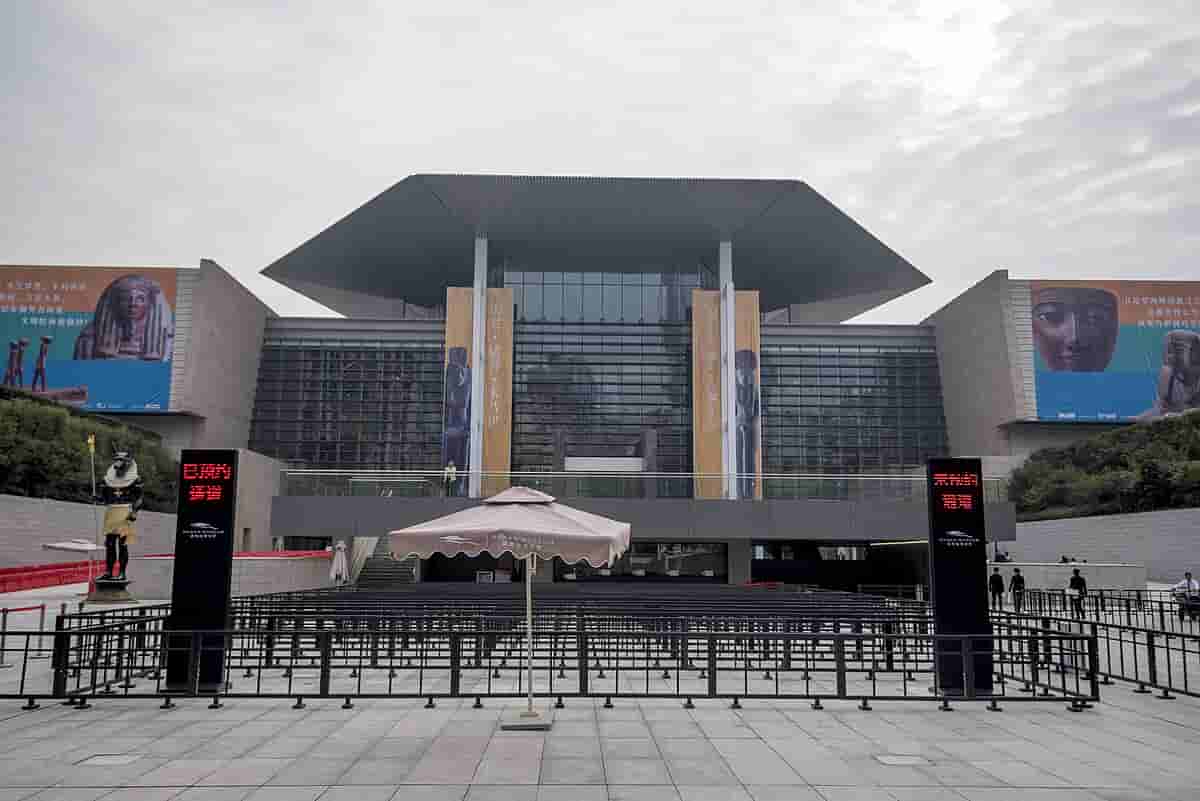
Hunan Museum
A major museum known for its exhibits on Hunan history, including the Mawangdui Han tombs.
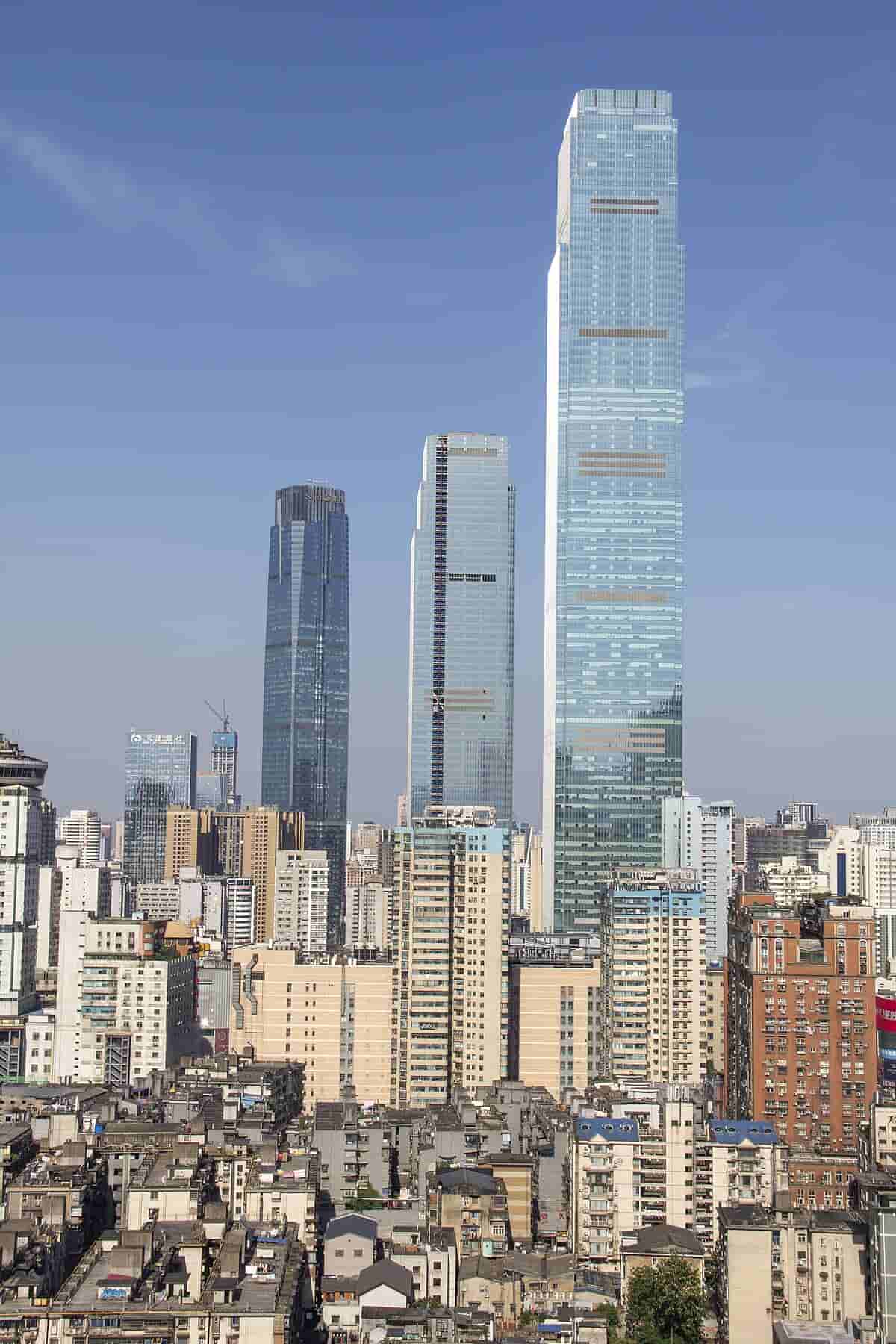
Changsha IFS
A luxury shopping mall with high-end brands, dining options, and entertainment facilities.
May First Square
A bustling square surrounded by shops, restaurants, and entertainment venues.
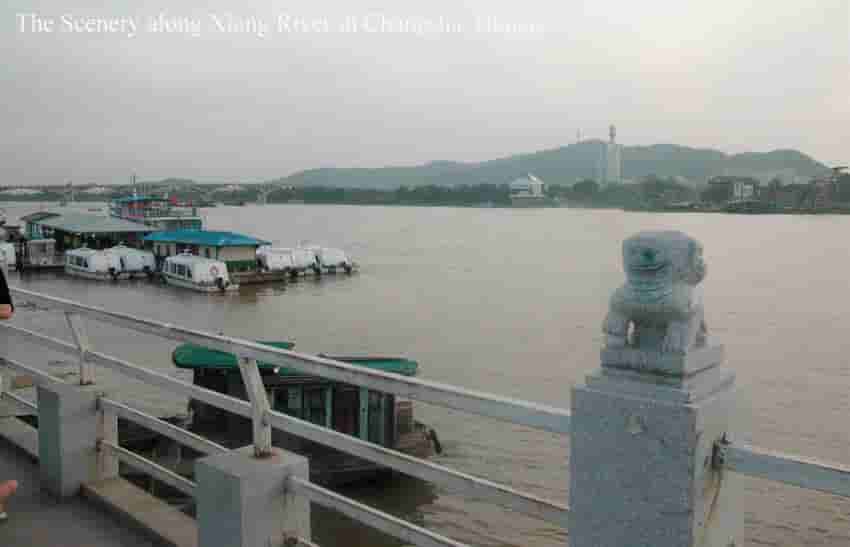
Yuelu Mountain
A scenic mountain with ancient temples, hiking trails, and panoramic views of Changsha.
Pozi Street
A historic street known for its traditional architecture, local eateries, and vibrant nightlife.
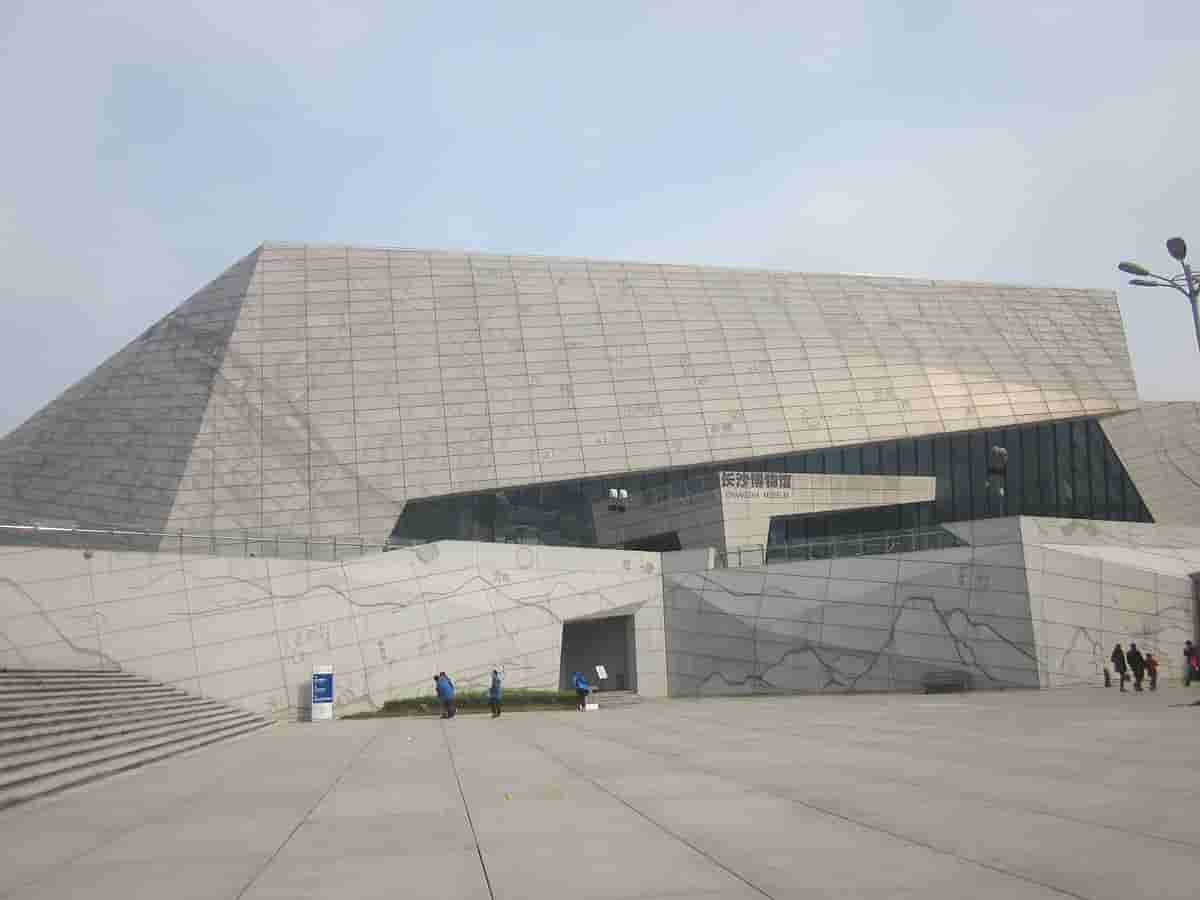
Changsha Museum
A modern museum featuring cultural relics and artifacts from Changsha's long history.
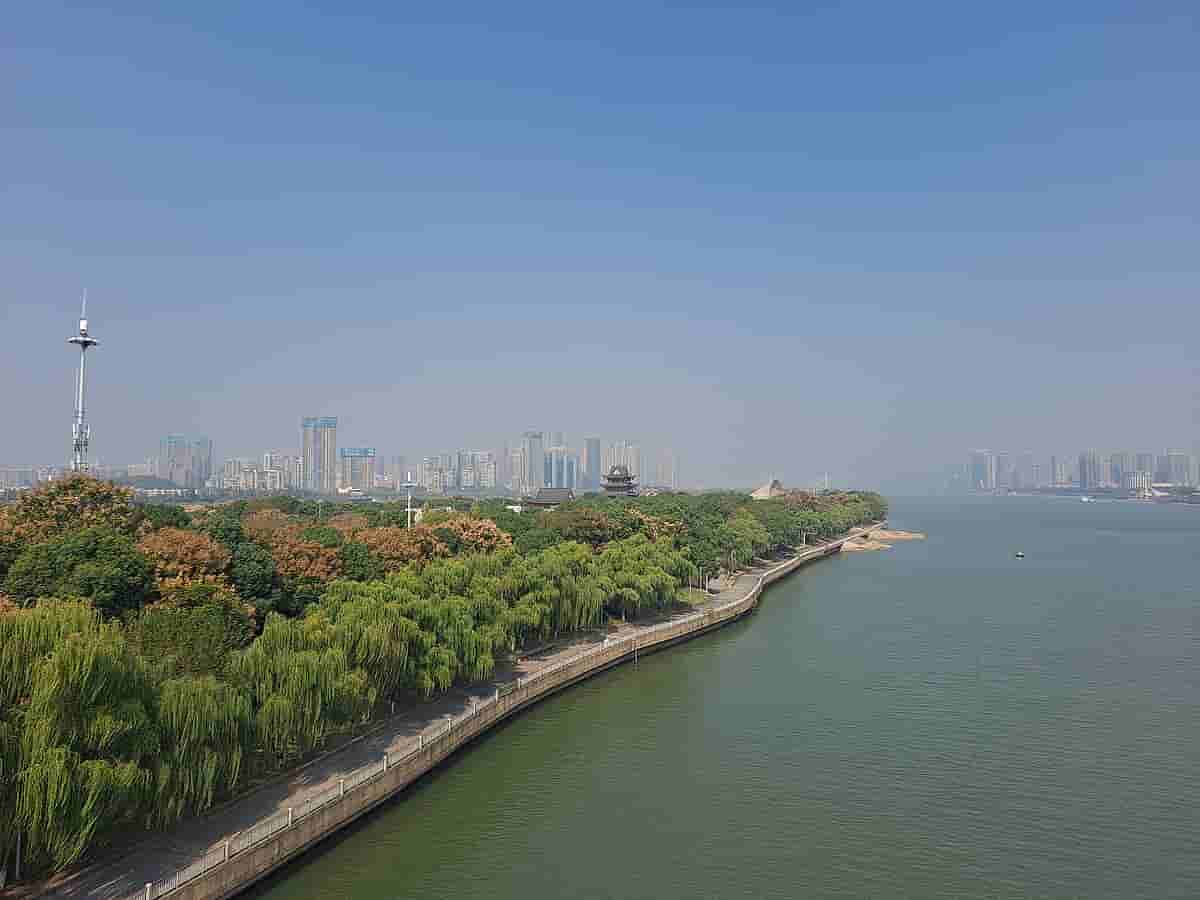
Orange Isle
A large park and island in the Xiang River, famous for its orange trees and statue of Mao Zedong.
Dawangshan Resort
Mountain resort with hiking trails.
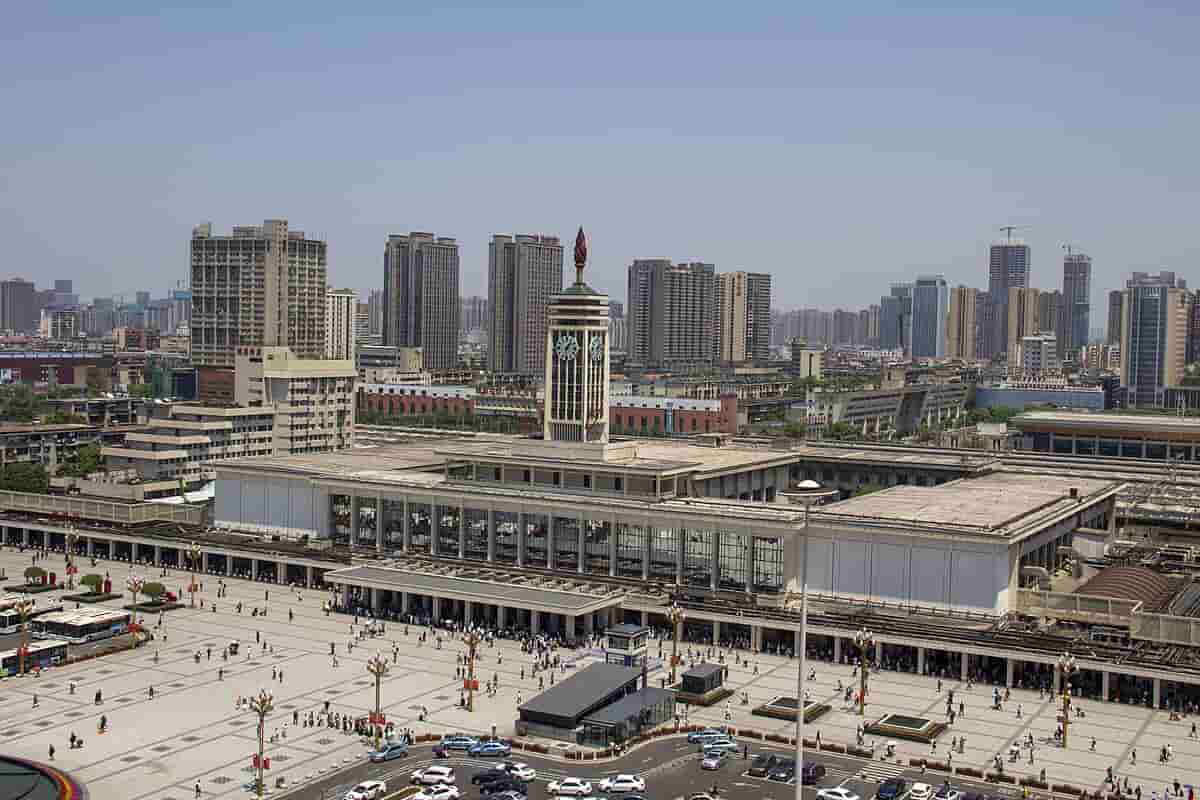
Changsha Railway Station
A major transport hub providing rail connections throughout Hunan province and beyond.
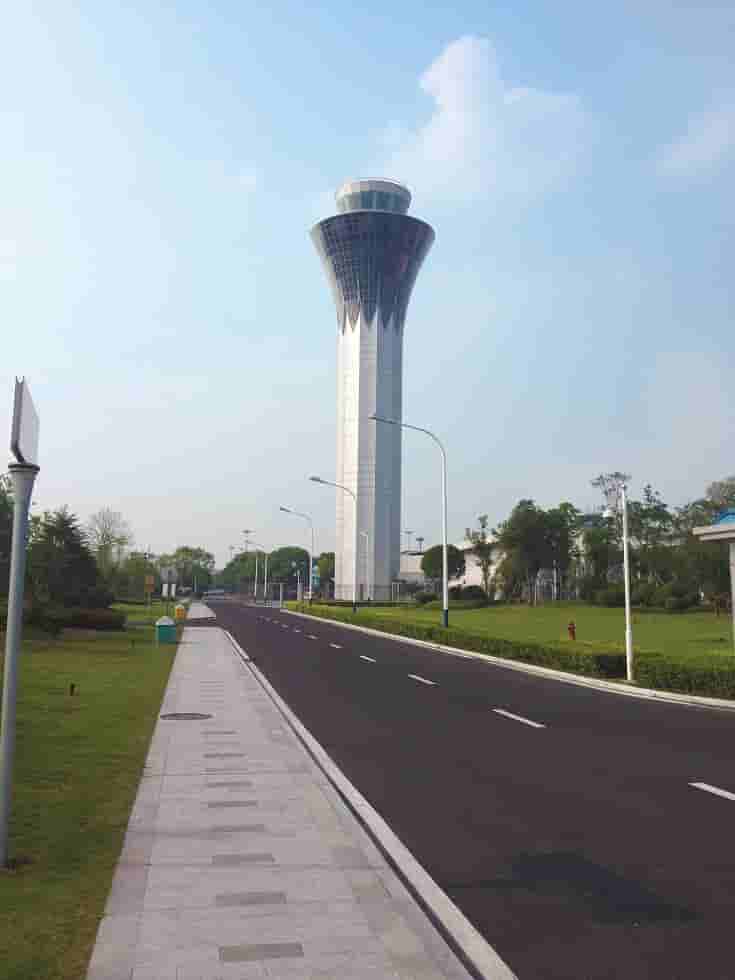
Changsha Huanghua International Airport
The main airport serving Changsha, with domestic and international flights.
Hunan Broadcasting System (HBS)
Headquarters of a major media group, known for its unique architectural design.
🏘️ Neighborhoods
City Center (May First Square Area)
The modern commercial and administrative heart of Changsha, featuring shopping malls, government buildings, and a central square. It's the most convenient base for travelers.
Around Changsha Railway Station
A bustling, noisy area packed with budget hotels, convenience stores, and transportation links. Ideal for those arriving or departing by train.
Hui Cultural District
Areas with a significant Hui Muslim population, identifiable by mosques and a high concentration of halal restaurants and food markets.
Riverside Areas
Districts along the local river, offering quieter streets, parks, and pleasant walking paths away from the main commercial bustle.
University Vicinity
Areas near educational institutions, often featuring affordable eateries, cafes, and a slightly more youthful atmosphere.
New Development Zones
Outlying districts with newer, often higher-end hotels and broader streets. Quieter but less central, requiring more transport.
🍽️ Local Cuisine
The local cuisine of Changsha, Gansu, reflects its arid inland location and Silk Road history, with hearty, wheat-based dishes and robust flavors taking center stage. Signature dishes include hand-pulled noodles (lamian), often served in a savory beef or mutton broth, and various breads like naan and steamed buns. Due to the Hui Muslim influence, halal food is prevalent, with succulent roasted lamb and mutton skewers being street food staples. Meals are substantial and designed to fuel a day in a demanding climate. Must-try foods include Lanzhou beef noodle soup (though from a neighboring city, it's ubiquitous here), 'yang rou chuan' (lamb skewers), and local variations on dumplings. Popular food areas are found around night markets and near the railway station, where small, bustling restaurants serve authentic fare. Price ranges are very budget-friendly; a filling noodle bowl costs just a few dollars. Dining etiquette is informal, and sharing dishes is common. Be prepared for bold flavors and a welcome lack of pretension.
💡 Local Tips
🚗 Day Trip Ideas
Bingling Temple Grottoes
A stunning collection of Buddhist cave sculptures carved into cliffs along the Yellow River, showcasing art from the 4th century onwards.
Labrang Monastery (Xiahe)
One of the six great monasteries of the Gelug school of Tibetan Buddhism, offering profound cultural immersion. Note: This is a longer trip but a major draw from the region.
Ming Dynasty Great Wall Ruins
Explore the eroded but impressive remnants of the Great Wall built during the Ming Dynasty to protect the Hexi Corridor.
Linxia (Little Mecca)
A city renowned for its Hui Muslim culture, with numerous mosques in varied architectural styles and vibrant markets.
Yellow River Scenic Spots
Various points along the Yellow River for viewing its unique landscape in this region, including potential riverbank parks or viewing areas.
🛡️ Safety Tips
Changsha is generally a very safe city with low violent crime rates. Petty crime like pickpocketing can occur in crowded areas like markets or bus stations, so keep valuables secure. Be cautious of minor scams targeting tourists, such as overcharging by unofficial taxis; always use metered taxis or ride-hailing apps. The main safety concerns are environmental: the high altitude and dry climate require staying hydrated and using strong sunscreen. Air quality can be poor due to dust storms, especially in spring. Traffic can be chaotic for pedestrians, so cross streets carefully. Emergency numbers are 110 for police, 120 for medical, and 119 for fire. It's advisable to have travel insurance. As with anywhere in China, carry a copy of your passport and visa. Respect local customs, especially in Hui Muslim areas regarding dress and diet.
💰 Budget Guide
Changsha is an extremely affordable destination by international standards. A budget traveler can manage on $30-40 USD per day, staying in hostels or budget hotels ($15-25), eating at local noodle shops and street stalls ($5-10), using public buses ($1-2), and visiting free or low-cost temples and parks. A mid-range traveler can expect to spend $60-90 USD daily, covering a comfortable 3-star hotel ($40-60), meals at decent sit-down restaurants ($15-25), taxi rides, and paid entrance fees to museums or sites. A luxury budget of $150+ per day affords 4-5 star accommodation ($80+), fine dining, private car hires, and guided tours. Money-saving tips include eating where locals eat, using public transport, bargaining at markets, and visiting many of the outdoor historical sites which have minimal fees. Accommodation is the largest variable, with nearly 1998 options ensuring competitive prices outside of major Chinese holidays.