Welcome to Dali
Nestled in the foothills of the Cangshan Mountains and cradled by the shimmering expanse of Erhai Lake, Dali is not just a destination; it's a state of mind. This ancient city in China's Sichuan region has long been a haven for travelers seeking beauty, history, and a slower pace of life. Dali's unique charm lies in its harmonious blend of natural splendor and rich cultural tapestry, where Bai ethnic minority traditions color every street and temple. The well-preserved Dali Ancient City serves as the vibrant heart, its cobblestone streets whispering tales of the Nanzhao and Dali kingdoms that once ruled here. With a staggering 1494 hotels ranging from lakeside retreats to charming guesthouses within the old town walls, finding your perfect base to explore this enchanting region is effortless. Whether you're drawn by the spiritual allure of the Three Pagodas, the serene boat rides on Erhai, or the promise of hiking trails through misty peaks, Dali promises a journey that nourishes the soul.
Overview
Dali is a prefecture-level city famed for its stunning natural scenery and profound historical significance as the capital of the ancient Nanzhao and Dali kingdoms. The city's culture is predominantly shaped by the Bai ethnic group, whose distinctive architecture, with white-washed walls and intricate painted motifs, defines the landscape. The main area for visitors centers around Dali Ancient City (Gucheng), a beautifully preserved walled town that is the cultural and commercial hub. Just to the west rise the majestic Cangshan Mountains, offering hiking and cable cars, while to the east lies the vast, lake Erhai, often explored by bicycle or boat. Dali is famous for its 'wind, flower, snow, and moon' – the four iconic scenic beauties of Xiaguan's wind, Shangguan's flowers, Cangshan's snow, and Erhai's moon. Beyond the ancient city, the surrounding Dali Bai Autonomous Prefecture is dotted with historic sites like the Shaxi Old Town on the Tea Horse Road and the remarkable stone carvings of Shibaoshan Mountain.
🗓️ Best Time to Visit
The best times to visit Dali are spring (March to May) and autumn (September to November). During these seasons, you'll enjoy mild, pleasant temperatures, clear skies, and minimal rainfall, perfect for outdoor exploration and photography. Summer (June to August) is the warmest and wettest period, with frequent rain showers that enhance the greenery but can disrupt hiking plans; it's also the peak tourist season. Winter (December to February) is dry and sunny but can be quite chilly, especially in the mornings and evenings, with occasional frost on the mountains. Major events include the Third Month Fair (around April) in Dali Ancient City, a massive Bai ethnic festival with horse racing and markets, and the Torch Festival in summer (usually July), where villages light torches to ward off evil spirits. Visiting in the shoulder seasons offers a great balance of good weather and fewer crowds.
🌤️ Weather & Climate
Dali enjoys a mild subtropical highland climate with distinct wet and dry seasons. Temperatures are moderate year-round due to the high altitude, with significant daily temperature variation. The weather is largely defined by the rain shadow of the Cangshan Mountains.
Seasons
Spring
💨 Humidity: moderate
Pleasant and dry, with blooming flowers. Ideal for all outdoor activities.
Summer (Rainy)
💨 Humidity: high
Warm, humid, and rainy, especially in July and August. Landscapes are lush and green.
Autumn
💨 Humidity: moderate
Clear, sunny, and crisp weather. Perfect for hiking and sightseeing.
Winter (Dry)
💨 Humidity: low
Dry, sunny days but cold nights, with possible frost. Snow caps the Cangshan peaks.
Monthly Weather Details
January Weather
Best for: sightseeing, cultural sites
February Weather
Best for: festivals, temple visits
March Weather
Best for: hiking, photography
April Weather
Best for: flower viewing, cycling
May Weather
Best for: lake activities, exploring
June Weather
Best for: mushroom foraging, indoor culture
July Weather
Best for: festivals, rainy-day cafes
August Weather
Best for: lush landscape views
September Weather
Best for: hiking, clear lake views
October Weather
Best for: cycling, outdoor adventures
November Weather
Best for: photography, ancient city walks
December Weather
Best for: winter sun, temple visits
🎒 What to Pack
All Year Round
- sunscreen
- sunglasses
- layered clothing
- comfortable walking shoes
- reusable water bottle
🚗 Getting Around
Getting around Dali is relatively straightforward. Within Dali Ancient City and along the lakeshore, walking and cycling are the most enjoyable and practical options, with numerous rental shops offering bicycles and e-bikes. For longer distances, such as to the Three Pagodas or around Erhai Lake, public buses connect major points, though routes can be infrequent. Taxis and ride-hailing apps like Didi are widely available and affordable for point-to-point travel; always ensure the meter is used or agree on a fare beforehand. Minibuses and shared vans also operate between towns like Dali and Xiaguan (the modern city center). For airport transfers, Dali Huangcaoba Airport is about 30 minutes by taxi from the ancient city; a fixed-fare taxi is the most convenient option. Renting a car with a driver is a popular choice for flexible day trips to Shaxi or Shibaoshan. Costs are low: bike rentals are $3-5/day, bus fares under $1, and taxi rides within the lake area rarely exceed $10.
🎯 Top Attractions
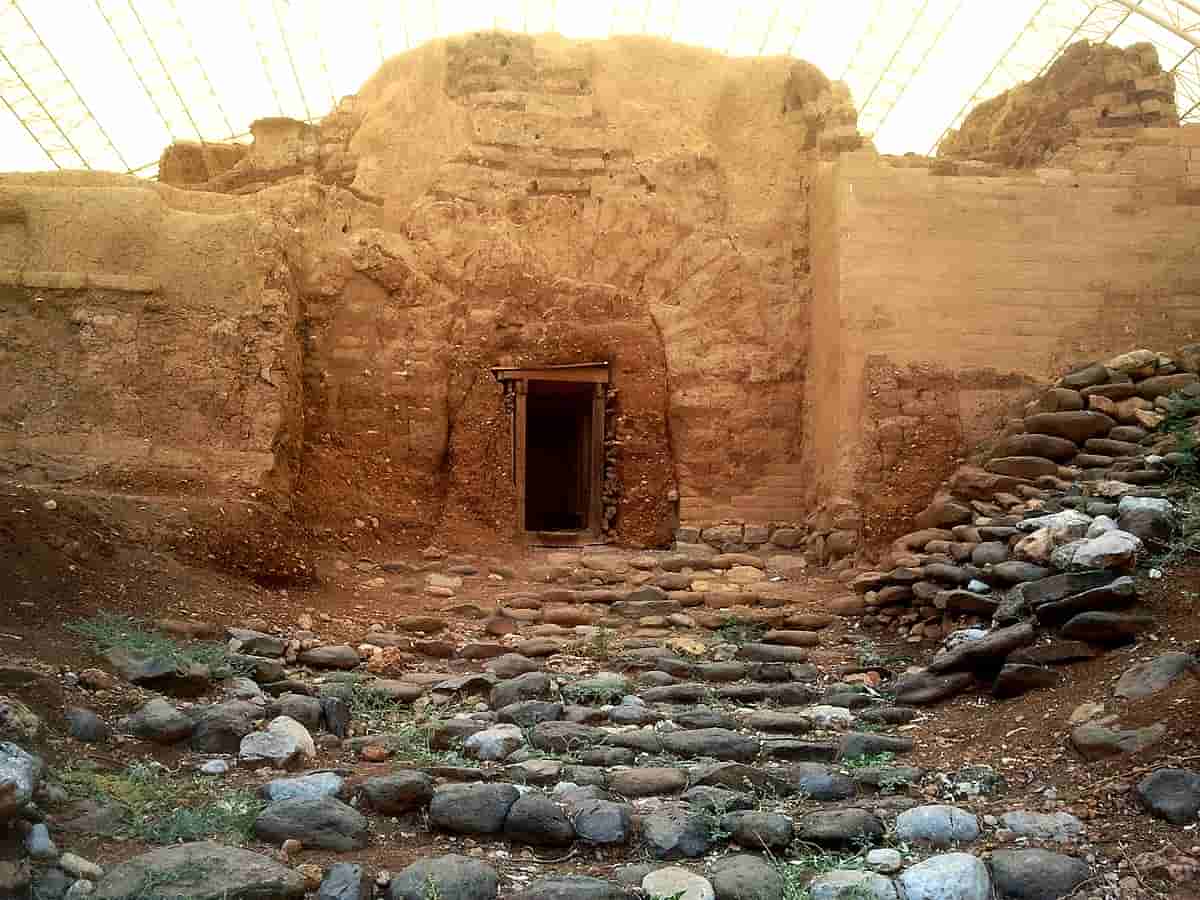
Dali Ancient City
A well-preserved historic town with traditional Bai architecture, shops, and restaurants at the foot of Cangshan Mountain.
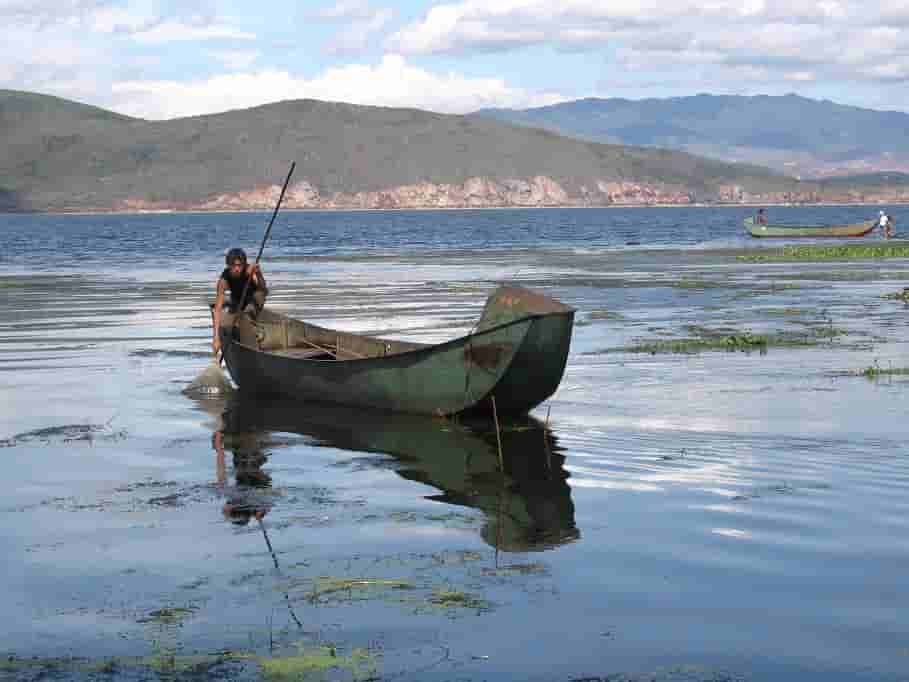
Erhai Lake
The inn is located right by the lake, offering direct access to the water and beautiful sunrise views.
Cangshan Mountain
The majestic mountain range west of Dali, offering cable car rides, hiking trails, and temple visits.
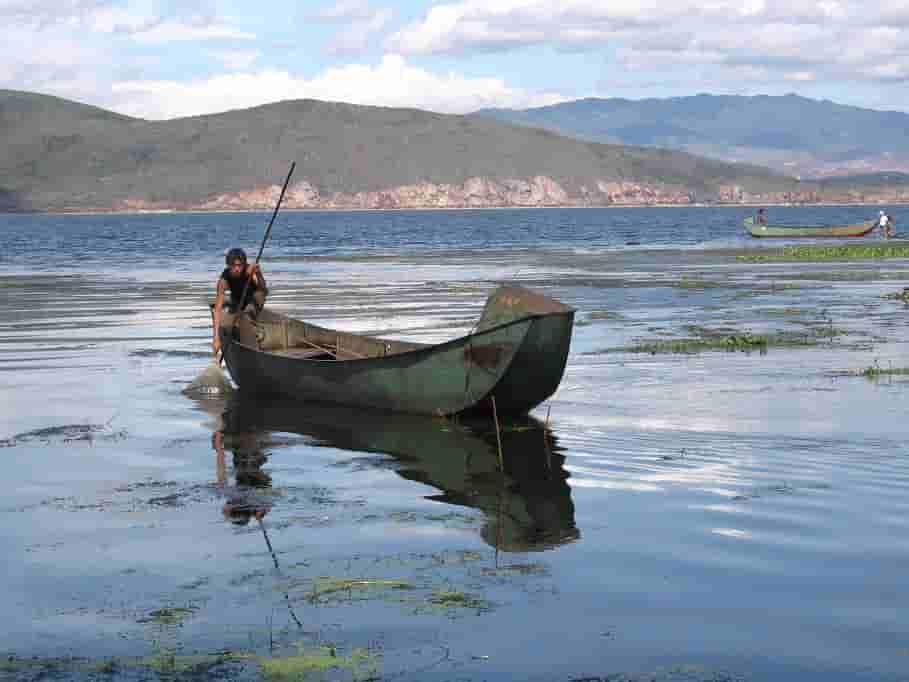
Erhai Park
Lakeside park offering beautiful views, walking trails, and boat rides on Erhai Lake.
Cangshan Mountains
Mountain range offering hiking and cable cars
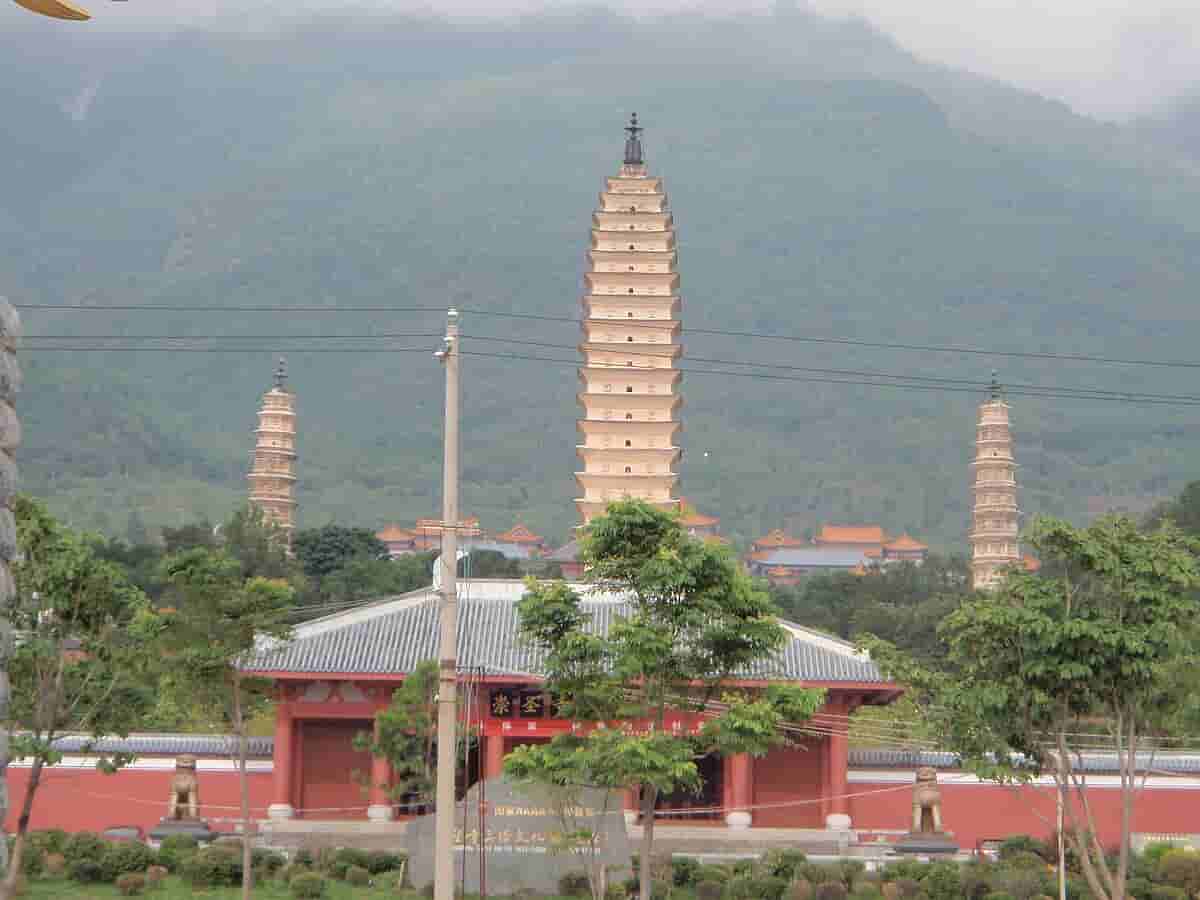
Three Pagodas
An iconic symbol of Dali, these ancient pagodas stand at the foot of Cangshan Mountain.
Three Pagodas of Chongsheng Temple
The inn is themed around the nearby historic temple complex, offering a serene cultural experience.
Shibaoshan Mountain
A sacred mountain with ancient grottoes and Buddhist temples.
Shaxi Old Town
A well-preserved historical town on the Ancient Tea Horse Road.
Jianchuan County Museum
Museum showcasing local Bai culture and history.
Zhoucheng Village
A village renowned for traditional Bai tie-dye handicrafts, where visitors can see the process firsthand.
Shaxi Ancient Town
A well-preserved historic town on the Tea Horse Road with traditional architecture.
🏘️ Neighborhoods
Dali Ancient City (Gucheng)
The historic walled heart of Dali, filled with traditional Bai architecture, shops, restaurants, and guesthouses. Lively and pedestrian-friendly.
Cangshan Foothills
The western area along the base of the mountains, offering quieter guesthouses, hiking trail access, and stunning elevated views over the city and Erhai Lake.
Erhai Lake East Coast (Shuanglang)
A developing area with modern boutique hotels and resorts directly on the lake. Offers serene water views and a more upscale, relaxed atmosphere.
Xiaguan (New Dali City)
The modern administrative and transport hub south of the ancient city. Less touristy, with local life, shopping malls, and practical services.
Zhoucheng
A traditional Bai village near Dali, famous as the center for tie-dye (Zha Ran) production. Offers homestays and a deep dive into local craft culture.
Xizhou
Another historic Bai town north of the ancient city, known for its well-preserved merchant mansions (Yan's Compound), morning market, and Xizhou Baba.
🍽️ Local Cuisine
Dali's cuisine is a highlight, heavily influenced by Bai ethnic traditions and featuring fresh ingredients from the lake and mountains. Signature dishes include *Rushan* (milk fan), a dairy product grilled or fried, and *Xizhou Baba*, a savory or sweet flaky bread. Must-try foods are *Erhai Lake fish* (often served in a spicy hot pot), *Yunnan wild mushroom hotpot* (in summer), and *Dali-style spicy chicken*. Dining culture is casual and communal. Popular food areas are within Dali Ancient City's Huguo Road (Foreigner Street) and the surrounding lanes, as well as local eateries in villages around Erhai. For an authentic experience, visit the morning markets. Price ranges are very reasonable: street snacks cost $1-3, a meal at a local restaurant $5-10 per person, and a nicer lakeside dinner $15-25. Etiquette is relaxed; it's common to share dishes. Be cautious with wild mushrooms unless you're with a knowledgeable local.
💡 Local Tips
🚗 Day Trip Ideas
Shaxi Old Town
A beautifully preserved stage on the ancient Tea Horse Road, with a historic market square and serene atmosphere.
Shibaoshan Mountain
A sacred mountain famous for its extraordinary grottoes and stone carvings dating back over 1,300 years.
Jianchuan County Museum (Shizhongshan Grottoes)
An impressive museum complex showcasing the area's rich history and the stunning Shizhongshan Buddhist cave sculptures.
Weishan Ancient City
A quieter, less-commercialized alternative to Dali, with a well-preserved Ming-era core and a commanding mountaintop Daoist temple.
Hot Springs of Xiaguan
Relax in natural hot springs at the foot of Cangshan Mountain, a perfect way to soothe muscles after hiking.
Zhoucheng & Xizhou Villages
A combined trip to explore Zhoucheng's tie-dye workshops and Xizhou's magnificent Bai merchant mansions and lively market.
🛡️ Safety Tips
Dali is generally a very safe city for travelers, with low crime rates. However, standard precautions apply. Be cautious of petty theft in crowded areas like markets and bus stations. Common scams include overpriced taxi rides (always use the meter or Didi), 'tea ceremony' scams inviting you for an expensive drink, and dubious 'jade' or 'antique' sales. When hiking Cangshan, stay on marked trails as weather can change rapidly. Altitude sickness is rarely an issue in the city itself. Drink bottled or boiled water. Emergency numbers are: Police 110, Fire 119, Ambulance 120. For health, consider travel insurance. The main safety concern is road safety when cycling around Erhai Lake; be vigilant with traffic. Overall, Dali is welcoming, but maintaining awareness will ensure a trouble-free visit.
💰 Budget Guide
Dali can cater to all budgets comfortably. A budget traveler can manage on $30-40 per day: staying in hostel dorms ($8-15), eating street food and local meals ($10), using public transport and bikes ($5), and enjoying free sights like the ancient city walls. Mid-range travelers should budget $60-100 daily: a private room in a guesthouse ($25-50), meals at nice local restaurants ($20), taxi rides and bike rentals ($10), and paid attractions like the Three Pagodas ($15). A luxury experience ($150+ per day) includes lakeside boutique hotels ($80+), fine dining ($40), private car hires for day trips ($50), and guided tours. Money-saving tips: Visit free temples, rent a bicycle for lake exploration, eat at small family-run *Bai* restaurants away from the main tourist streets, bargain at markets, and travel in a small group to share costs for transport and guides. Accommodation prices can drop significantly outside of national holidays and summer peak season.