Welcome to Hefei
Nestled in the heart of Anhui province, Hefei is a city where ancient history and rapid modernity engage in a captivating dance. As the provincial capital, it serves as a dynamic hub of education, science, and technology, famously dubbed 'China's Silicon Valley' for its concentration of research institutes. Yet, beneath this contemporary veneer lies a rich tapestry of culture dating back over 2,000 years. The city masterfully balances its urban energy with serene natural escapes, most notably the sprawling Chaohu Lake area on its southeastern fringe. Visitors are greeted with a welcoming, manageable metropolis that offers deep cultural immersion without the overwhelming scale of China's coastal megacities. With a robust infrastructure catering to travelers, including over 1213 hotels ranging from international chains to charming local guesthouses, finding a comfortable base to explore this intriguing destination is effortlessly simple. Whether you're drawn by the tranquil waters of Swan Lake, the spiritual calm of Mingjiao Temple, or the futuristic allure of Science Island, Hefei promises a journey of delightful contrasts.
Overview
Hefei's history is deeply entwined with Chinese legend and strategic importance, having been a contested city for centuries and the hometown of the famous Three Kingdoms-era warlord, Cao Cao. Today, it is a major comprehensive industrial city and a leading center for scientific research in China, home to the prestigious University of Science and Technology of China. The city is administratively divided into four urban districts—Shushan, Yaohai, Luyang, and Baohe—which form the core, plus four counties. Culturally, it is the heart of Huizhou culture, known for its distinctive architecture, Xin'an painting, and Hui opera. Hefei is famous for its 'Two Lakes and One Mountain'—the massive Chaohu Lake (one of China's five largest freshwater lakes), the scenic Swan Lake in the city center, and Dashu Mountain. It's also a national garden city, with numerous parks and greenways. The city's transformation from a historical garrison town into a modern technological powerhouse, while preserving its cultural soul, is its most compelling narrative.
🗓️ Best Time to Visit
The best times to visit Hefei are during the pleasant shoulder seasons of spring (April to May) and autumn (September to October). Spring brings mild temperatures, blooming flowers, and the vibrant Qingming Festival activities. Autumn offers clear, crisp skies, comfortable warmth, and is perfect for outdoor exploration and lake visits. Summer (June-August) is hot, humid, and rainy, coinciding with the plum rain season; it's the off-peak season for general tourism but sees domestic travel peaks during school holidays. Major summer events include Dragon Boat Festival races on local waterways. Winter (December-February) is cold and damp with occasional snow, making it the true off-peak season, though hotel prices are at their lowest. The city celebrates Chinese New Year (January/February) with traditional temple fairs at places like Mingjiao Temple. For ideal weather and fewer crowds, aim for late spring or early autumn.
🌤️ Weather & Climate
Hefei has a humid subtropical climate with four distinct seasons. It features hot, humid summers with significant rainfall and cold, damp winters. Spring and autumn are relatively short but very pleasant.
Seasons
Spring
💨 Humidity: moderate
Mild and gradually warming, with increasing rainfall. Flowers bloom, making parks very scenic. Variable weather, so layering is key.
Summer
💨 Humidity: high
Hot, humid, and rainy, especially during the June-July plum rain season. Afternoon thunderstorms are common. High heat index.
Autumn
💨 Humidity: moderate
The most comfortable season. Warm, sunny days and cool, crisp nights with little rainfall. Ideal for all outdoor activities.
Winter
💨 Humidity: moderate
Chilly and damp, with overcast skies common. Occasional frost and light snow. Indoor heating is not universal, so it can feel colder indoors.
Monthly Weather Details
January Weather
Best for: indoor cultural sites, temple visits
February Weather
Best for: Chinese New Year festivals
March Weather
Best for: early spring park walks
April Weather
Best for: sightseeing, outdoor activities
May Weather
Best for: ideal for all tourism
June Weather
Best for: indoor attractions, museum visits
July Weather
Best for: lake areas for breezes
August Weather
Best for: evening outings, shopping malls
September Weather
Best for: perfect for sightseeing
October Weather
Best for: ideal for all tourism
November Weather
Best for: park visits, hiking
December Weather
Best for: indoor activities, historical sites
🎒 What to Pack
All Year Round
- Umbrella or raincoat
- Comfortable walking shoes
- Power adapter
- Reusable water bottle
🚗 Getting Around
Hefei boasts an efficient and affordable public transportation system. The backbone is the expanding Hefei Metro, with several lines connecting major districts, attractions, and transport hubs like Hefei South Railway Station; fares range from 2-5 RMB. An extensive public bus network covers the entire city for flat fares of 1-2 RMB. Taxis are plentiful and inexpensive, with a starting fare of around 8 RMB; ride-hailing apps like Didi are widely used. For short distances, shared bicycles (Mobike, Hello Bike) are extremely popular and convenient. Walking is enjoyable in pedestrian-friendly areas like the Swan Lake surroundings and Huaihe Road Pedestrian Street. For airport transfers, Hefei Xinqiao International Airport is connected to the city center by airport shuttle buses (20-25 RMB) and taxi (80-120 RMB, 40-60 minutes). A rechargeable 'Hefei Tong' card can be used on metros and buses for added convenience.
🎯 Top Attractions
Hefei Swan Lake
A beautiful urban park perfect for a scenic stroll, with walking paths and a large, serene lake.
Mingjiao Temple
A Buddhist temple with traditional architecture and a peaceful atmosphere for reflection.
Hefei Wildlife Park
A large zoo and wildlife park with diverse animal exhibits and family activities.
Jinyun International Plaza
Shopping and business complex with various services.
Feixi County Park
Local park with walking trails and recreational facilities.
Hefei Science Island
A research and technology hub with scenic surroundings and modern architecture.
Chaohu High Speed Rail East Station
Modern railway station providing high-speed train connections.
Chaohu Lake Area
Scenic lake with boating and waterfront activities.
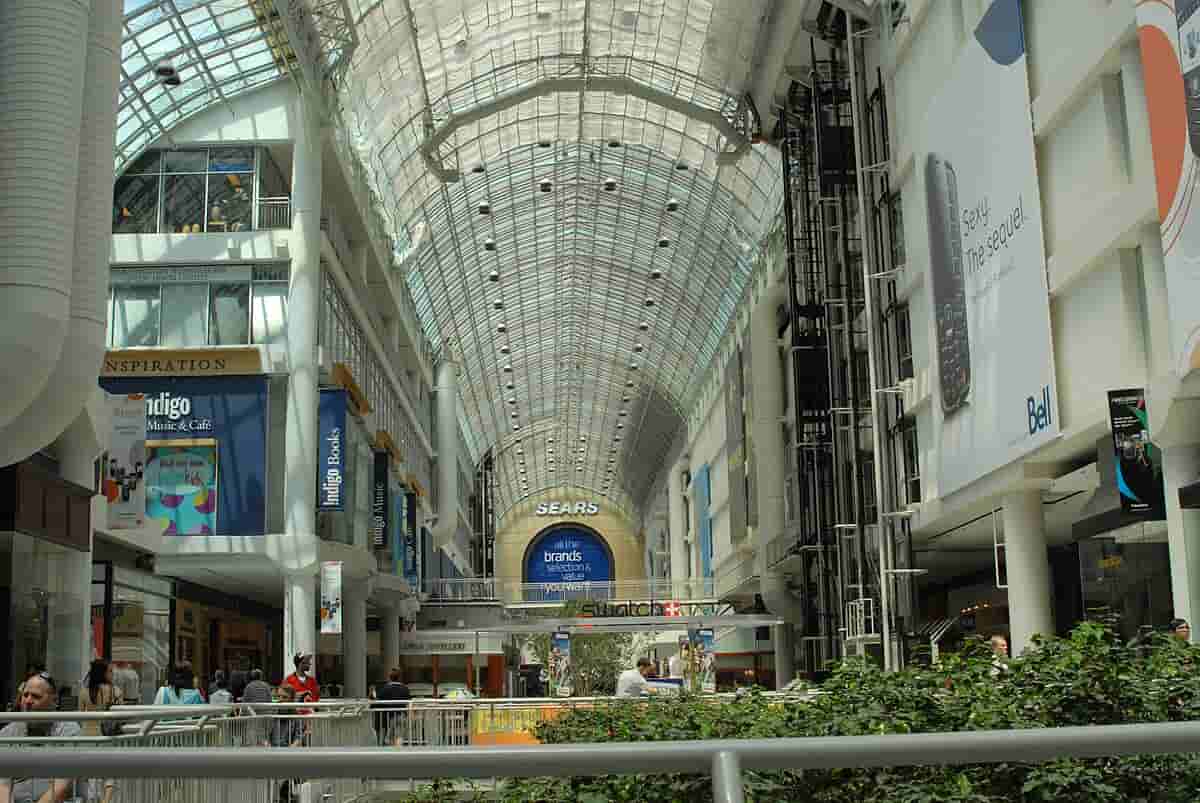
Shopping Centers
Malls and plazas with retail and entertainment options.
Times Square
Commercial area with shopping, dining, and entertainment.
Binhu District Park
Lakeside park ideal for leisurely walks and relaxation.
Hefei City Center
A bustling area with shopping malls, dining options, and entertainment venues.
🏘️ Neighborhoods
Shushan District
The modern administrative and commercial heart of Hefei, home to government buildings, the Olympic Sports Center, and upscale shopping malls like MixC.
Baohe District
A historic and cultural core, featuring the ancient Mingjiao Temple, Hefei's old town ambiance, and the scenic Baohe Park.
Luyang District
Centered around the beautiful Swan Lake, this is a prestigious residential and recreational area with parks, fine dining, and cultural venues.
Yaohai District
A bustling, densely populated district with major transport hubs like Hefei Railway Station, vibrant markets, and local street life.
High-Tech Zone
West of the city center, this is Hefei's Silicon Valley, housing Science Island, universities, tech parks, and modern apartment complexes.
Binhu New District
A rapidly developing lakeside area south of the city, centered on the massive Chaohu Lake, offering resorts, water activities, and new urban projects.
🍽️ Local Cuisine
Hefei's cuisine is an integral part of hearty Anhui (Hui) cuisine, known for its wild herbs, freshwater delicacies, and careful braising and stewing techniques. Must-try signature dishes include 'Luzhou Roast Duck' (a local variant distinct from Beijing's), 'Li Hongzhang Hodge-Podge' (a rich stew created for the Qing dynasty statesman), and 'Stewed Soft-Shell Turtle with Ham'. Street food shines with 'Hefei Rice Noodles' and savory 'Shao Bing' (baked flatbread). For a unique experience, seek out restaurants serving dishes from nearby Chaohu Lake, like steamed whitebait or braised bighead carp. Dining culture is communal and lively. Popular food areas include Ningguo Road Snack Street, Gujing Food Street, and the night markets around university districts. A meal at a local restaurant can range from 30-80 RMB per person, while upscale Hui cuisine establishments may cost 150+ RMB. Etiquette is standard Chinese: sharing dishes, using chopsticks, and toasting with local rice wine or tea.
💡 Local Tips
🚗 Day Trip Ideas
Chaohu Lake Scenic Area
Explore China's fifth-largest freshwater lake, with options for boat trips, visiting Zhongmiao Temple on the island, and enjoying lakeside seafood.
Sanhe Ancient Town
A well-preserved water town with history dating back to the Song Dynasty, featuring ancient streets, bridges, and traditional Huizhou architecture.
Dashu Mountain National Forest Park
A natural retreat offering hiking trails, Buddhist temples, and panoramic views from the summit, a perfect escape from the city.
Huangshan (Yellow Mountain)
A UNESCO World Heritage site famous for its granite peaks, pine trees, hot springs, and sea of clouds. A longer but iconic trip.
Lucun Ancient Village
Experience traditional Huizhou village life, with ancient ancestral halls, intricate wood carvings, and peaceful countryside scenery.
🛡️ Safety Tips
Hefei is generally a very safe city for travelers, with low violent crime rates. Standard urban precautions apply: be mindful of your belongings in crowded areas like markets, train stations, and on public transport. Common scams are rare but can include taxi drivers taking unnecessarily long routes; always insist on using the meter or use a ride-hailing app. Be cautious when crossing streets, as traffic rules can be loosely interpreted by cyclists and scooters. For health, drink bottled or boiled water. Air quality can be moderate to poor on some days, so those with respiratory issues may want to check forecasts and carry a mask. Emergency numbers are: Police 110, Fire 119, Ambulance 120. Keep the address of your hotel written in Chinese characters for easy communication with taxi drivers. Overall, Hefei is a welcoming and secure destination.
💰 Budget Guide
Hefei is an affordable destination by Chinese capital city standards. A budget traveler can manage on 200-300 RMB per day, staying in hostels or budget hotels (100-150 RMB/night), eating at local noodle shops or street food (15-30 RMB/meal), and using public transport. Mid-range travelers spending 400-700 RMB/day can enjoy comfortable 3-4 star hotels (250-400 RMB/night), meals at nice local restaurants, taxi rides, and entrance fees to major attractions. A luxury budget of 1000+ RMB/day covers international 5-star hotels, fine dining, private tours, and high-end shopping. Major attractions have modest entrance fees (20-80 RMB). Money-saving tips include using the metro and shared bikes, eating where locals eat on small food streets, visiting free public parks like Swan Lake, and purchasing a 'Hefei Tong' transport card. Many museums offer free admission. Accommodation prices are lowest in winter and during weekdays.