Welcome to Akureyri
Nestled at the head of Iceland's longest fjord, Eyjafjörður, Akureyri is a vibrant urban oasis in the heart of the Arctic North. Often called the 'Capital of North Iceland,' this charming city of around 19,000 residents offers a surprising blend of cosmopolitan energy and pristine natural beauty. Framed by snow-capped mountains and sparkling waters, Akureyri serves as the perfect gateway to the dramatic landscapes of Norðurland Eystra. Its compact, walkable center is dotted with colorful houses, cozy cafes, and a surprising array of cultural attractions, from its iconic church to a renowned botanical garden thriving near the Arctic Circle. With a welcoming atmosphere and a range of accommodations, including 13 hotels catering to various tastes and budgets, Akureyri provides a comfortable and unforgettable base for exploring the region's wonders, whether you're chasing the midnight sun or the northern lights.
Overview
Founded as a trading post in the 17th century, Akureyri blossomed into a vital service and cultural center for northern Iceland. Its rich maritime heritage is palpable along the harbor, while its status as a university town infuses it with youthful energy. The city is famously known for its charming, compact downtown, where you'll find the iconic Akureyri Church (Akureyrarkirkja) perched on a hill, offering panoramic views. It's a hub for winter sports, with the Hlíðarfjall Ski Area just minutes away, and summer adventures like whale watching and hiking. Culturally, it punches above its weight with excellent museums, a symphony orchestra, and the beautiful Lystigarðurinn (the Botanical Garden), one of the world's northernmost, showcasing the resilience of Arctic flora. Akureyri is also the perfect launchpad for visiting the mighty Goðafoss waterfall, a site of profound historical significance in Iceland's conversion to Christianity.
🗓️ Best Time to Visit
The best time to visit Akureyri depends on your desired experience. For mild weather, nearly 24-hour daylight, and access to hiking, whale watching, and botanical gardens, visit from June to August (summer). This is the peak tourist season. The shoulder seasons of May and September offer fewer crowds, decent weather, and a chance to see the northern lights as nights grow darker. Winter (October to April) is ideal for northern lights hunting, skiing and snowboarding at Hlíðarfjall, and experiencing cozy Icelandic Christmas traditions, though daylight is limited (only 3-4 hours in December). Major events include the Akureyri Summer Arts Festival in July, the lively Akureyri Viking Festival in June, and the magical Christmas season when the city is famously decorated with heart-shaped red lights.
🌤️ Weather & Climate
Akureyri has a subarctic climate, but its coastal location in a fjord moderates temperatures, making it slightly warmer in winter and cooler in summer than inland areas. It is also in a rain shadow, resulting in surprisingly dry and sunny conditions compared to southern Iceland.
Seasons
Winter
💨 Humidity: moderate
Cold, snowy, and dark with very short days. Ideal for northern lights, winter sports, and cozy indoor activities. Roads may be icy.
Spring
💨 Humidity: moderate
Days lengthen rapidly, snow melts, and nature begins to awaken. Can be unpredictable with a mix of sun, rain, and late snow.
Summer
💨 Humidity: moderate
Mild and pleasant with nearly 24-hour daylight in June and July. The best time for hiking, wildlife tours, and exploring the botanical gardens.
Autumn
💨 Humidity: moderate
Cooling temperatures, beautiful fall colors, and increasing aurora activity. Weather becomes more volatile with wind and rain.
Monthly Weather Details
January Weather
Best for: northern lights, skiing, indoor culture
February Weather
Best for: northern lights, skiing
March Weather
Best for: late-season skiing, winter festivals
April Weather
Best for: spring scenery, longer days
May Weather
Best for: whale watching, hiking, shoulder season travel
June Weather
Best for: midnight sun, hiking, festivals
July Weather
Best for: peak summer activities, botanical garden
August Weather
Best for: whale watching, hiking
September Weather
Best for: aurora hunting, fall colors, fewer crowds
October Weather
Best for: northern lights, cultural visits
November Weather
Best for: northern lights, pre-winter travel
December Weather
Best for: Christmas festivities, northern lights
🎒 What to Pack
All Year Round
- waterproof jacket
- layered clothing
- sturdy walking shoes
- swimsuit (for pools)
- reusable water bottle
🚗 Getting Around
Akureyri's city center is extremely walkable, with most attractions, restaurants, and shops within a 15-20 minute stroll. The local Strætó bus system offers affordable routes within the city and to nearby suburbs; purchase tickets via the Strætó app. Biking is also popular, with rental shops available. For excursions to Goðafoss, Lake Mývatn, or the ski area, renting a car is highly recommended and offers the most flexibility. Taxis are available but can be expensive for long distances. The city's airport (AEY) is just a 5-minute drive from downtown; a taxi is the most convenient transfer, though some hotels may offer shuttle service. There is no ride-sharing like Uber. For exploring the fjord and surrounding nature, joining organized tours with included transport is a stress-free option.
🎯 Top Attractions
Akureyri Church
A iconic Lutheran church with striking architecture and city views.
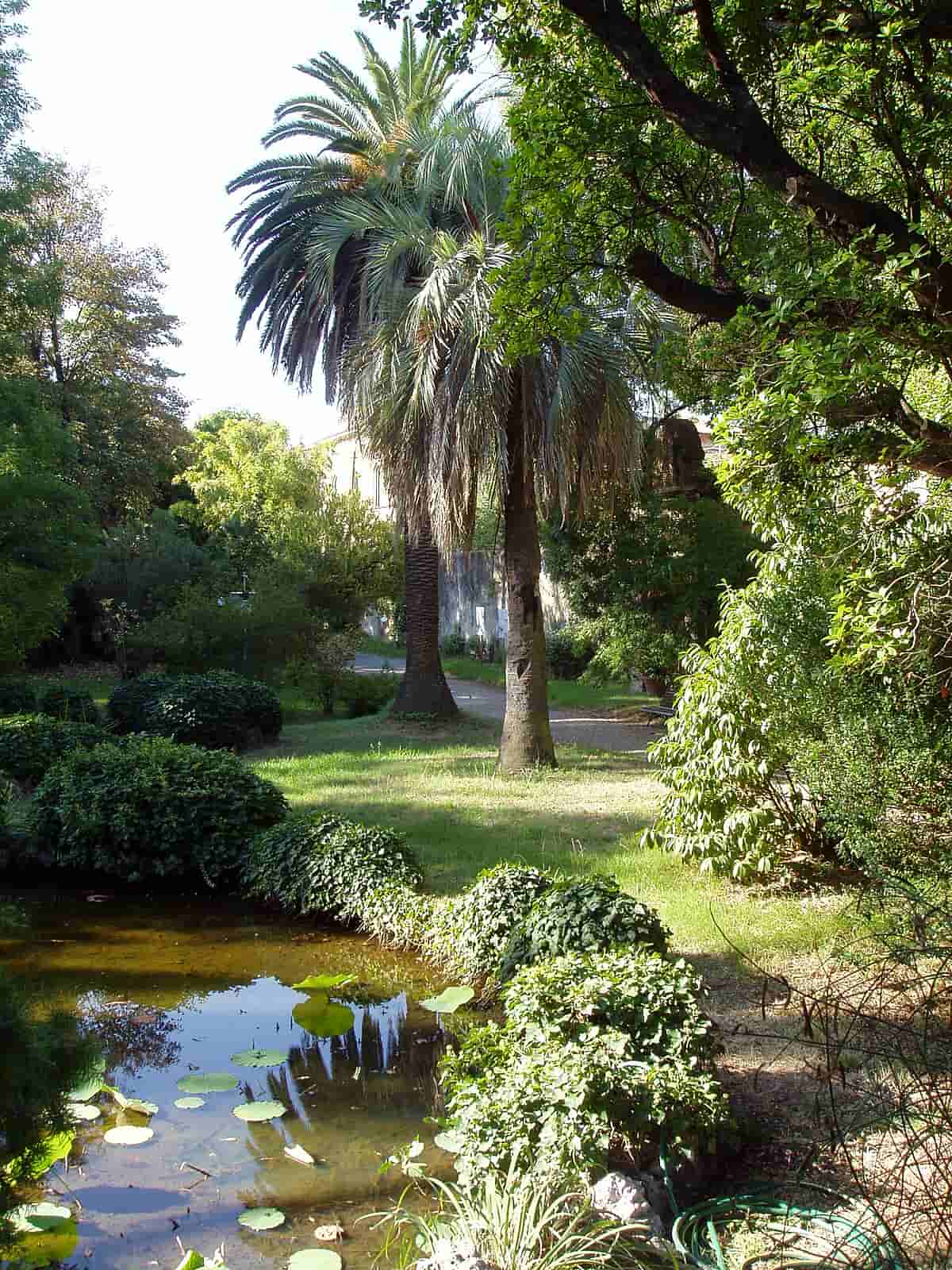
Botanical Garden
The northernmost botanical garden, showcasing Arctic and sub-Arctic flora.
Godafoss Waterfall
Majestic waterfall known as 'Waterfall of the Gods' with historical significance.
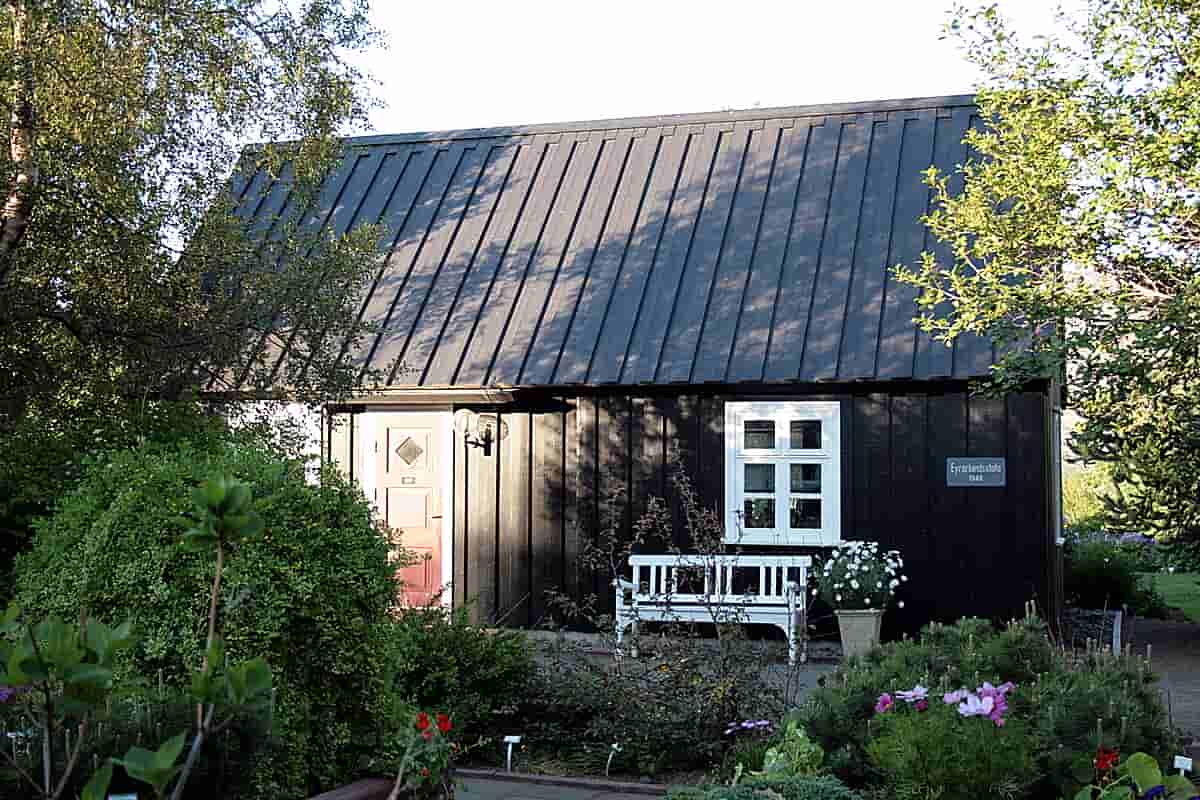
Akureyri Botanical Garden
Northernmost botanical garden with Icelandic and foreign plants
Lystigarðurinn
Historic park with walking paths
Akureyri Cathedral
Iceland's main cathedral with stained glass and choir
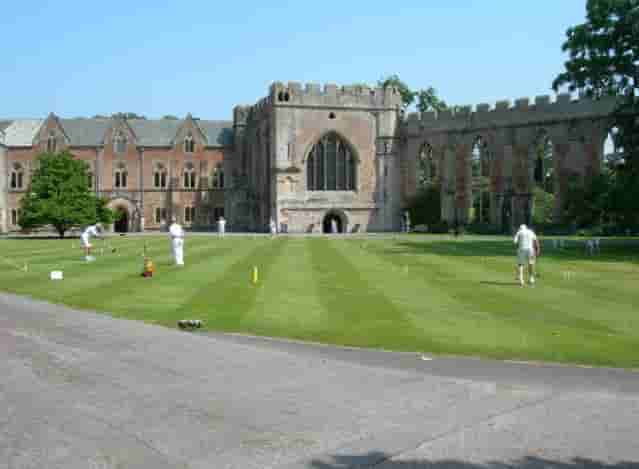
Bishop's Palace
Historical architecture with art exhibitions and gardens
Mountain Whale Watching Tours
Safety-certified boat tours with frequent whale sightings
Hlíðarfjall Ski Area
Ski resort with slopes and lifts.
Hlíðarfjall Ski Resort
Popular ski area with slopes for all levels.
Botanical Garden of Akureyri
Northernmost botanical garden showcasing Arctic and global flora.
🏘️ Neighborhoods
Miðbær (Downtown)
The historic and commercial heart of Akureyri, home to the church, botanical garden, main shops, restaurants, and museums. Compact and perfectly walkable.
Oddeyri
A charming, quiet residential peninsula jutting into the fjord. Features colorful old houses, great views back to the city, and a peaceful atmosphere.
Glerárhverfi
A modern neighborhood across the Glerá river, home to the University of Akureyri and the striking Hof Cultural Center. Has a youthful, academic energy.
Hlíðar
A residential area on the hillside overlooking the city and fjord. Offers spectacular panoramic views and quick access to the Hlíðarfjall ski area.
Hafnarstræti & Aðalstræti
Not strictly a neighborhood, but the two primary parallel streets forming the main retail and dining corridor in the downtown core.
Þingvallastræti Area
A central residential zone with many of the city's guesthouses and smaller hotels. Quiet yet within easy walking distance of all downtown amenities.
🍽️ Local Cuisine
Akureyri's dining scene reflects Iceland's culinary revolution, focusing on fresh, local ingredients. Must-try traditional dishes include hearty lamb soup (kjötsúpa), pan-fried Arctic char (bleikja), and the ubiquitous hot dog (pylsa) with crispy onions and remoulade. For the adventurous, try hákarl (fermented shark) or harðfiskur (dried fish) as a snack. The city boasts excellent cafes serving pastries and strong coffee. For a fine-dining experience, seek out restaurants offering modern Icelandic cuisine with a Nordic twist, often featuring skyr (a cultured dairy product) and fresh seafood. Dining is concentrated in the downtown area along Hafnarstræti and adjacent streets. Prices are high by global standards; a casual meal costs $25-$40, while a nice dinner can easily exceed $80 per person. Tipping is not customary but appreciated for exceptional service.
💡 Local Tips
🚗 Day Trip Ideas
Goðafoss Waterfall
The majestic 'Waterfall of the Gods,' a powerful, horseshoe-shaped cascade steeped in Icelandic saga history.
Lake Mývatn Geothermal Area
A surreal landscape of volcanic craters, bubbling mud pots, pseudo-craters, and unique birdlife. Includes the Mývatn Nature Baths.
Húsavík
Known as Iceland's whale watching capital. Take a boat tour from the charming harbor town for incredible marine life sightings.
Grímsey Island
A remote island straddling the Arctic Circle. Reachable by ferry or plane, it's famous for its bird cliffs and symbolic crossing of the circle.
Siglufjörður
A picturesque fishing town at the tip of a narrow fjord, home to the excellent Herring Era Museum showcasing Iceland's fishing heritage.
Dalvík & the Eyjafjörður Fjord
Explore the scenic fjord by driving its western shore to Dalvík, another charming town offering whale watching and Arctic sea angling tours.
🛡️ Safety Tips
Akureyri is an exceptionally safe city with very low crime rates. Violent crime is rare, and petty crime like pickpocketing is uncommon. Standard precautions like not leaving valuables in parked cars are wise. The primary safety concerns are related to nature and weather. Always check road and weather conditions (vedur.is) before driving, especially in winter when roads can be icy. Never approach wildlife like Arctic foxes too closely. When hiking, stick to marked trails and inform someone of your plans. Respect warning signs near cliffs and geothermal areas. The emergency number in Iceland is 112. Tap water is perfectly safe to drink. Healthcare is excellent but expensive for non-residents, so comprehensive travel insurance is essential.
💰 Budget Guide
Akureyri is expensive, but budgets can be managed. A budget traveler can survive on $80-$120 per day by staying in hostel dorms ($40-$60), cooking some meals, using public buses, and enjoying free attractions like the church and botanical garden. A mid-range traveler should budget $150-$250 per day for a private hotel room (averaging $106/night), eating one nice meal out per day, occasional taxis, and paid activities like a whale watching tour ($80-$100). Luxury travel exceeds $300+ daily for high-end hotels, fine dining, private tours, and spa visits. Save money by booking accommodation well in advance, utilizing the free geothermal swimming pools, picnicking with grocery store supplies, and traveling in the shoulder seasons. Purchasing alcohol at the state-run Vínbúðin store is cheaper than in bars.