Welcome to Keflavik
Keflavik, a town of rugged charm and volcanic drama, is far more than just the gateway to Iceland. Nestled on the windswept Reykjanes Peninsula in the Suðurnes region, this coastal community is your first and often last taste of the island's raw, elemental beauty. While its identity is intrinsically linked to Keflavik International Airport, the nation's primary air hub, the town itself is a destination of quiet allure, where colorful houses stand in stark contrast to the surrounding black lava fields. It's a place where you can feel the pulse of Iceland's maritime history and witness the literal rift between continents. With a convenient selection of around 20 hotels catering to transit passengers and explorers alike, Keflavik offers a practical and fascinating base. Whether you're dipping into the geothermal wonders of the nearby Blue Lagoon or exploring the dramatic coastline, Keflavik serves as a compelling prologue or epilogue to any Icelandic adventure.
Overview
Keflavik's history is deeply rooted in the sea. For centuries, it was one of Iceland's most important fishing villages, with its economy and culture built around the cod and herring industries. This heritage is proudly preserved at the excellent Viking World Museum, which houses a full-scale replica of a Viking ship, and the Suðurnesja Museum, detailing local life. The town's modern significance surged with the construction of the NATO airbase and later the international airport, transforming it into a global crossroads. Today, Keflavik is famous for its proximity to otherworldly geological sites. The Reykjanesviti Lighthouse, Iceland's oldest, guards a dramatic coastline, while the Bridge Between Continents allows you to walk between the Eurasian and North American tectonic plates. The town itself is compact and walkable, centered around the harbor and main street, with a laid-back, authentic vibe distinct from the bustle of Reykjavik. It's the perfect launchpad for exploring the geothermal wonders, volcanic landscapes, and Viking history of the Reykjanes Peninsula.
🗓️ Best Time to Visit
The best time to visit Keflavik depends on your priorities. For milder weather and the midnight sun, visit from June to August. These summer months offer long days (up to 24 hours of daylight in June), lush landscapes, and access to all attractions, but they are peak tourist season with higher prices and crowds. Shoulder seasons (May and September) provide a good balance of decent weather, fewer visitors, and the chance to see the Northern Lights as darkness returns. Winter (October to April) is cold, dark, and windy, but it's ideal for chasing the Aurora Borealis and experiencing Iceland's dramatic winter scenery, with the benefit of lower prices. Major events include the Icelandic National Day (June 17th) with local celebrations, and the Reykjanes Music Festival in autumn. Note that some outdoor attractions or tours may have limited operations in deep winter due to weather conditions.
🌤️ Weather & Climate
Keflavik has a cool, maritime subarctic climate characterized by cool summers, chilly but not extremely cold winters, and consistent wind and precipitation year-round. Weather is highly changeable, with the possibility of experiencing all four seasons in a single day.
Seasons
Winter
💨 Humidity: high
Dark, windy, and damp with frequent rain/sleet/snow showers. Ideal for Northern Lights viewing. Daylight is very limited in December and January.
Spring
💨 Humidity: high
Unpredictable weather transitioning from winter cold to milder conditions. Days lengthen rapidly. Landscapes begin to green.
Summer
💨 Humidity: high
Mildest weather with long daylight hours (midnight sun in June). Still often windy and cloudy with occasional rain. Peak tourist season.
Autumn
💨 Humidity: high
Rapid cooling, increasing storms, and darkness. Vibrant autumn colors possible. Northern Lights return. Often the wettest and windiest season.
Monthly Weather Details
January Weather
Best for: Northern Lights, indoor museums
February Weather
Best for: Northern Lights, winter landscapes
March Weather
Best for: Northern Lights (early month), longer days
April Weather
Best for: Shoulder season exploration, fewer crowds
May Weather
Best for: Spring hiking, bird watching
June Weather
Best for: Midnight sun, all outdoor activities
July Weather
Best for: Peak summer travel, festivals
August Weather
Best for: Summer activities, whale watching
September Weather
Best for: Autumn colors, Northern Lights return
October Weather
Best for: Storm watching, cultural visits
November Weather
Best for: Northern Lights, pre-holiday travel
December Weather
Best for: Christmas atmosphere, Northern Lights
🎒 What to Pack
All Year Round
- waterproof and windproof jacket
- layered clothing (thermal base layers, fleece)
- sturdy waterproof shoes or boots
- hat and gloves
- swimsuit (for geothermal pools)
🚗 Getting Around
Keflavik is a small, walkable town, and most key sites within the town center are easily accessible on foot. For exploring the wider Reykjanes Peninsula, you will need other transport. Public buses (Strætó) connect Keflavik to neighboring towns like Reykjanesbær and Njarðvík, and to Reykjavik, but service can be infrequent, especially on weekends. Renting a car is highly recommended for maximum flexibility to visit sites like the Bridge Between Continents, the lighthouses, and the volcanic areas. Taxis are available but expensive; ride-sharing apps like Hreyfill are used. For airport transfers, Flybus and Gray Line offer regular coach services to Reykjavik, and many hotels provide shuttle services. Biking is possible in town but can be challenging due to frequent strong winds. Always check road conditions at road.is, especially in winter.
🎯 Top Attractions
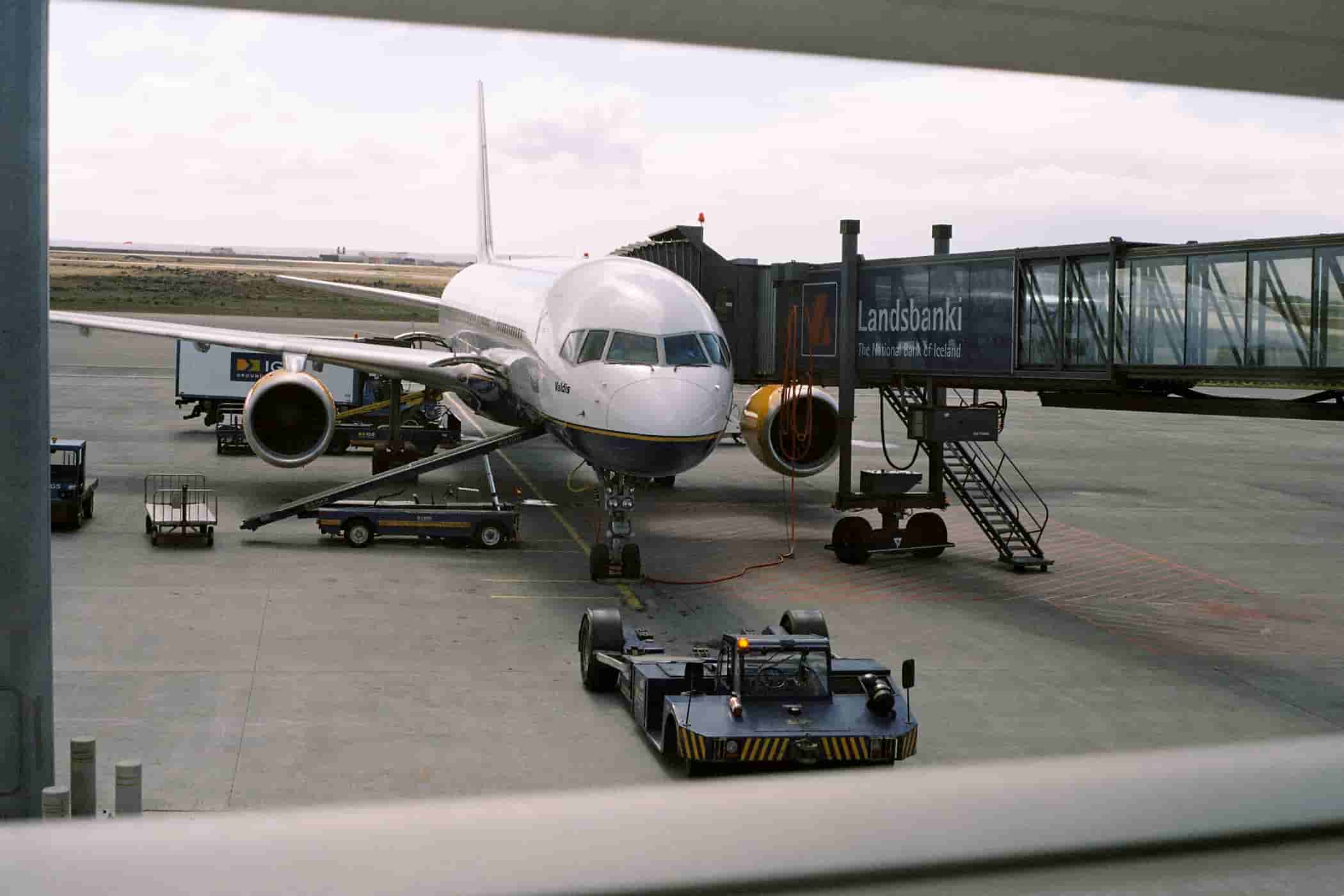
Keflavik International Airport
Main international airport with modern facilities and services.
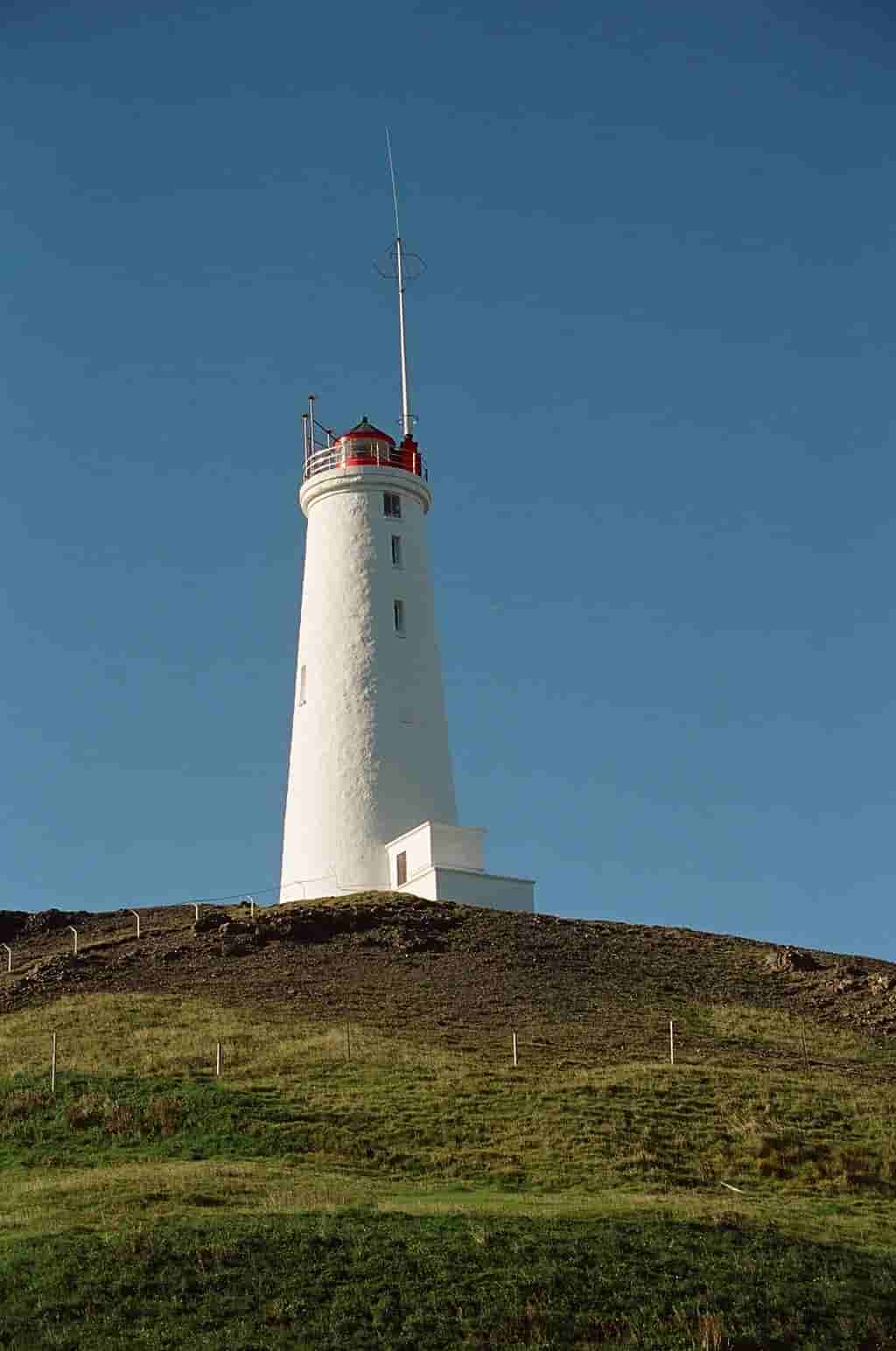
Reykjanesviti Lighthouse
Iconic lighthouse with stunning views of the rugged Icelandic coastline.
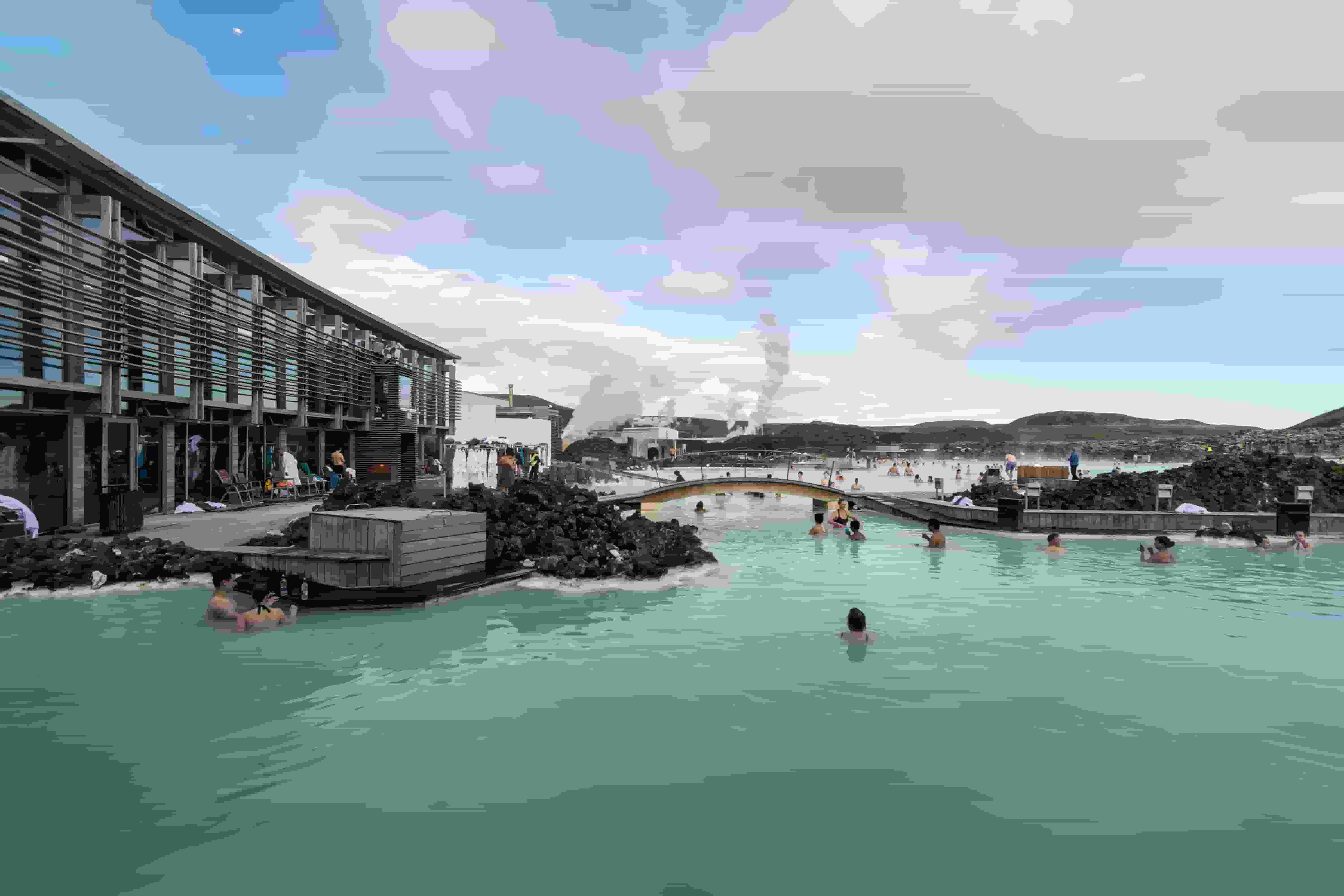
Blue Lagoon
Famous geothermal spa with milky blue waters and luxury treatments.
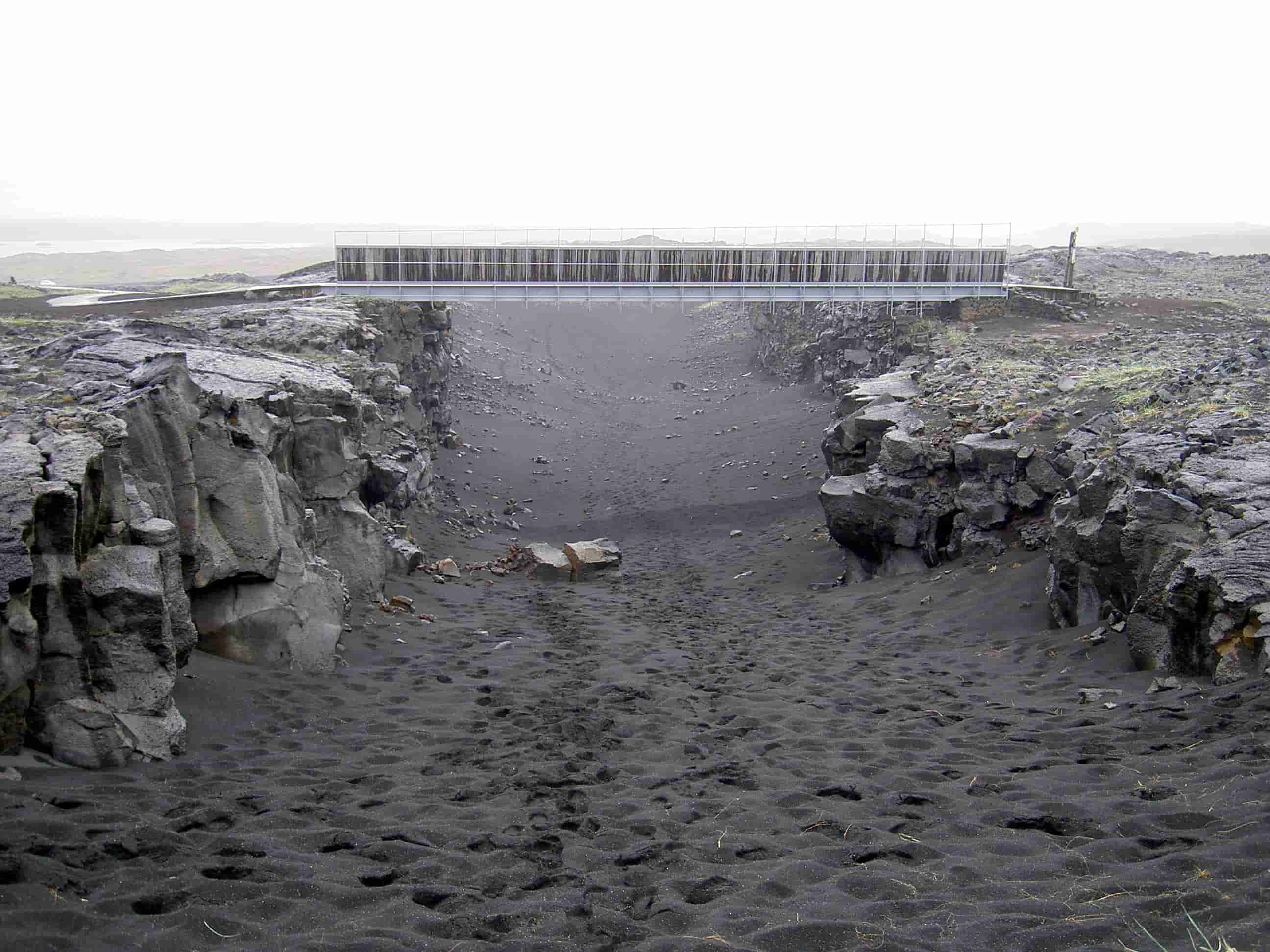
Bridge Between Continents
Symbolic bridge spanning the rift between Eurasian and North American plates.
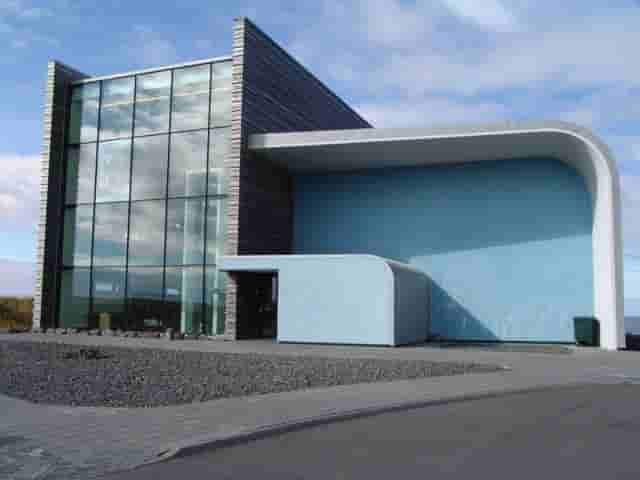
Viking World Museum
Exhibits on Viking history including a full-size Viking ship replica
Reykjanes Peninsula
Geothermal area with lava fields and hiking trails
Golden Circle
Volcanic landscape featuring Gullfoss waterfall and Þingvellir National Park.
Hafnarfoss Amphitheater
Golf course offering stunning coastal views and evening concerts.
Suðurnesja Museum
Fascinating museum showcasing the history and culture of the Reykjanes Peninsula.
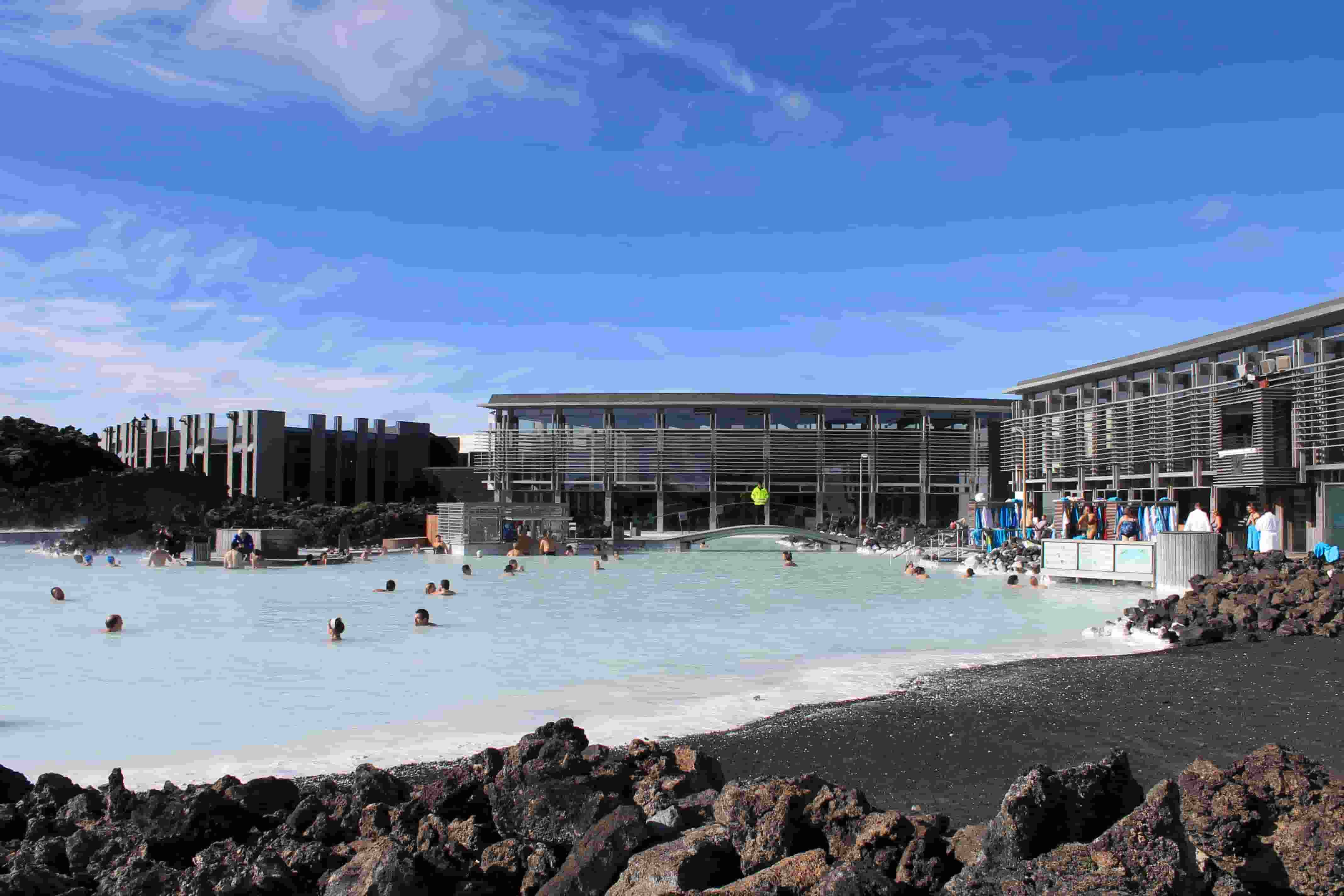
Blue Lagoon Iceland
World-famous geothermal spa and wellness center, a must-visit for any Iceland traveler.
Keflavik Airport
International airport with services
Reykjavik City
Capital city with cultural sites and nightlife
🏘️ Neighborhoods
Hafnargata & Downtown
The historic heart of Keflavik, centered around the main street and harbor. Packed with colorful old houses, cafes, restaurants, shops, and museums like Suðurnesja.
Keflavikurhöfn (Harbor)
The working fishing harbor, offering fresh seafood restaurants, boat tours, and views of the rugged coastline. A quieter, more maritime atmosphere.
Ásbrú (Former NATO Base)
A modern area east of the town center, now a business and innovation park. Features some newer accommodation options and is very close to the airport.
Njarðvík
A neighboring town within the Reykjanesbær municipality, featuring a larger commercial center (Smáralind mall), a geothermal swimming pool, and residential areas.
Reykjanesbær (Municipal Center)
The administrative and commercial hub combining Keflavik, Njarðvík, and Hafnir. Offers the widest range of services, shops, and practical amenities.
Vatnsleysuströnd
A coastal area west of the center, with more spread-out housing and direct access to the dramatic shoreline and lava fields. Offers a quieter, residential feel.
🍽️ Local Cuisine
Icelandic cuisine in Keflavik revolves around fresh seafood, lamb, and Skyr. Must-try dishes include Plokkfiskur (a hearty fish stew), Harðfiskur (dried fish jerky eaten with butter), and the famous Icelandic hot dog (pylsur) with crispy onions and remoulade. For the adventurous, there's Hákarl (fermented shark) and Svið (singed sheep's head). Dining culture is generally casual, and tipping is not customary. Popular food areas are along the harbor and the main street, Hafnargata, where you'll find a mix of cozy cafes, fish restaurants, and fast-food spots. Price ranges are high by global standards; a budget meal starts around $15-20, a mid-range restaurant main course is $30-50, and fine dining can exceed $80. For a more affordable bite, visit the local supermarket or hot dog stand. Remember to try the local beer and Brennivín schnapps.
💡 Local Tips
🚗 Day Trip Ideas
Reykjanes Peninsula Geothermal Loop
A circuit of the peninsula's highlights: Gunnuhver hot springs, Reykjanesviti Lighthouse, Valahnúkamöl cliffs, and the Bridge Between Continents.
Blue Lagoon
The world-famous geothermal spa in a lava field. Pre-book tickets for a relaxing soak in milky-blue, mineral-rich waters.
Reykjavik
Iceland's vibrant capital city. Explore Hallgrímskirkja church, Harpa concert hall, the old harbor, and numerous museums and shops.
Krýsuvík Geothermal Area & Kleifarvatn Lake
See bubbling mud pots and steaming fumaroles at Krýsuvík, then visit the deep, mysterious Kleifarvatn lake on the Reykjanes ridge.
Grindavík Fishing Village
A traditional fishing town south of the Blue Lagoon. Visit the Saltfish Museum, see the harbor, and enjoy fresh seafood.
The Golden Circle (Classic Route)
A long but rewarding day trip to Iceland's iconic trio: Þingvellir National Park, Geysir geothermal area, and Gullfoss waterfall.
🛡️ Safety Tips
Iceland is one of the safest countries in the world, and Keflavik is no exception. Violent crime is extremely rare. However, the main dangers are environmental. Always respect weather warnings; conditions can deteriorate rapidly. Never venture off marked paths near cliffs, geothermal areas, or the rough Atlantic coastline. Be extremely cautious when driving in winter; black ice and strong winds are common. Check road.is and vedur.is before traveling. There are no common scams targeting tourists. The emergency number for police, ambulance, and fire is 112. Tap water is perfectly safe to drink. Healthcare is excellent but expensive for non-EU/EEA citizens, so comprehensive travel insurance is essential. Be mindful of the powerful sun in summer, especially with reflective snow or water.
💰 Budget Guide
Iceland is expensive. A budget traveler can manage on $80-120 per day by staying in hostel dorms ($40-60), cooking meals, using public transport sparingly, and enjoying free natural attractions. A mid-range budget of $200-350 per day covers a private hotel room (around the $120 average), eating one restaurant meal per day plus casual lunches, renting a small car for peninsula exploration, and paid entry to one attraction like Viking World. Luxury travel exceeds $500 daily, with high-end hotels, fine dining, private tours, and spa experiences at the Blue Lagoon. Save money by booking accommodation and rental cars well in advance, buying alcohol at the airport duty-free, eating hot dogs and supermarket food, and filling your water bottle for free. Many of Reykjanes's stunning natural sights, like the Bridge Between Continents and lighthouses, are free to visit.