Welcome to Hafnarfjordur
Nestled on Iceland's dramatic southwestern coast, just a stone's throw from the capital, Hafnarfjörður is a town where myth and modernity collide in the most enchanting way. Known as the 'Town in the Lava,' its very foundations are woven into ancient, moss-draped lava flows, creating an otherworldly urban landscape. This charming harbor town, part of the Greater Reykjavík area, offers a more intimate and authentic Icelandic experience than its bustling neighbor. With a population deeply connected to the sea and folklore, Hafnarfjörður is famously considered a capital for the 'hidden people' or elves, adding a layer of magic to every stroll through its lava fields and parks. As a perfect base for exploring the Reykjanes Peninsula, the town provides convenient access with a selection of 14 hotels, offering an average nightly rate that makes an extended exploration of Iceland's wonders more accessible. Whether you're here to delve into Viking history, soak in geothermal wonders, or simply breathe in the crisp Atlantic air, Hafnarfjörður serves as a captivating gateway.
Overview
Hafnarfjörður, whose name translates to 'Harbor Fjord,' has a rich history as one of Iceland's oldest trading ports, with settlement dating back to the 14th century. Its deep, sheltered harbor made it a vital center for fishing and commerce, an identity it proudly maintains today. The town is famously built within and around the Hafnarfjörður Lava Field, with neighborhoods and roads winding through the rugged, scenic terrain of Hellisgerði Lava Park. Culturally, it is renowned for its vibrant Viking heritage, celebrated annually at the Viking Festival, and its strong connection to Icelandic folklore regarding elves and hidden beings. The compact Town Center is the heart of daily life, featuring colorful houses, local shops, and cafes. Key districts include the bustling harbor area, the historic core around the Hafnarfjörður Museum, and the serene residential zones integrated into the lava. The town is a hub for geothermal energy, with swimming pools heated by the earth's power, and serves as a strategic starting point for tours to the Blue Lagoon and the volcanic landscapes of the Reykjanes Peninsula.
🗓️ Best Time to Visit
The best time to visit Hafnarfjörður depends on your desired experience. The summer months (June to August) offer the Midnight Sun, with nearly 24 hours of daylight, mild temperatures (averaging 10-15°C/50-59°F), and lush green landscapes. This is the peak tourist season, ideal for hiking, exploring lava fields, and attending major events like the annual Viking Festival in June. However, it's also the busiest and most expensive time. The shoulder seasons of May and September provide a sweet spot with fewer crowds, decent weather, and the chance to see the Northern Lights as darkness returns. Winter (October to April) is cold, dark, and windy, but it's the prime time for witnessing the spectacular Aurora Borealis. This is the off-peak season, with lower prices and a truly magical, stark atmosphere. Be prepared for limited daylight hours and rapidly changing weather conditions year-round.
🌤️ Weather & Climate
Hafnarfjörður has a subpolar oceanic climate, characterized by cool summers, chilly but not extremely cold winters, and year-round precipitation. Weather is famously unpredictable, with conditions changing rapidly throughout the day.
Seasons
Winter
💨 Humidity: high
Cold, dark, and windy with frequent rain and snow showers. Ideal for Northern Lights viewing. Daylight is very limited in December and January.
Spring
💨 Humidity: high
A transitional season with increasing daylight, melting snow, and cool temperatures. Nature begins to awaken, but weather remains variable.
Summer
💨 Humidity: high
Mildest weather with nearly 24 hours of daylight in June. Lush green landscapes. The peak tourist season, though 'warm' is relative.
Autumn
💨 Humidity: high
Days shorten quickly, temperatures drop, and rainfall increases. Stunning autumn colors and the return of the Northern Lights by late September.
Monthly Weather Details
January Weather
Best for: Northern Lights, indoor cultural visits
February Weather
Best for: Northern Lights, winter festivals
March Weather
Best for: Late-season auroras, early spring sights
April Weather
Best for: Increasing daylight, fewer crowds
May Weather
Best for: Spring hiking, bird watching
June Weather
Best for: Midnight Sun, Viking Festival, all outdoor activities
July Weather
Best for: Peak summer exploration, harbor activities
August Weather
Best for: Hiking, geothermal pools, end of peak season
September Weather
Best for: Autumn colors, Northern Lights return, shoulder season travel
October Weather
Best for: Aurora hunting, storm watching
November Weather
Best for: Northern Lights, pre-holiday quiet
December Weather
Best for: Christmas lights, cozy indoor experiences
🎒 What to Pack
All Year Round
- waterproof and windproof jacket
- layered clothing (thermal base layers, fleece)
- sturdy waterproof hiking shoes
- swimsuit (for geothermal pools)
- reusable water bottle
🚗 Getting Around
Hafnarfjörður is a compact and highly walkable town, especially the harbor and main town center. Walking is the best way to explore the unique lava formations and charming streets. Biking is also a popular option, with rental shops available. The Strætó public bus system connects Hafnarfjörður seamlessly with Reykjavík and other towns in the Capital Region; a single fare is around 550 ISK. Taxis are available but expensive; ride-sharing apps like Hreyfill are commonly used. For airport transfers, Keflavík International Airport (KEF) is about a 20-minute drive away. The Flybus service offers direct coach transfers to Hafnarfjörður and Reykjavík, while private taxi transfers are faster but costlier. Renting a car is highly recommended for maximum flexibility to explore the Reykjanes Peninsula, the Blue Lagoon, and beyond, especially outside summer. Driving is straightforward, but be cautious of winter road conditions.
🎯 Top Attractions
Hafnarfjordur Museum
Local history museum showcasing Icelandic culture.
Viking Village
Recreated Viking settlement with festivals and cultural events.
Hellisgerdi Park
Lava rock park with beautiful walking paths and elf folklore.
Hafnarfjordur Harbor
Bustling harbor with fishing boats, restaurants, and scenic walks.
Hellisgerdi Lava Park
Lava rock park with elf folklore and peaceful walking paths.
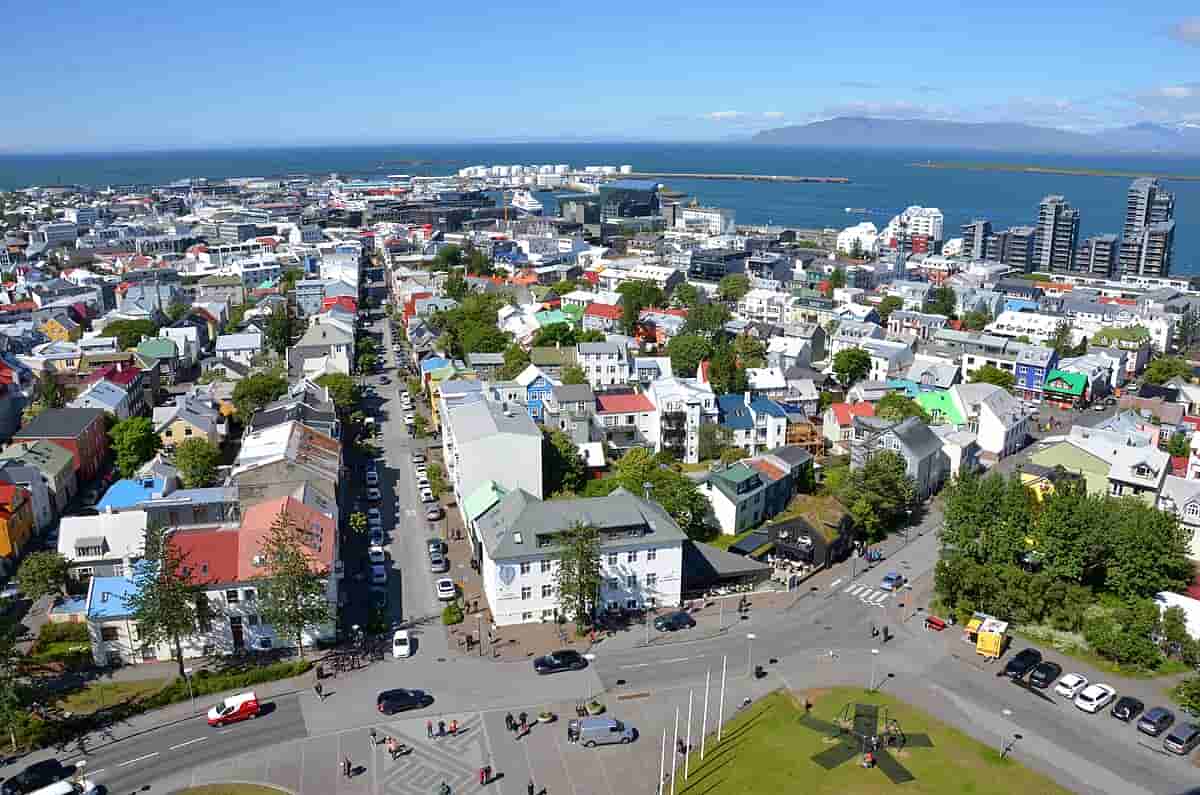
Reykjavik
Capital city of Iceland with museums, shops, and nightlife.
Hafnarfjordur Lava Field
A lava field with walking paths and scenic views.
Blue Lagoon
Famous geothermal spa with milky-blue mineral-rich waters.
Hafnarfjordur Town Center
Picturesque town known for its lava fields and elf folklore.
Hafnarfjordur Viking Village
A themed village celebrating Viking history with restaurants and events.
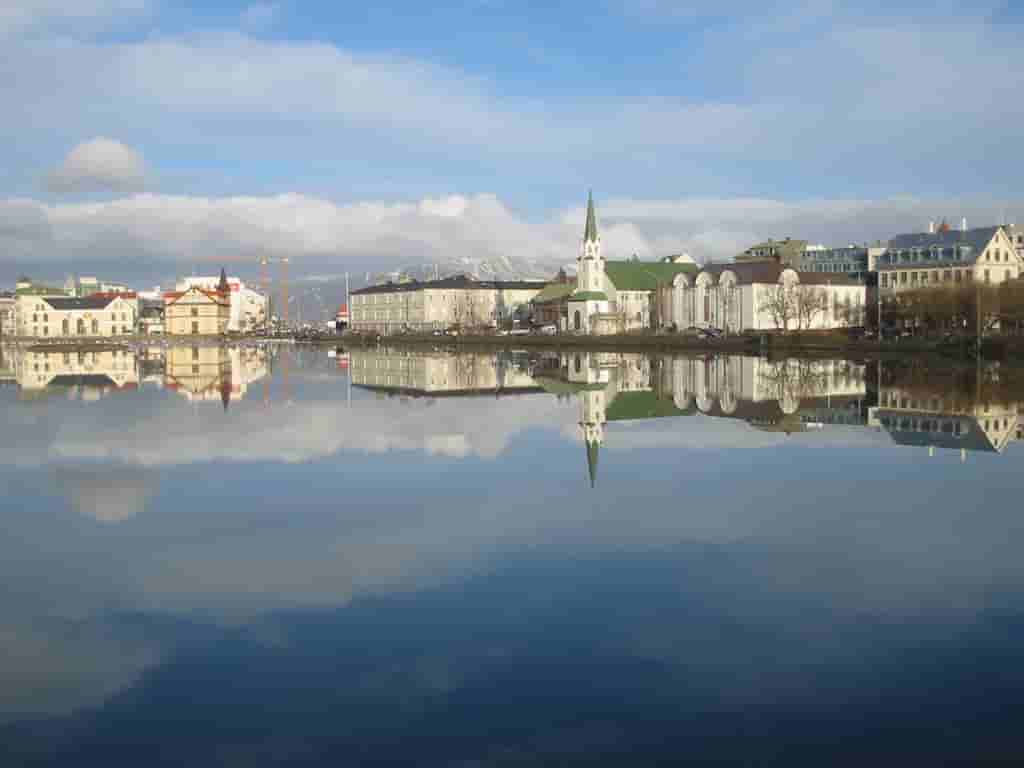
Reykjavik City Center
The capital's vibrant downtown with shops, museums, and nightlife.
🏘️ Neighborhoods
Town Center (Miðbær)
The historic and commercial heart, centered around Strandgata. Features colorful old houses, shops, cafes, the main museum, and the iconic church.
Harbor (Höfnin)
A bustling area with fishing boats, seafood restaurants, and views of the fjord. The working port atmosphere is authentic and photogenic.
Hellisgerði Lava Park Area
Residential neighborhoods built within and around the enchanting moss-covered lava flows. Quiet, scenic, and uniquely Icelandic.
Víðistaðatún
A modern residential area to the northeast, home to the Víðistaðatún sports complex and more suburban-style accommodation.
Hafnir
A southeastern neighborhood offering beautiful views over the fjord and closer proximity to the main road leading to Reykjavík and the airport.
Kársnes
A peninsula south of the harbor with a mix of industry and residential areas, offering different perspectives of the town and sea.
🍽️ Local Cuisine
Icelandic cuisine in Hafnarfjörður revolves around fresh seafood, lamb, and Skyr. Must-try signature dishes include Plokkfiskur (a hearty fish stew), Hangikjöt (smoked lamb), and fresh lobster/langoustine from the harbor. For the adventurous, there's Hákarl (fermented shark) and Svið (singed sheep's head). The dining culture is casual yet quality-focused. The harbor area and the main street, Strandgata, are lined with excellent restaurants ranging from cozy fish shacks to upscale Nordic eateries. A typical meal at a mid-range restaurant costs 3,000-6,000 ISK. For a more budget-friendly option, visit the local hot dog stand (pylsur) or grab a soup and bread lunch. Etiquette is straightforward; tipping is not customary as service charges are included. Reservations are recommended for popular restaurants, especially in summer. Don't miss trying the local beer from Ölgerðin Egill Skallagrímsson brewery.
💡 Local Tips
🚗 Day Trip Ideas
Reykjavík
Iceland's vibrant capital city, offering museums, Hallgrímskirkja church, and a bustling culinary scene.
Blue Lagoon
World-famous geothermal spa set in a stunning lava field. Pre-booking is absolutely essential.
Reykjanes Peninsula Geopark
A UNESCO site featuring dramatic volcanic landscapes, geothermal areas, the Bridge Between Continents, and the Gunnuhver hot springs.
Keflavík & The Viking World Museum
Explore the town of Keflavík and its excellent museum featuring a full-scale Viking ship replica.
Þingvellir National Park
A UNESCO site of immense historical and geological significance, where you can walk between tectonic plates.
South Coast (Seljalandsfoss & Skógafoss)
A longer but spectacular drive to two of Iceland's most iconic and powerful waterfalls.
🛡️ Safety Tips
Hafnarfjörður is an exceptionally safe town with very low crime rates. Violent crime is rare. Standard precautions like securing valuables are sufficient. There are no specific areas to avoid, though standard nighttime awareness is advised. The primary risks are environmental: always respect weather warnings, never walk on closed paths or too close to the ocean's edge, and be extremely cautious when driving in winter conditions. Iceland has no dangerous wildlife. Emergency number is 112 for police, ambulance, and fire. For health, ensure you have comprehensive travel insurance as medical care for non-residents is expensive. Tap water is perfectly safe to drink. Be mindful of rapidly changing weather; hypothermia is a risk even in summer if unprepared. Scams are uncommon, but be wary of overpriced tourist services; always book tours through reputable companies.
💰 Budget Guide
Daily budgets vary significantly in Iceland. Budget travelers can manage on $80-120 per day by staying in hostel dorms ($40-60), cooking meals, using public transport, and enjoying free attractions like hiking lava fields. Mid-range travelers should budget $150-250 per day for a private hotel room (around $95 average), eating one meal out per day, joining a guided tour, and renting a car. Luxury travelers can expect $350+ per day for premium hotels, fine dining, private tours, and spa visits like the Blue Lagoon. Money-saving tips: Book accommodation and rental cars well in advance, especially for summer. Shop at Bonus or Krónan supermarkets for groceries. Utilize the town's excellent geothermal swimming pools for affordable relaxation (under $10). Drink tap water. Consider visiting in the shoulder seasons for lower prices. Many natural attractions are free.