Welcome to Hella
Nestled in the fertile plains of South Iceland's Rangarvellir region, Hella is far more than a simple dot on the Ring Road. This unassuming town of just over 900 residents serves as a quintessential Icelandic gateway, a place where the raw power of the island's volcanic heart meets the serene beauty of its pastoral landscapes. Hella's true significance lies in its location, positioned as the perfect basecamp for adventures into the country's most dramatic interior highlands and along its iconic southern coast. With the ever-present silhouette of the notorious Hekla volcano on the horizon, the town hums with the energy of explorers preparing to witness nature's grandest spectacles. For travelers, this translates to a welcoming, functional hub where you can fuel up, gear up, and rest comfortably. The town's hospitality is underscored by its 11 hotels, offering a range of accommodations that provide a warm, reliable haven after days spent chasing waterfalls, traversing black sand beaches, or hiking in rainbow-colored mountains. Hella is not the destination itself, but the essential launchpad that makes the wonders of South Iceland wonderfully accessible.
Overview
Hella's history is deeply intertwined with the land and the powerful Þjórsá River that flows nearby. Its name, meaning 'Cave' in Icelandic, is believed to derive from historic caves along the riverbanks. For centuries, it was a vital agricultural and trading center within the Rangárþing ytra municipality. The construction of the bridge over the Þjórsá in 1895 solidified its importance, connecting regions and facilitating growth. While modest in size, Hella is famous as the primary service town and starting point for journeys into the unparalleled beauty of the Landmannalaugar region, a geothermal wonderland of rhyolite mountains and hot springs. It is equally renowned for its proximity to the explosive force of Hekla, one of Iceland's most active volcanoes, historically known as the 'Gateway to Hell.' Culturally, it's a community rooted in farming, fishing (in the river), and an increasing focus on tourism. The town center is compact and functional, centered around services, a few shops, and the distinctive modern architecture of Hella Church, a landmark with a design inspired by the surrounding landscape. Hella represents the authentic, working side of Iceland, offering a genuine glimpse into local life away from the bustle of Reykjavík, while placing you at the doorstep of epic natural adventures.
🗓️ Best Time to Visit
The best time to visit Hella is during the summer months, from June to August. This period offers the mildest weather, with long daylight hours due to the midnight sun, providing maximum time for exploration. All highland roads, including the crucial routes to Landmannalaugar, are typically open, making this the only feasible season for accessing the interior's most famous sites. This is the peak tourist season, so booking accommodations in advance is essential. The shoulder seasons of May and September offer a compelling compromise with fewer crowds, lower prices, and still-manageable weather, though highland access becomes limited and unpredictable. Winter, from October to April, transforms the region into a stark, beautiful wonderland. While many highland roads are closed, the southern coast attractions like Seljalandsfoss and Skógafoss remain accessible and are spectacular when frozen. This is the season for witnessing the Northern Lights. However, daylight is extremely limited (only 4-5 hours in December), and driving conditions can be hazardous due to ice and storms. Major events are sparse, but the town participates in national holidays like Þjóðhátíð (in August) and the Summer Festival in nearby Hvolsvöllur.
🌤️ Weather & Climate
Hella experiences a cool, temperate maritime climate with significant variability. Winters are cold, dark, and windy, while summers are cool and mild with nearly endless daylight. Weather can change rapidly in any season.
Seasons
Winter
💨 Humidity: high
Cold, dark, and often stormy with snow and ice common. Ideal for Northern Lights viewing but challenging for travel.
Spring
💨 Humidity: high
Unpredictable mix of lingering winter conditions and milder, longer days. Land begins to thaw.
Summer
💨 Humidity: high
Cool and mild with nearly 24-hour daylight in June. The most stable weather for hiking and highland travel.
Autumn
💨 Humidity: high
Rapid cooling, increasing storms, and beautiful fall colors. Daylight decreases quickly.
Monthly Weather Details
January Weather
Best for: Northern Lights, cozy indoor stays
February Weather
Best for: Northern Lights, winter photography
March Weather
Best for: Late winter activities, fewer crowds
April Weather
Best for: Early spring sights, shoulder season travel
May Weather
Best for: Spring landscapes, bird watching, longer days
June Weather
Best for: Midnight sun, highland hikes, peak season start
July Weather
Best for: All outdoor activities, Landmannalaugar access
August Weather
Best for: Festivals, hiking, last reliable highland access
September Weather
Best for: Autumn colors, fewer crowds, shoulder season
October Weather
Best for: Storm watching, early Northern Lights potential
November Weather
Best for: Winter atmosphere, low season travel
December Weather
Best for: Christmas spirit, Northern Lights, shortest days
🎒 What to Pack
All Year Round
- waterproof and windproof jacket
- layered clothing (thermal base, fleece)
- sturdy waterproof hiking boots
- swimsuit (for hot springs)
- reusable water bottle
🚗 Getting Around
Getting around Hella and South Iceland requires planning, as the town itself is small but the attractions are spread out. Within Hella's compact center, walking is perfectly feasible. There is no local public bus system within the town. For exploring the region, you have three main options. Renting a car is by far the most popular and recommended method, offering complete flexibility to visit waterfalls, beaches, and trailheads at your own pace. A 4x4 vehicle is legally required for the F-roads leading into the highlands like Landmannalaugar. Taxis are available but expensive and best for short local trips. For those without a car, scheduled bus tours are the primary alternative. Companies like Reykjavík Excursions and Sterna Travel offer day tours from Hella or Reykjavík to major sites like the Golden Circle, South Coast, and Landmannalaugar (summer only). There is no train system. Keflavík International Airport (KEF) is about a 1.5 to 2-hour drive away. Transfer options include pre-booked shuttle buses, private taxi transfers (very costly), or picking up a rental car directly at the airport, which is the most convenient option for a Hella-based trip.
🎯 Top Attractions
Hekla Volcano
Active volcano known for its frequent eruptions and hiking trails.
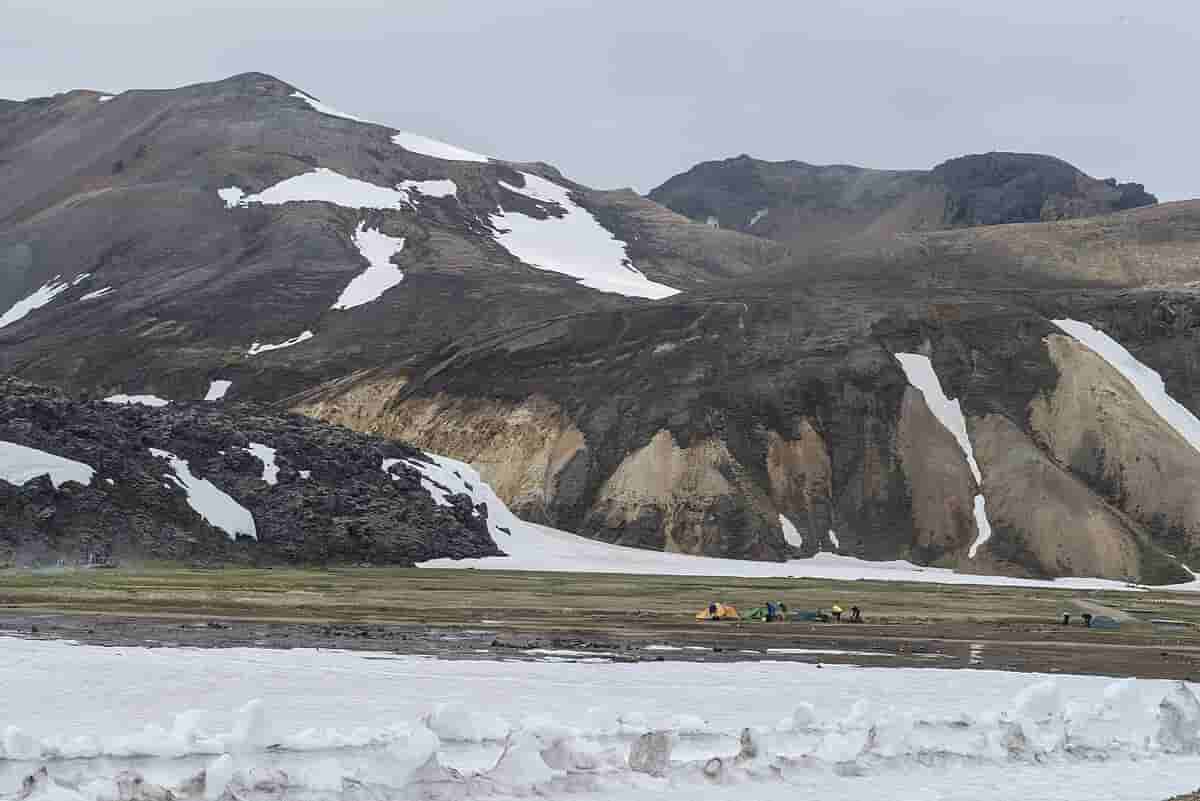
Landmannalaugar
A stunning area with colorful rhyolite mountains and hot springs.
Seljalandsfoss Waterfall
Famous waterfall where you can walk behind the cascading water.
Hella Church
Local church with historical significance.
South Iceland
Region known for waterfalls and volcanic landscapes.
Rangárþing ytra
Rural area with hiking trails and natural beauty.
Skogafoss Waterfall
Majestic waterfall with steps for climbing.
Hella Town Center
A small town with local shops and cultural events.
Rangarvellir Region
Agricultural area with horse farms and scenic river views.
Thjorsardalur Valley
A historic valley with waterfalls and Viking-age ruins.
Þjórsá River
Iceland's longest river for fishing and views
Eyjafjallajökull Volcano
Glacier-covered volcano known for its 2010 eruption.
🏘️ Neighborhoods
Town Center
The compact heart of Hella, centered around the main road (Þjóðvegur). Contains most services, including hotels, restaurants, the supermarket, gas station, and the iconic Hella Church.
Riverside Areas
Quiet residential areas along the banks of the Þjórsá and Ytri-Rangá rivers. Offers beautiful views, peace, and proximity to fishing spots and walking paths.
Outlying Farms & Guesthouses
Scattered farms and countryside accommodations surrounding Hella proper. Provides an authentic rural Icelandic experience with stunning views of mountains and plains.
🍽️ Local Cuisine
Icelandic cuisine in Hella focuses on fresh, local, and traditionally preserved ingredients. Signature dishes you must try include lamb, which is exceptionally tender due to free-range grazing, often served as a roast or in kjötsúpa (a hearty meat and vegetable soup). Fresh river-caught salmon and trout are menu staples. For the adventurous, sample traditional fare like hákarl (fermented shark) or svið (singed sheep's head) at local festivals or specialty restaurants. Skyr, a thick, protein-rich dairy product, is a breakfast and snack essential. Dining culture is generally casual; even nice restaurants are rarely formal. Hella has a selection of cozy restaurants, cafes, and petrol station grills that serve surprisingly good food. For a true local experience, visit a 'kaffihús' (coffee house) for pastries and coffee. Price ranges are high by global standards; a budget meal at a grill costs around $15-25, a mid-range restaurant meal $30-50, and fine dining even more. Tipping is not expected but appreciated for exceptional service. Remember, alcohol is only sold in state-run Vínbúðin stores, not in supermarkets or most restaurants.
💡 Local Tips
🚗 Day Trip Ideas
Landmannalaugar
A world-famous highland area with multicolored rhyolite mountains, vast lava fields, and natural hot springs. A hiker's paradise.
South Coast Waterfalls & Black Sand Beach
Visit the iconic Seljalandsfoss and Skógafoss waterfalls, then continue to the dramatic Reynisfjara black sand beach near Vík.
Þórsmörk (Thorsmork) Valley
A stunning, glacier-carved valley nestled between three glaciers, offering incredible hiking trails and rugged natural beauty.
Golden Circle Classic
The classic route featuring Þingvellir National Park, the Geysir geothermal area, and the mighty Gullfoss waterfall.
Hekla Volcano Area
Explore the foothills of Iceland's most famous volcano, with hiking trails and a landscape shaped by repeated eruptions.
Þjórsárdalur Valley & Háifoss
A historic valley with ancient Viking farm ruins (Stöng) and the towering Háifoss, one of Iceland's tallest waterfalls.
🛡️ Safety Tips
Iceland is one of the safest countries in the world, and Hella is a very low-crime area. Violent crime is extremely rare. The primary safety concerns are environmental. Always check road and weather conditions at road.is and en.vedur.is before driving, especially in winter. Never drive on closed F-roads without a suitable 4x4. When visiting waterfalls, beaches, or cliffs, heed all warning signs; waves at black sand beaches (like Reynisfjara) are deadly and unpredictable. Respect barriers at geothermal areas. There are no dangerous animals. Scams are uncommon, but be aware of standard tourist overcharging; always confirm prices. The emergency number for police, ambulance, and fire is 112. Tap water is perfectly safe to drink. Ensure you have comprehensive travel insurance that covers adventure activities and potential volcanic disruptions. Inform someone of your travel plans when heading into remote areas.
💰 Budget Guide
Traveling in Iceland is expensive, but Hella offers a slightly more affordable base than Reykjavík. A budget traveler can manage on $80-120 per day by staying in hostel dorms or guesthouses, cooking most meals, using shared tour transport, and focusing on free natural attractions. A mid-range budget of $150-250 per day covers a private hotel room (around the $118 average), eating one meal out per day plus cafe lunches, joining guided day tours, and renting a small car. A luxury budget of $350+ per day allows for premium hotels, fine dining, private guided tours, and a 4x4 rental. Accommodation is your biggest cost. Save money by booking hotels and cars well in advance, purchasing alcohol from the Vínbúðin store, packing lunch for day trips, and utilizing included hotel breakfasts. Many of Iceland's greatest sights—waterfalls, beaches, hikes—are completely free. Consider traveling in the shoulder seasons (May or September) for lower prices and fewer crowds.