Welcome to Hornafjordur
Nestled in Iceland's dramatic Austurland region, Hornafjörður is a gateway to some of the planet's most breathtaking natural spectacles. This serene municipality, centered around the charming fishing town of Höfn, sits on a peninsula surrounded by the deep blue waters of its namesake fjord, with the colossal Vatnajökull ice cap looming eternally on the horizon. It's a place where the raw power of glacial ice meets the Atlantic's rhythmic pulse, creating a landscape of surreal beauty at Jökulsárlón Glacier Lagoon and the nearby Diamond Beach. While many travelers pass through en route to these iconic sites, Hornafjörður rewards those who linger with its authentic Icelandic coastal culture, superb seafood, and a profound sense of tranquility. With a selection of 11 hotels offering an average nightly rate around $127, finding a comfortable base to explore this extraordinary corner of Iceland is refreshingly straightforward, making it an accessible destination for a memorable, if typically brief, one-day immersion into Iceland's southeastern wonders.
Overview
Hornafjörður is a municipality and region, not a single city, with the town of Höfn í Hornafirði serving as its vibrant heart. Historically, Höfn (meaning 'harbor') developed as a vital fishing and trading port, a role it maintains today with one of Iceland's most productive lobster fleets. The town's culture is deeply intertwined with the sea and the adjacent Vatnajökull glacier, Europe's largest ice cap by volume. The area is famously known as the 'Lobster Capital of Iceland,' celebrating this title with an annual Humarhátíð (Lobster Festival) in early July. Beyond Höfn, the municipality encompasses vast, sparsely populated landscapes of glacial rivers, black sand deserts, and rugged coastline. It is most famous as the primary gateway to Vatnajökull National Park, a UNESCO World Heritage Site, and the mesmerizing Jökulsárlón Glacier Lagoon, where icebergs calve from a glacier tongue and float toward the sea. The interplay of ice, ocean, and volcanic land defines the entire region, offering a quintessential Icelandic experience of elemental forces.
🗓️ Best Time to Visit
The best time to visit Hornafjörður is during the summer months, from June to August. This period offers the mildest weather, with temperatures ranging from 8°C to 13°C (46°F to 55°F), nearly 24 hours of daylight in June and July, and the best access to highland roads and hiking trails. It's peak tourist season, so attractions and accommodations are busiest. The shoulder seasons of May and September provide a good balance of fewer crowds, decent weather, and the chance to see the Northern Lights as darkness returns. Winter (October to April) is harsh, cold, and dark, with limited daylight and frequent storms that can close roads. However, it offers a dramatic, frozen landscape and excellent opportunities for winter sports and aurora viewing, though many services have reduced hours. Major events include the Humarhátíð (Lobster Festival) in Höfn in early July, a vibrant community celebration. Note that some attractions, like boat tours on Jökulsárlón, operate on a seasonal schedule, primarily from April to October.
🌤️ Weather & Climate
Hornafjörður has a cold, maritime subarctic climate characterized by cool summers, chilly but not extremely cold winters, and year-round precipitation and wind. Weather is highly changeable and heavily influenced by the nearby glacier and ocean.
Seasons
Summer
💨 Humidity: high
Mildest season with long daylight hours (midnight sun in June). Frequent drizzle and cool temperatures; pack layers and waterproofs.
Winter
💨 Humidity: high
Cold, dark, and stormy with snow common. Limited daylight. Road conditions can be hazardous. Ideal for Northern Lights viewing.
Spring
💨 Humidity: high
Transitional season with increasing daylight. Melting snow and variable conditions, from winter storms to pleasant, crisp days.
Autumn
💨 Humidity: high
Rapidly cooling with decreasing daylight. The wettest period on average. Stunning fall colors and returning aurora activity.
Monthly Weather Details
January Weather
Best for: Northern Lights, winter scenery
February Weather
Best for: Northern Lights, winter scenery
March Weather
Best for: Late winter sports, early aurora
April Weather
Best for: Shoulder season sightseeing
May Weather
Best for: Spring hiking, birdwatching
June Weather
Best for: Midnight sun, glacier tours, hiking
July Weather
Best for: Peak summer activities, Lobster Festival
August Weather
Best for: Hiking, wildlife, end of peak season
September Weather
Best for: Fall colors, fewer crowds
October Weather
Best for: Aurora hunting, storm watching
November Weather
Best for: Northern Lights, winter isolation
December Weather
Best for: Christmas atmosphere, aurora
🎒 What to Pack
All Year Round
- waterproof and windproof jacket
- sturdy waterproof hiking boots
- fleece or wool layers
- hat and gloves
- swimsuit (for hot springs)
🚗 Getting Around
Getting around the Hornafjörður region requires planning, as public transportation is extremely limited. The primary mode for visitors is by rental car, which offers the freedom to explore Vatnajökull National Park, Jökulsárlón, and remote coastal areas at your own pace. The Ring Road (Route 1) runs through the area, making major sites accessible. There is no local public bus system within the municipality. Scheduled long-distance Strætó buses connect Höfn to other towns like Reykjavík and Egilsstaðir, but they are infrequent and not designed for local sightseeing. Taxis are available in Höfn but are expensive for anything beyond short town trips; ride-sharing apps like Uber do not operate here. Walking and biking are excellent within Höfn village itself, which is compact and flat. For airport transfers, Höfn's small airport (HFN) has flights from Reykjavík; taxis are available for the short 5-minute ride into town. If arriving via the long-distance bus, you will be dropped in Höfn center. Costs are high: car rentals start around $80/day, a short taxi ride in town costs $20-$30, and a one-way Strætó bus ticket from Reykjavík can exceed $100.
🎯 Top Attractions
Vatnajökull National Park
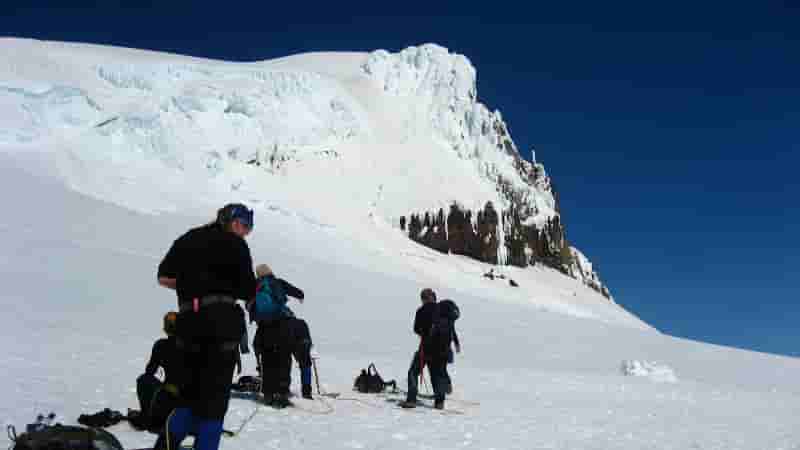
Discover the breathtaking glaciers, lagoons, and waterfalls of Europe's largest national park.
Jökulsárlón Glacier Lagoon
Marvel at the stunning, ever-changing icebergs floating in this iconic glacial lagoon.
Höfn Fishing Village
Traditional Icelandic fishing town with seafood restaurants
Hornafjörður Fjord
Picturesque fjord offering boat tours and wildlife watching.
Vatnajokull National Park
Vast park with glaciers, ice caves, and diverse wildlife.
Jokulsarlon Glacier Lagoon
A glacial lagoon with floating icebergs and boat tours.
Hornafjordur Fjord
A scenic fjord with bird watching and fishing opportunities.
Höfn Harbor
Fishing port known for fresh lobster
Hofn Village
Fishing village known for lobster and scenic harbor views.
Höfn Museum
Explore the rich history and culture of the Höfn region at this informative local museum.
Hoffell Hot Tubs
Geothermal hot pots with stunning glacier views.
Vatnajokull Glacier
Europe's largest glacier, perfect for ice cave tours.
🏘️ Neighborhoods
Höfn Town Center
The heart of the municipality, centered around the harbor. Contains most hotels, restaurants, shops, and the Höfn Museum. Compact and easily walkable.
Hafnarbraut & Heppugrandi
The main commercial streets running through Höfn. Lined with services, guesthouses, and the primary shopping outlets. Lively during the day.
Höfn Harbor Area
The working port where fishing boats dock. Offers fresh seafood restaurants with direct water views and a palpable maritime atmosphere.
Residential Höfn
The quiet, spread-out neighborhoods of single-family homes surrounding the compact center. Offers a more local, residential feel.
Rural Hornafjörður
The vast, sparsely populated areas outside Höfn, including farms and coastal stretches along the fjord. Characterized by stunning isolation and nature.
Vatnajökull National Park Gateway
Areas near the western edge of the municipality, closer to the park's visitor centers and glacier tongues. Often used as a base for park exploration.
🍽️ Local Cuisine
Hornafjörður's cuisine is dominated by the incredible freshness of the North Atlantic. The undisputed star is humar (Icelandic lobster, technically langoustine), celebrated locally and served grilled, in soups, or as a topping on pizza. Freshly caught fish like cod, haddock, and salmon are menu staples. Traditional Icelandic fare is also available, including kjötsúpa (lamb soup), plokkfiskur (fish stew), and skyr (a thick, protein-rich dairy product). Dining culture is casual and focused on quality ingredients. Must-try foods include a humar meal at a Höfn restaurant and a taste of local dairy or ice cream. The harbor area in Höfn has several excellent seafood restaurants. Price ranges are high, as in all of Iceland; a main course at a mid-range restaurant typically costs $35-$60. A budget-friendly option is to visit the local grocery store (Krónan or Nettó) for supplies. Tipping is not expected or customary. Reservations are recommended at popular restaurants during the summer season.
💡 Local Tips
🚗 Day Trip Ideas
Jökulsárlón Glacier Lagoon & Diamond Beach
Iceland's most famous glacial lagoon, dotted with icebergs. Across the road, icebergs wash ashore on the black sand Diamond Beach.
Skaftafell (Vatnajökull National Park)
A scenic oasis within the national park, offering hiking trails to waterfalls like Svartifoss and guided glacier walks on Falljökull.
Vestrahorn Mountain
A dramatic, jagged mountain ridge rising from a black sand beach and lagoons. A photographer's paradise, especially at sunrise or sunset.
Heinabergsjökull Glacier Lagoon
A quieter, less-visited glacial lagoon south of the Ring Road. Offers a more intimate experience with icebergs and glacier views.
Lónsöræfi Wilderness Area
A stunning, remote highland area east of Höfn known for colorful rhyolite mountains and challenging hiking trails (4x4 required).
Fjallsárlón Glacier Lagoon
A smaller, equally beautiful lagoon near Jökulsárlón, often with closer views of the glacier face and fewer crowds.
🛡️ Safety Tips
Hornafjörður is an exceptionally safe area with very low crime. The primary risks are environmental. Always check road and weather conditions at road.is and safetravel.is before driving, as conditions can change rapidly. Never approach glacier edges or ice caves without a certified guide due to collapse risk. Be extremely cautious near the ocean and glacial lagoon; waves are powerful and water is freezing. Respect all warning signs. There are no common scams targeting tourists. Emergency number is 112. Health recommendations include bringing any necessary prescription medications, as local pharmacies have limited stock. Tap water is safe to drink. The main health risks are exposure and accidents related to outdoor activities, so having travel insurance that covers adventure sports and medical evacuation is crucial.
💰 Budget Guide
Iceland is expensive, and Hornafjörður is no exception. A budget traveler camping or staying in hostel dorms, cooking their own meals, and using a shared rental car could manage on $80-$120 per day. A mid-range traveler staying in a guesthouse or standard hotel ($130-$200/night), eating one restaurant meal per day, and using a rental car should budget $200-$350 per day. A luxury traveler opting for high-end hotels, guided glacier tours, boat trips, and fine dining can easily spend $500+ per day. Accommodation averages $127/night. Food costs: grocery store meal $10-$15, casual lunch $25-$35, dinner entree $35-$60+. Transport: rental car $80-$150/day, fuel is expensive. Activities: glacier hike $100-$150, lagoon boat tour $50-$80, museum entry $10-$15. Money-saving tips: Travel in a group to split car costs, book accommodation well in advance, prioritize grocery stores for most meals, and fill water bottles for free. Many natural attractions are free to visit.